What happened
The World Meteorological Organization (WMO) says 2026 is likely to finish among the four warmest years in the observational record. Its climate update for COP31 attributes the outlook to the combined effect of a strong El Niño and a warming trend that has persisted for more than a decade.
For the period from January through September, global average temperature was 1.47°C above the pre-industrial reference level. WMO said the El Niño event could push temperatures higher over the remainder of the year.
The assessment draws on nine datasets. It finds that the 12 years up to and including 2026 all feature in the 12 warmest years recorded since observations began around 1850.
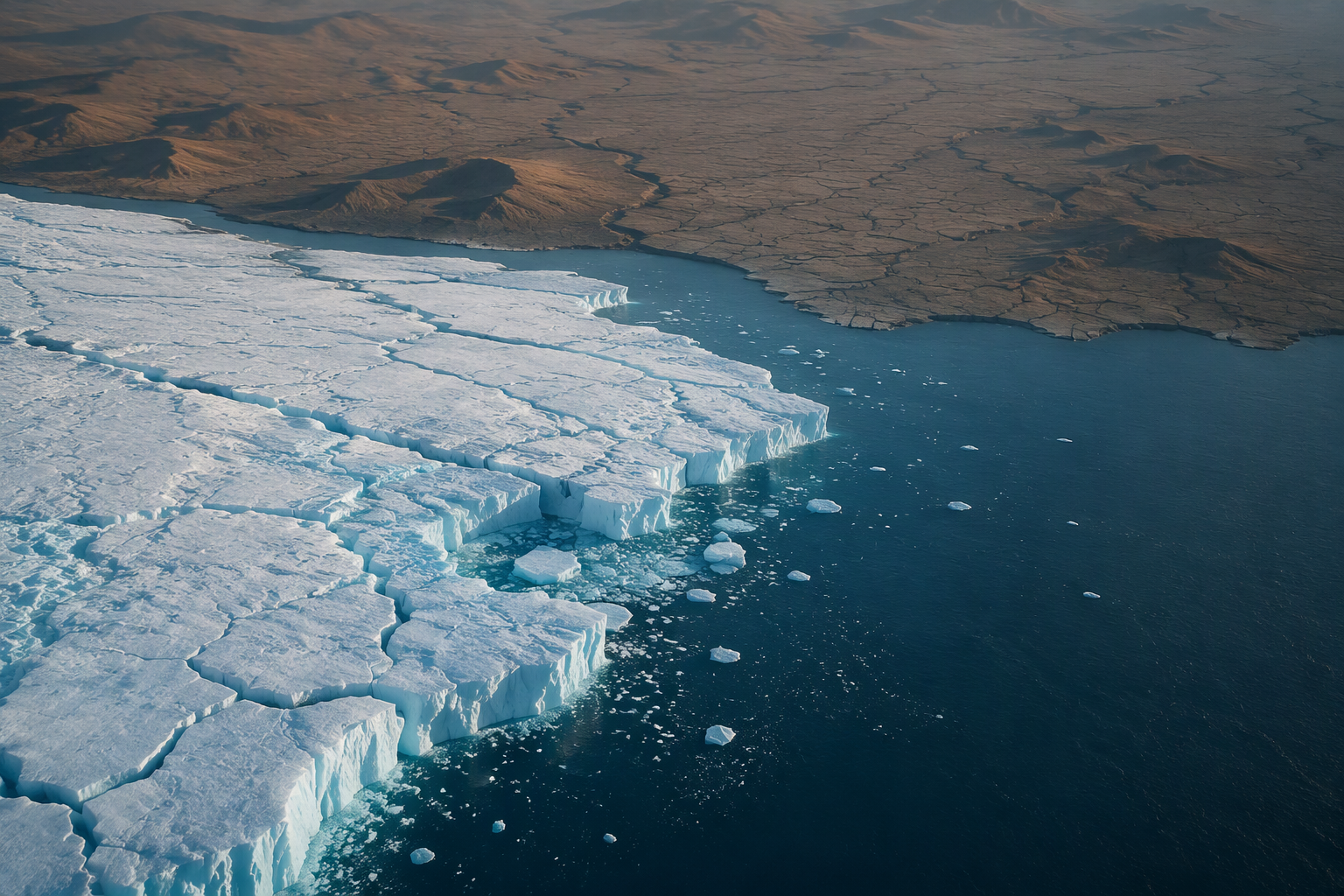
WMO also reported that the climate system is continuing to accumulate heat. Ocean temperatures have kept rising after reaching unprecedented levels in 2025, while global mean sea level has set a fresh record this year. The organisation links the sea-level increase to melting glaciers and ice sheets, as well as the expansion of warming seawater.
Why it matters
The update provides an evidence base for countries preparing for COP31 in Türkiye. It brings together temperature, ocean, ice-loss and sea-level indicators as negotiators consider climate action and its consequences.
The figures also add to the evidence of sustained warming rather than a single-year anomaly. El Niño can influence annual temperatures, but WMO’s assessment places its effect alongside a longer-term rise in global temperatures.
Separately, the EU’s Copernicus Climate Change Service has said it is almost certain that 2026 will be the second calendar year after 2024 to exceed 1.5°C above pre-industrial levels. That level is referenced in the 2015 Paris Agreement.
What to watch next
COP31 is due to take place in Türkiye from 9 to 20 November. Sustainability teams tracking the talks should follow how parties use the latest temperature and physical-climate indicators in discussions, and monitor subsequent WMO updates as final annual data become available.