What happened
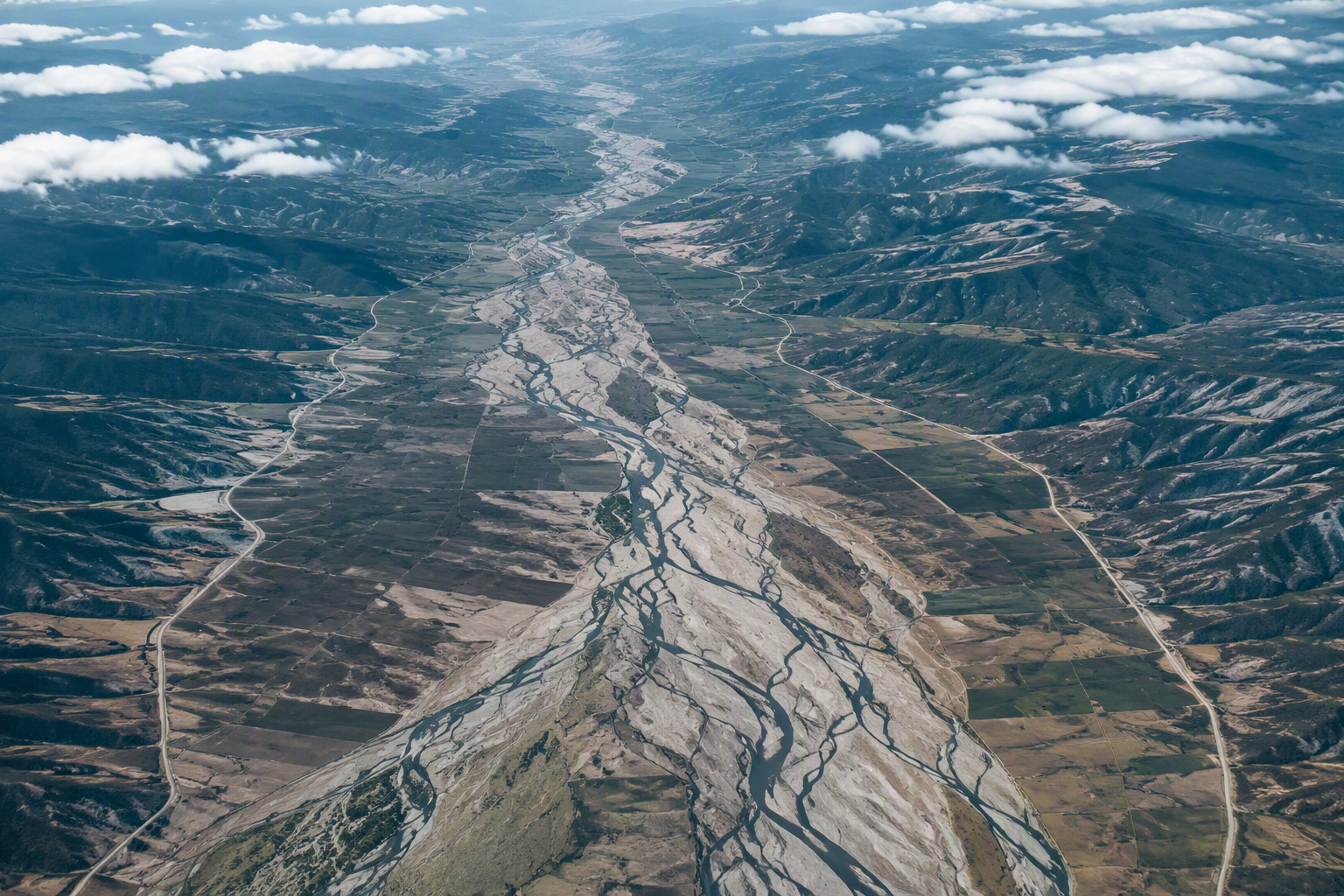
The World Meteorological Organization says 2025 was among the driest years in its 35-year record of global river observations. More than a third of river basins registered flows below normal, according to İklim Haber’s report on the agency’s State of Global Water Resources assessment.
The assessment also identifies a decline lasting about a decade in terrestrial water storage. This category includes water held in groundwater, lakes, vegetation, ice and snow. WMO Secretary-General Celeste Saulo said the global total has followed a downward trend since 2014–2016, characterising it as an enduring signal.
Glacier losses were widespread in every region for a fourth consecutive year, the report says. The global pattern was not uniform: some river basins, including basins in South Asia, experienced excess water. WMO links that contrast to water cycles becoming more irregular and harder to predict.
Why it matters
Water stored on land can moderate the effects of exceptionally dry periods. WMO warns that its continuing decline raises concerns about water resources, while the reported loss of glaciers points to longer-term water insecurity.
The findings also show why a global average cannot describe every basin. Low flows were widespread, but the reported excess in parts of South Asia demonstrates that water conditions varied sharply across regions during the same year.
For sustainability and water-risk teams, the immediate task is to treat the WMO assessment as a global signal and distinguish it from conditions in individual catchments. The supplied evidence does not set out country-specific measures, obligations or a policy timetable.
What to watch
WMO’s reported trend in terrestrial water storage is central to the next assessment: the decline has persisted since the middle of the previous decade. Future reporting will also need to track whether widespread glacier losses continue and how river-flow conditions differ between basins.
The 2025 findings combine low flows across much of the global river network with excess water in some locations. That divergence remains important when interpreting the wider water-resource picture.