What happened
The Women and Gender Constituency (WGC), a platform for organisations working on women’s rights and gender equality in UN climate talks, published its COP31 demands on 27 October. The summit is due to take place in Antalya.
Its agenda centres on putting the Belém Gender Action Plan into practice. Adopted at COP30, the plan runs from 2026 to 2034. WGC says the first test will be whether countries’ national assessments in 2027 go beyond procedural reporting. It wants those assessments to address health, violence against women and girls, unpaid care work, displacement, land rights, Indigenous peoples’ rights and the differing experiences of LGBTQI+ people.
The group also called for national gender and climate focal points to receive sufficient time and funding. It highlighted a leadership gap at COP30: women accounted for 43.6% of national delegates, but only 36.5% of delegation heads and deputy heads.
Why it matters
For Türkiye, the host country, WGC’s demands put participant safety at the centre of preparations for COP31. The group said actions against LGBTQI+, feminist and human-rights organisations since 12 September 2026, including raids, detention orders and digital restrictions, have raised concerns about safe participation.
It asked the COP31 Presidency, the chair of negotiations and the UN Climate Change secretariat to issue a public commitment protecting all participants, regardless of sexual orientation, gender identity or expression, sex characteristics or affiliations. It also wants safeguards against surveillance, detention, entry bans and retaliation before, during and after the conference.
On finance, WGC is seeking predictable public funding from developed countries that is additional, non-debt creating and delivered as grants. It proposes direct, flexible and multi-year support for women’s-rights, feminist and LGBTQI+ groups, local communities and environmental defenders. The group also wants transfers from UN climate funds for adaptation to rise to at least three times their current level by 2030.
Background
WGC argues that climate policy should not add to women’s unpaid care responsibilities. It treats care as part of climate infrastructure and calls for its recognition, redistribution and greater sharing by men. It also seeks inclusion of sexual and reproductive health and rights in climate action, alongside action against misinformation targeting climate science and gender equality.
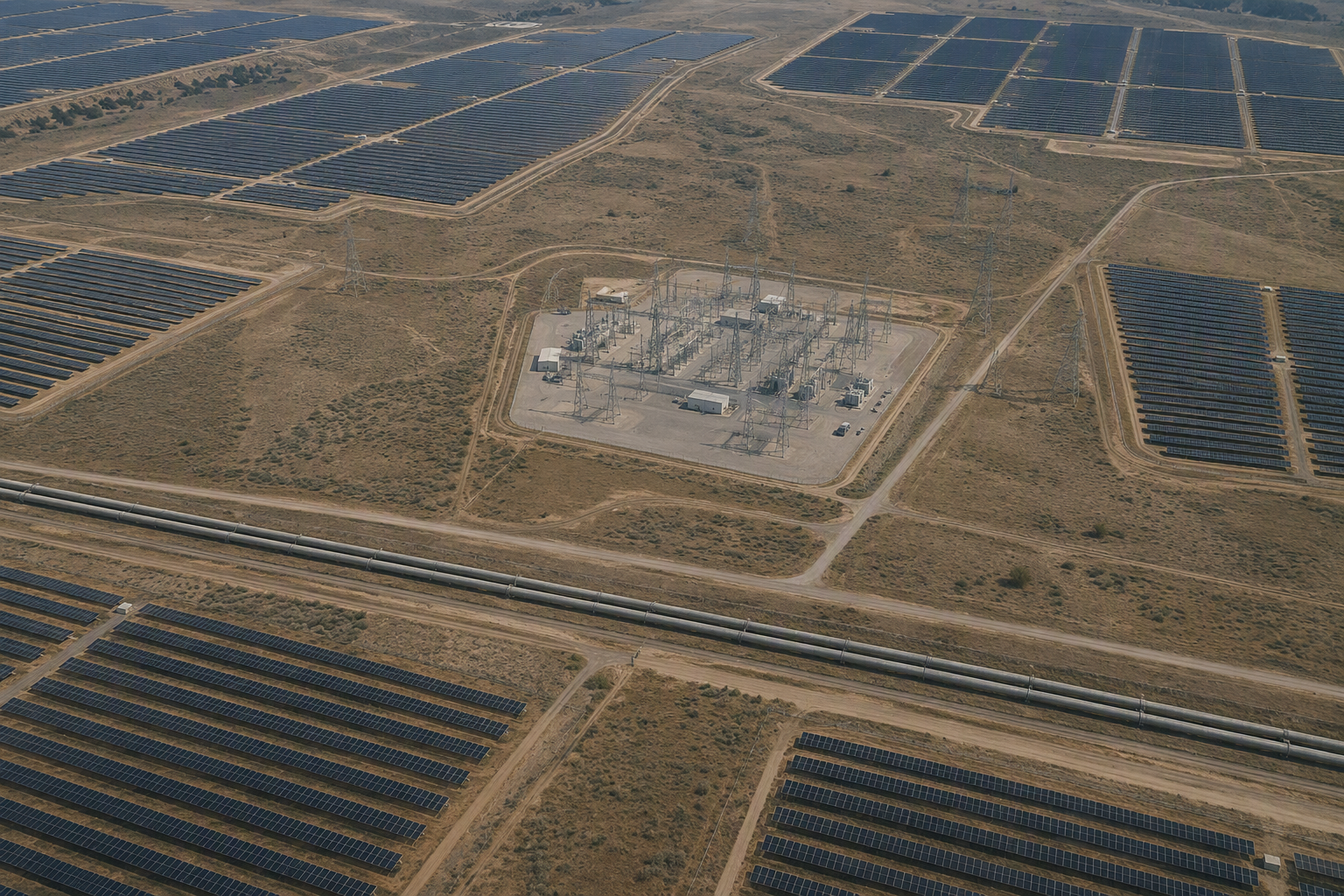
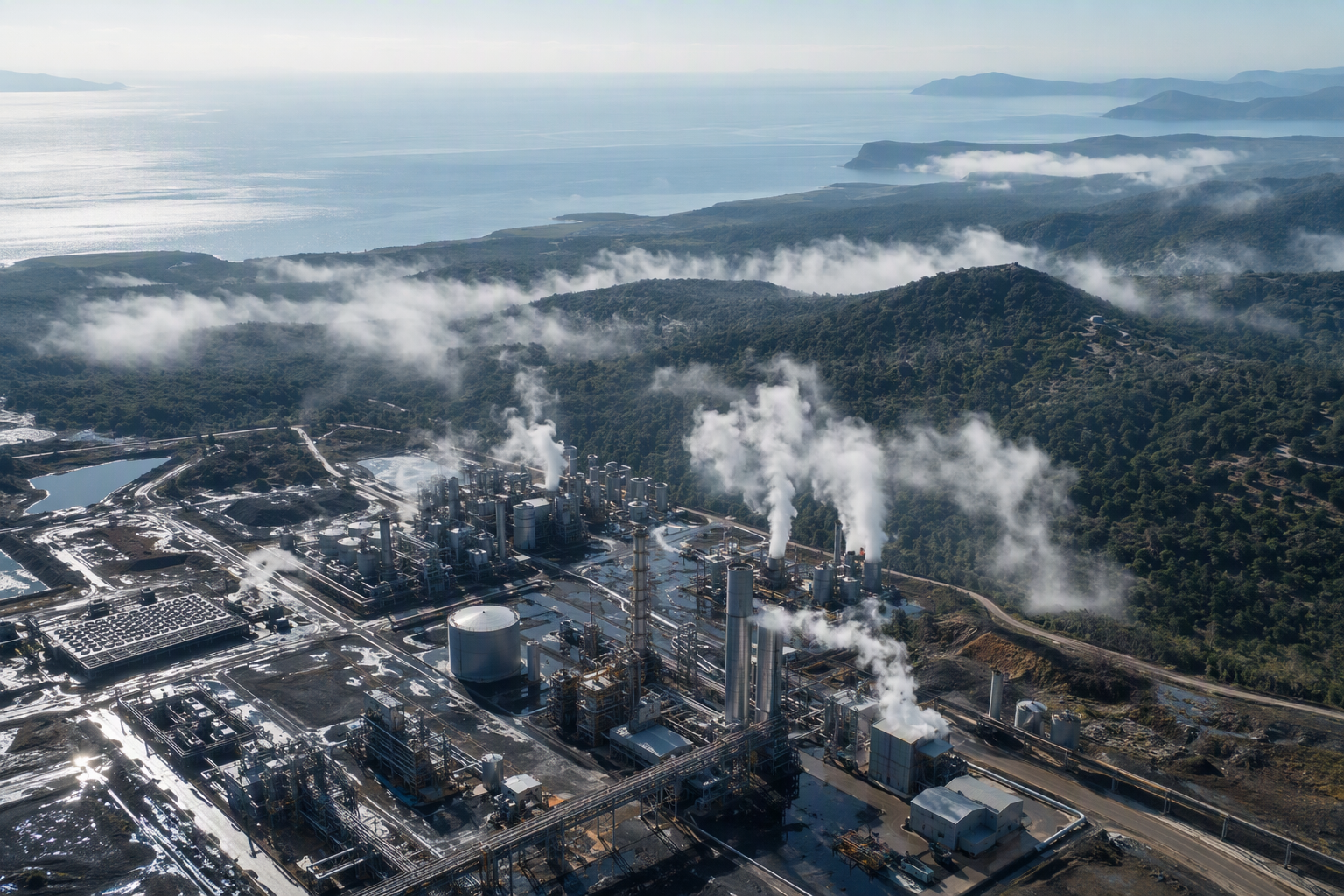
In a separate October 2026 paper, WGC opposed nuclear power as part of a just transition. It cited impacts of uranium mining on Indigenous and local communities, project costs and construction times, radioactive waste and decommissioning. The group instead favours public investment in renewable energy, energy efficiency, adaptation, resilient public services and the care economy.
What's next
WGC wants COP31 organisers to provide participation safeguards before the Antalya meeting. Countries are expected to submit national assessments in 2027 under the Belém Gender Action Plan. The constituency also calls for adaptation finance from UN climate funds to be at least tripled by 2030.