What happened
The European Commission has put forward a targeted change to the Nitrates Directive and opened a public feedback period lasting one month. The proposal would let Member States authorise certain liquid digestates made from livestock manure for use under the EU’s recovered-nitrogen-from-manure (RENURE) framework.
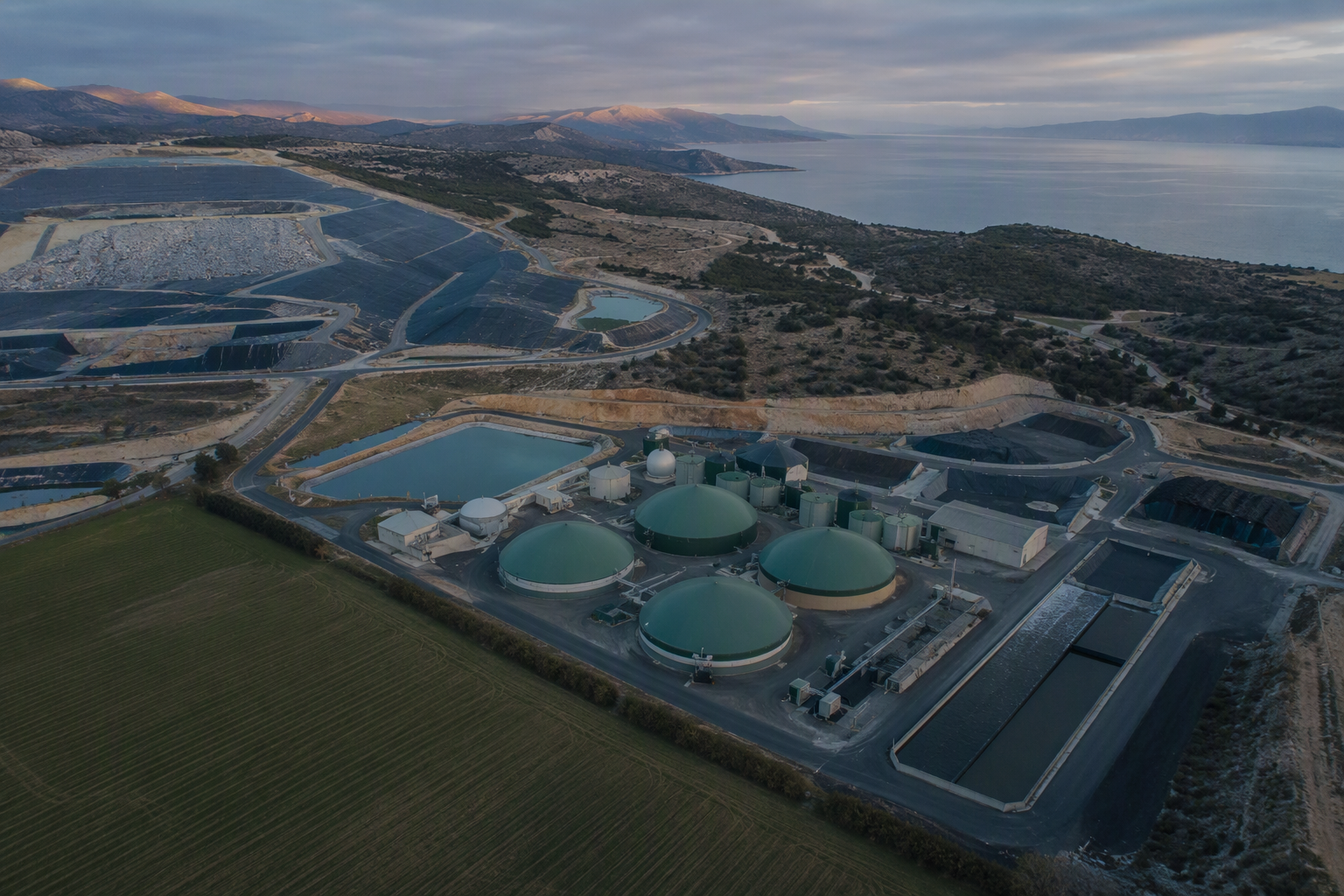
Digestate is the material remaining after organic feedstocks are digested to produce biogas or biomethane. The initiative concerns liquid fractions with substantial mineral nitrogen content and little organic material. Eligible products would need to satisfy RENURE requirements and associated environmental protections.
At present, the framework covers ammonium salts, mineral concentrates and struvite. The Commission proposes adding qualifying liquid digestates to that list.
Why it matters
The Nitrates Directive generally caps livestock-manure application, including processed manure, at 170 kg of nitrogen per hectare each year. The proposed flexibility could allow farmers to replace some synthetic nitrogen fertiliser with nutrients recovered from manure, while retaining conditions intended to manage environmental risks.
The Commission says the measure could be particularly relevant in livestock regions that have manure available for biogas production. It links the proposal to lower farm input costs, reduced reliance on imported and energy-intensive fertilisers, and more circular use of nutrients. Biogas and biomethane projects could also gain an additional route for returning processed nutrients to farmland.
Background
RENURE rules introduced in March 2026 created an option for Member States to exempt certain manure-derived nitrogen materials because of their similarity to chemical fertilisers. The EU Fertiliser Action Plan, adopted in May 2026, and the Livestock Strategy, adopted in July 2026, flagged a possible extension to liquid digestates.
What's next
After the consultation closes, Member States in the Nitrates Committee must endorse the draft by qualified majority. If they do so, the European Parliament and the Council will have a three-month scrutiny period. The Commission could then adopt the amendment formally. The Fertiliser Action Plan envisages practical measures ahead of the growing season beginning in spring 2027.