What happened
Türkiye’s Carbon Market Board has agreed the broad rules for the pilot phase of the Türkiye Emissions Trading System (TR ETS). The pilot will run across 2026 and 2027.
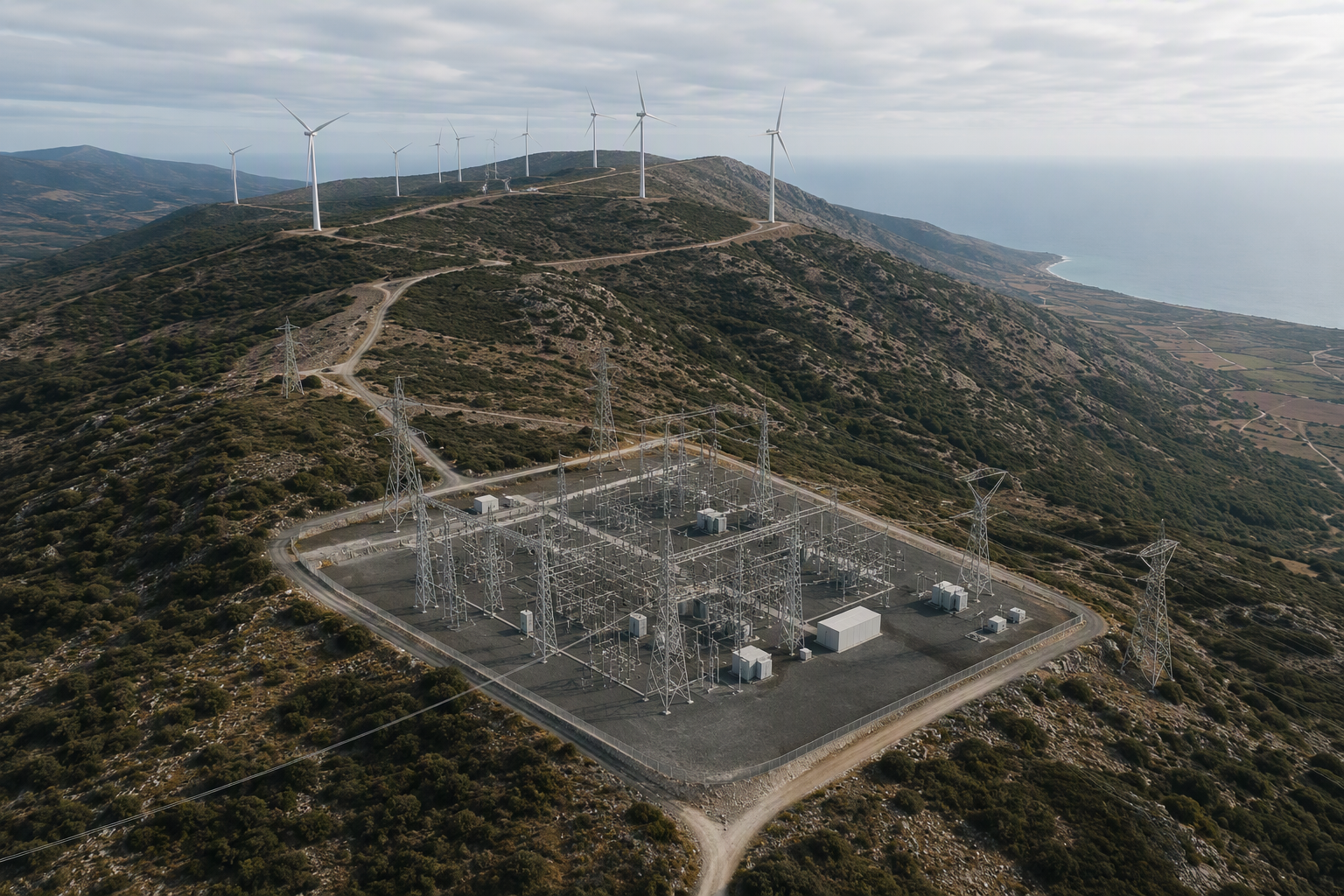
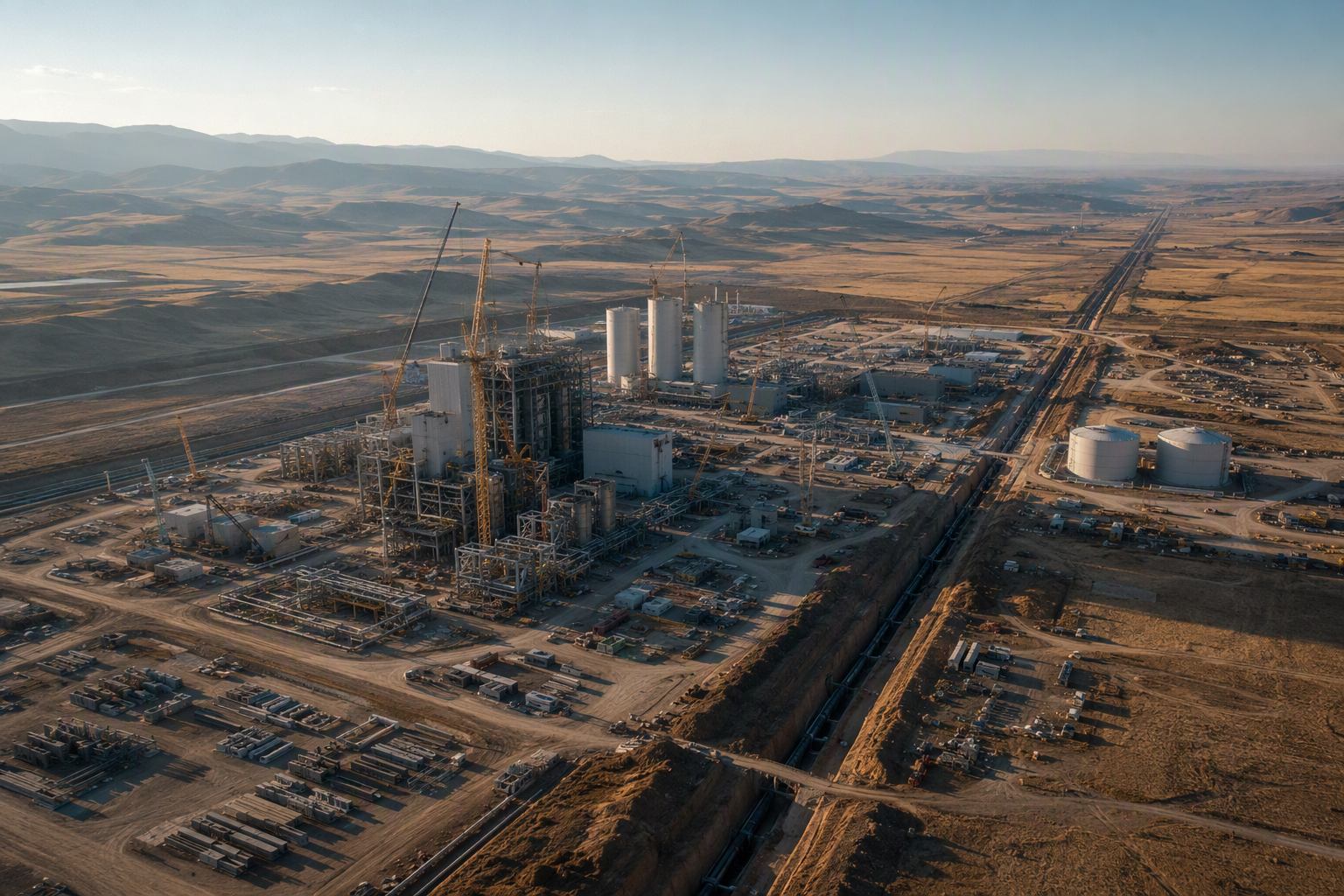
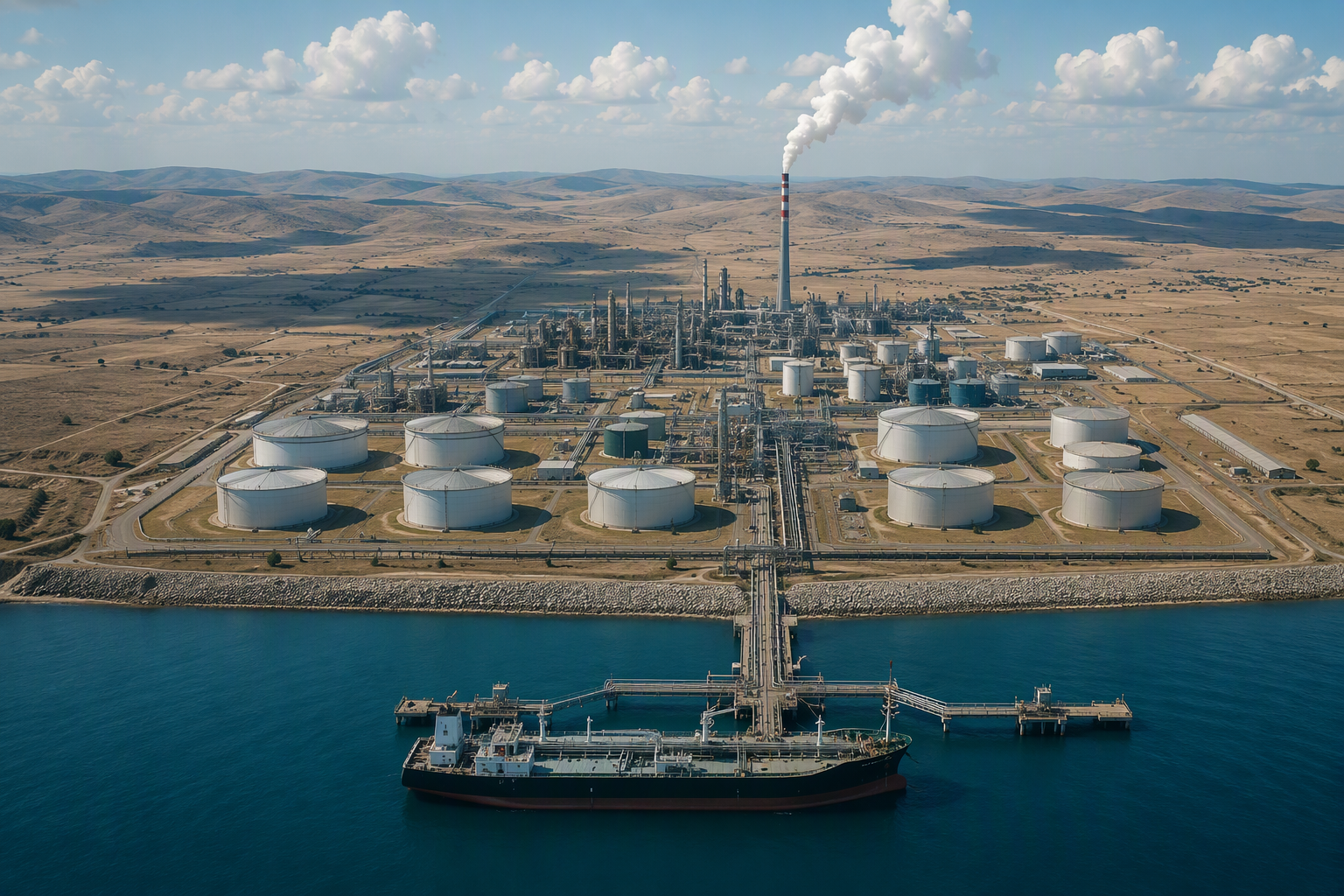
The scheme will cover Category B and C facilities, as defined in the relevant regulation, that emit more than 50,000 tonnes of CO2 equivalent each year. It applies to power generation, cement, iron and steel, aluminium, and fertiliser activities.
Participants will face reporting requirements in 2026. A pricing mechanism is due to follow in 2027. The pilot’s free allocation level will be 100% for each sector, calculated through a benchmarking method.
For power plants, benchmarks will be calculated individually using each plant’s weighted average emissions intensity over the preceding five years. For the other covered sectors, the benchmark will use the weighted average across all facilities.
Why it matters
Companies operating covered facilities in Türkiye will need to prepare emissions data and reporting processes ahead of the 2026 requirement. The 2027 introduction of pricing makes the pilot relevant to businesses’ future carbon-cost planning.
The decision also defines facilities outside the pilot. This includes sites producing electricity for their own use from fossil fuels, biomass or waste, where electricity generation is not their main activity. Pressure-control, compressor and station assets operated by natural gas and crude-oil pipeline organisations are also excluded.
What's next
The Climate Change Directorate is expected to prepare and publish the detailed procedures and principles for the pilot. Covered facilities will report in 2026, with the pricing element planned for 2027.