What happened
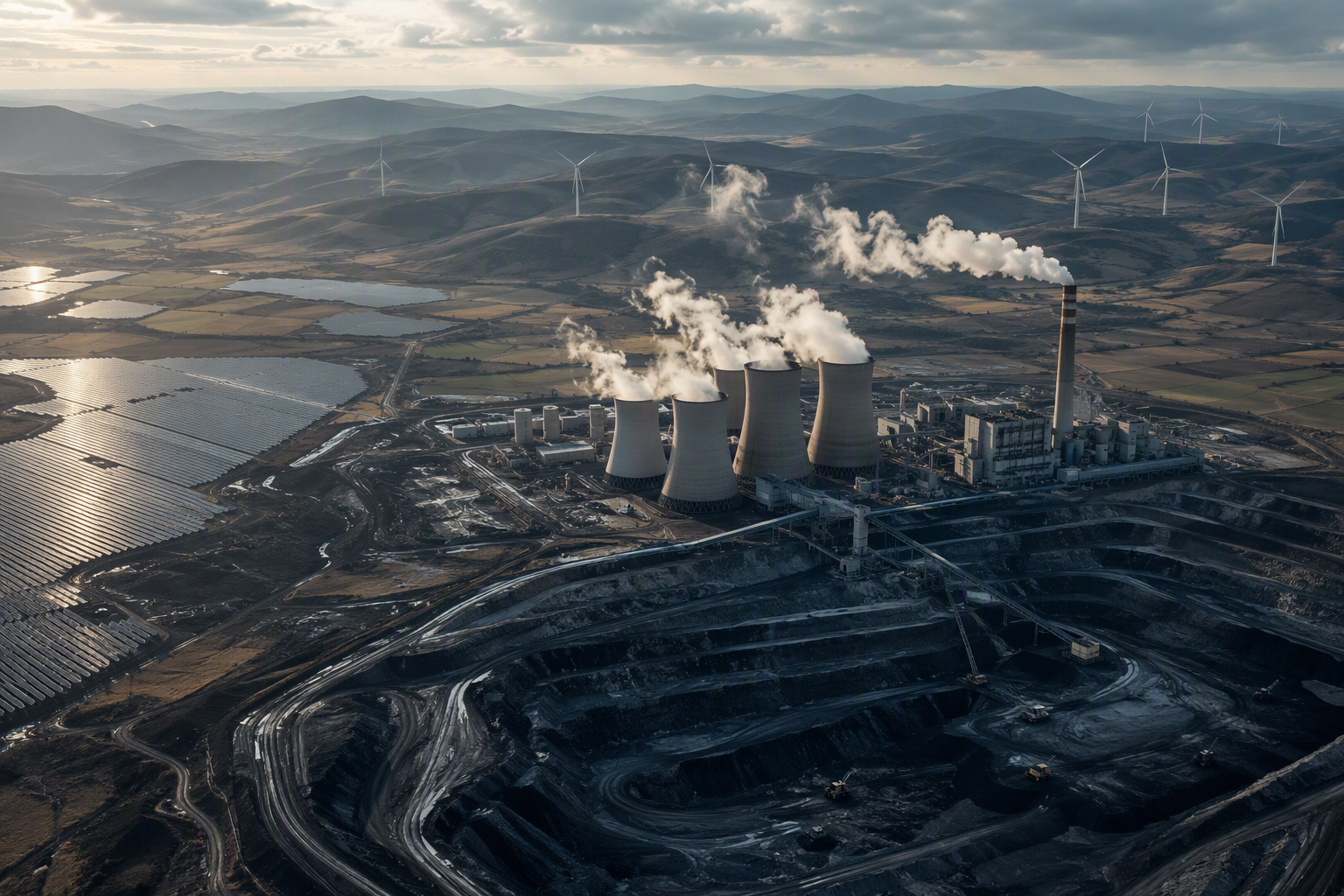
The Trump administration has announced plans to withdraw greenhouse-gas limits covering coal- and gas-fired power plants in the United States, according to İklim Haber.
The Environmental Protection Agency (EPA) said it would suspend its authority under the Clean Air Act to regulate greenhouse-gas emissions from power plants. The agency estimates that the policy would result in an additional 123 million metric tonnes of carbon emissions over the next decade. It also projects $370 million in direct compliance-cost savings for plant operators.
EPA administrator Lee Zeldin announced the withdrawal of the 2024 carbon-pollution standards at a G20 meeting in Houston, the report said.
Why it matters
The change would remove a federal constraint on emissions from US fossil-fuel power generation. The report says electricity generation produces around one quarter of US greenhouse-gas emissions. If it were treated as a country, the sector would rank as the world’s fifth-largest carbon emitter, behind China, the United States, India and Russia.
For power-plant operators, the immediate effect identified by EPA is lower direct compliance spending. The material does not identify a direct change to regulatory obligations for companies in Türkiye or the EU.
Background
The report says the administration had earlier revoked the EPA’s 2009 finding that greenhouse gases threaten public health and the environment. That finding had provided a basis for federal controls on climate-related emissions.
What's next
No implementation date or further regulatory timetable is given in the material. The announced action would remove the 2024 standards and limit the scope for a future administration to control emissions from these plants, according to the report.