What happened
Thirty-six pupils progressing from Year 10 to Year 11 completed a six-day environmental learning programme in Bursa, held from 31 August to 5 September 2026. The participants attended state high schools and lived in the Osmangazi, Nilüfer and Yıldırım districts.
The initiative, Learning Nature’s Language-3, received support through TÜBİTAK’s 4004 Nature Education and Science Schools programme. It was led by Emine Poyraz, a biology teacher and specialist biologist at Bursa Girls’ High School. Nurhayat Dalkıran, a professor in Bursa Uludağ University’s biology department, was the project specialist.
Rather than relying solely on classroom teaching, the programme used observation, investigation and hands-on work at field locations. Sessions addressed ecosystems; living and non-living components; ecological balance; biological and ecological diversity; landform development; waste; wildlife; forest fires; pollution; climate change; heritage; national parks; and protected areas.
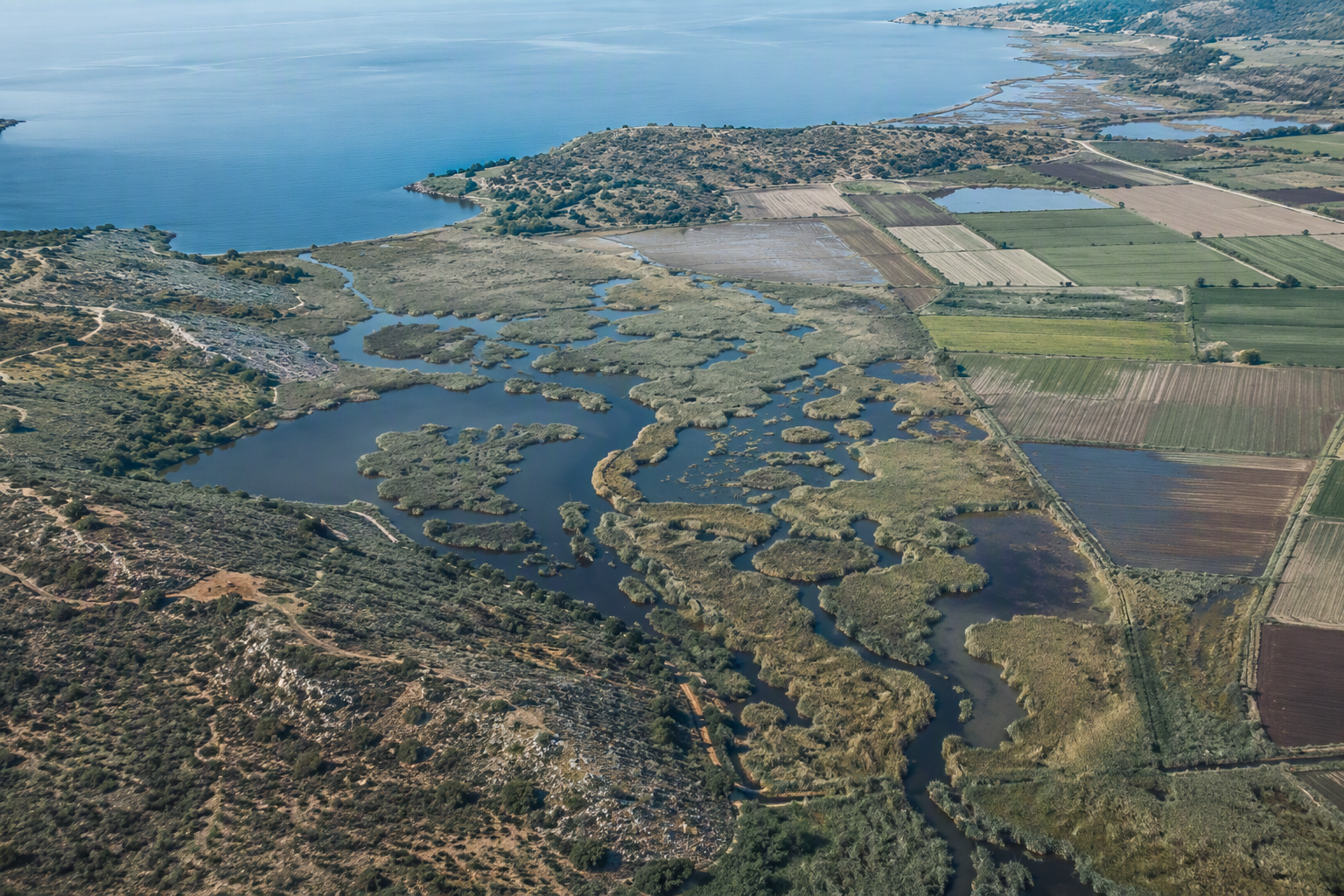
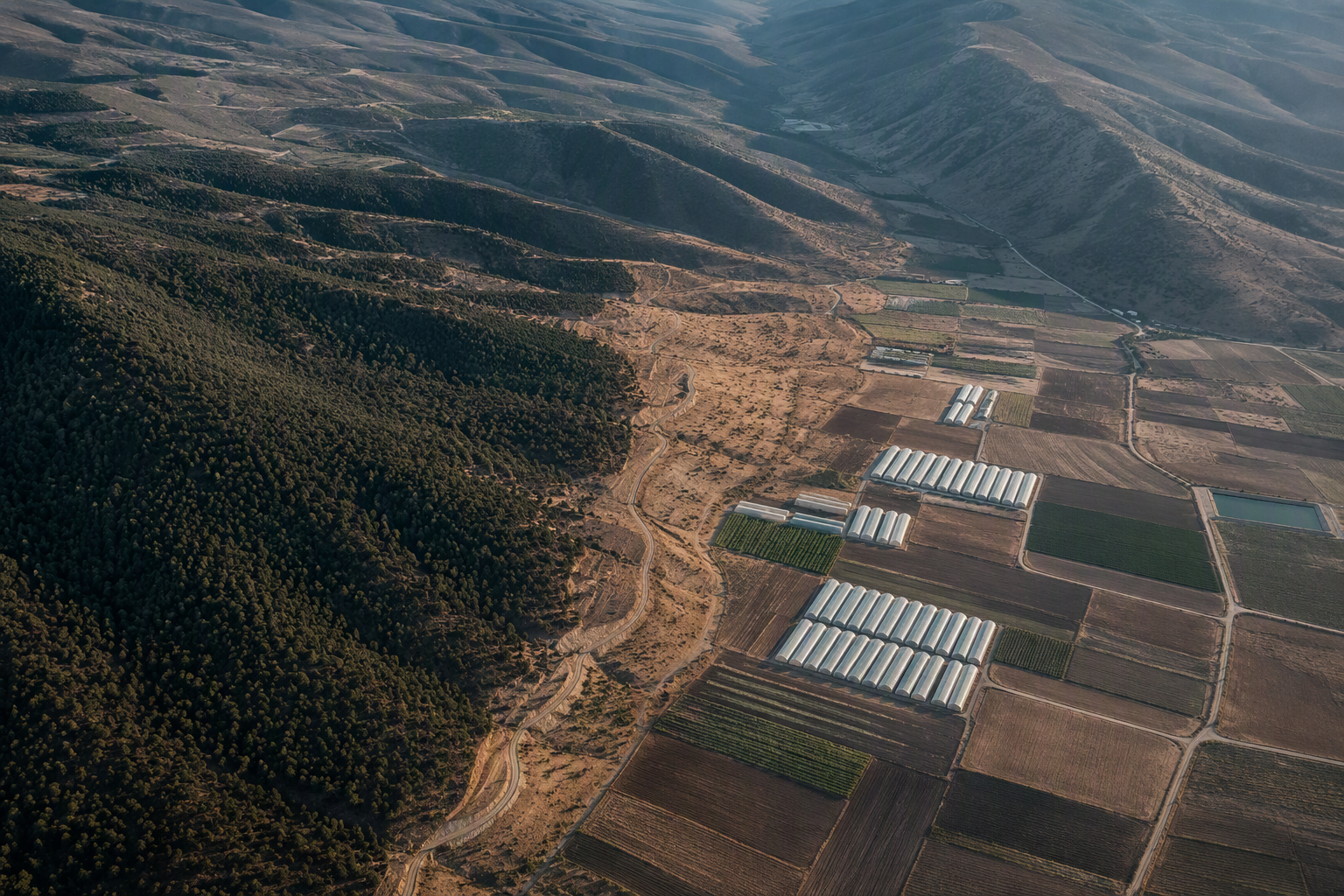
Sites used for the training included Uludağ National Park, Lake Uluabat, the Karacabey floodplain forests, the Nilüfer River and Aktopraklık Mound Archaeopark. According to EkoIQ, the project was intended to strengthen scientific observation, environmental awareness and participants’ connection with nature.
Why it matters
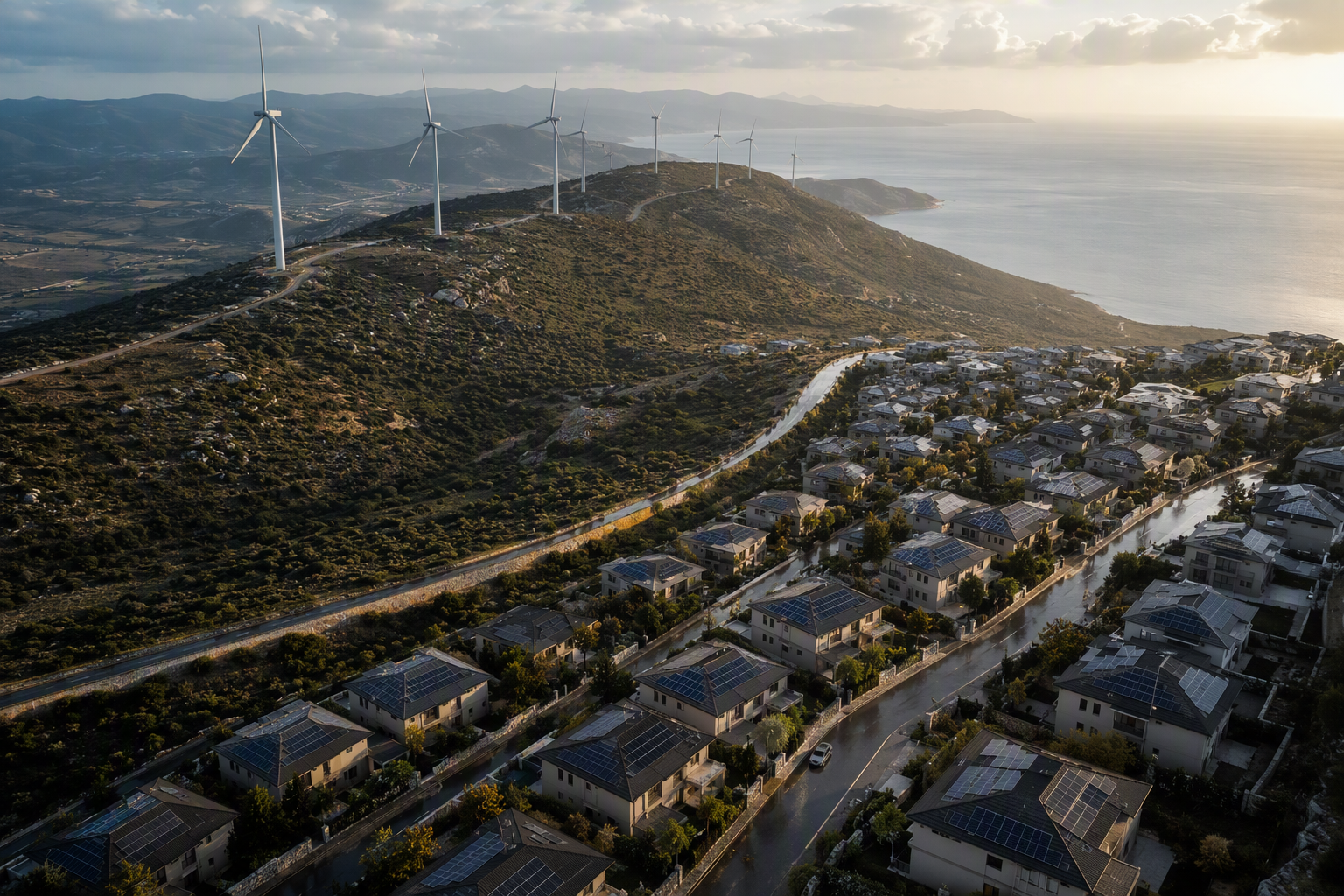
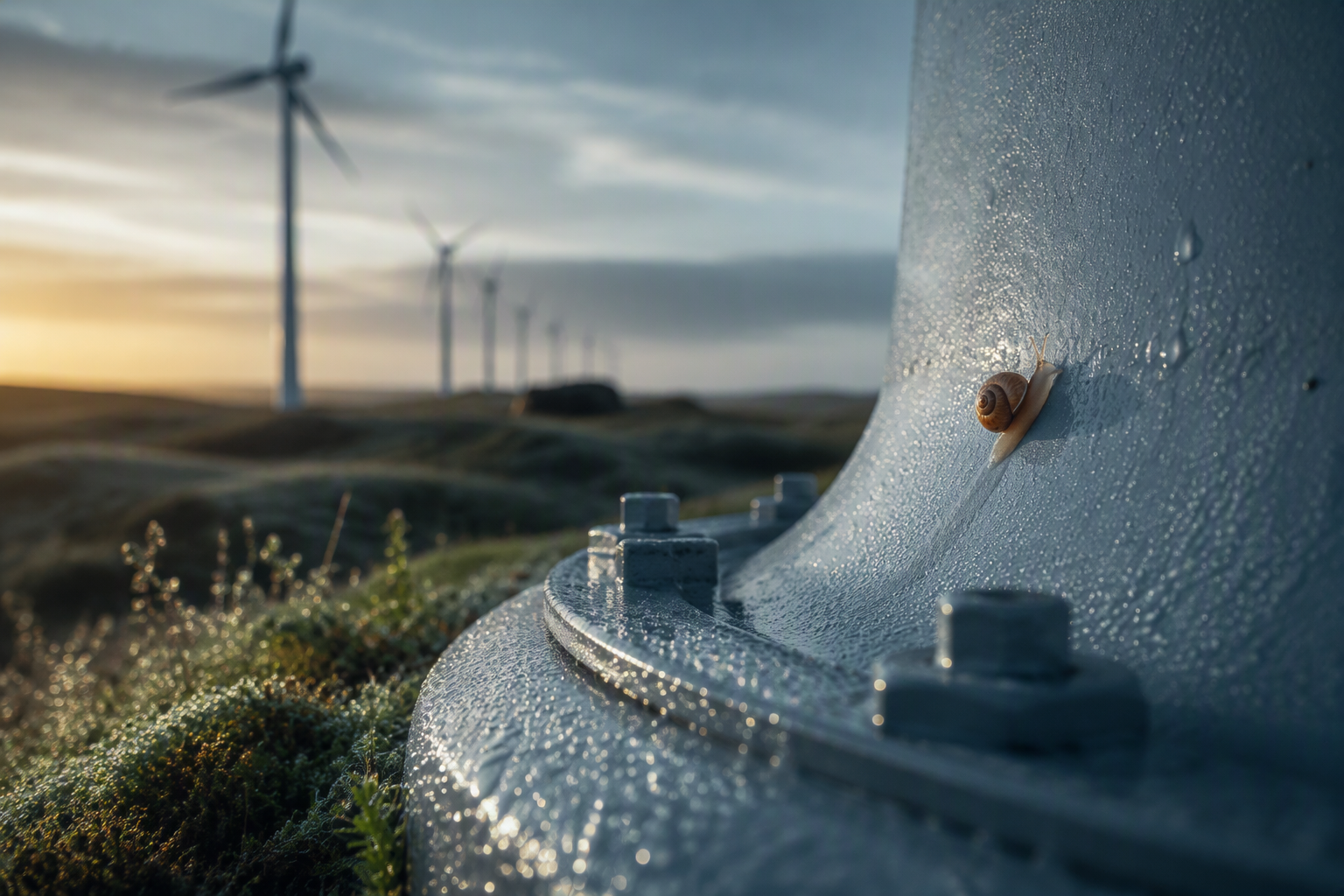
The programme linked nature education with an operating renewable-energy asset. On its fifth day, pupils undertook practical training at the Harmanlık Wind Power Plant in Karacabey, hosted by Borusan EnBW Enerji.
Harmanlık has 16 wind turbines and installed capacity of 55.2 MW. The company’s facility team and a specialist biologist explained wind-energy operating principles, environmental procedures at the site and sustainability practices.
The wind-farm visit also included sessions on renewable energy’s role in the energy transition, the need to plan renewable projects in ways that account for environmental conditions, and approaches to biodiversity protection. This placed the programme’s wider focus on conservation and resource use alongside an example of energy infrastructure in operation.
What happens next
The six-day project ended with a review of its outputs and a certificate ceremony. Its stated purpose included helping pupils understand the conservation of nature and the sustainable use of natural resources for future generations.