What happened
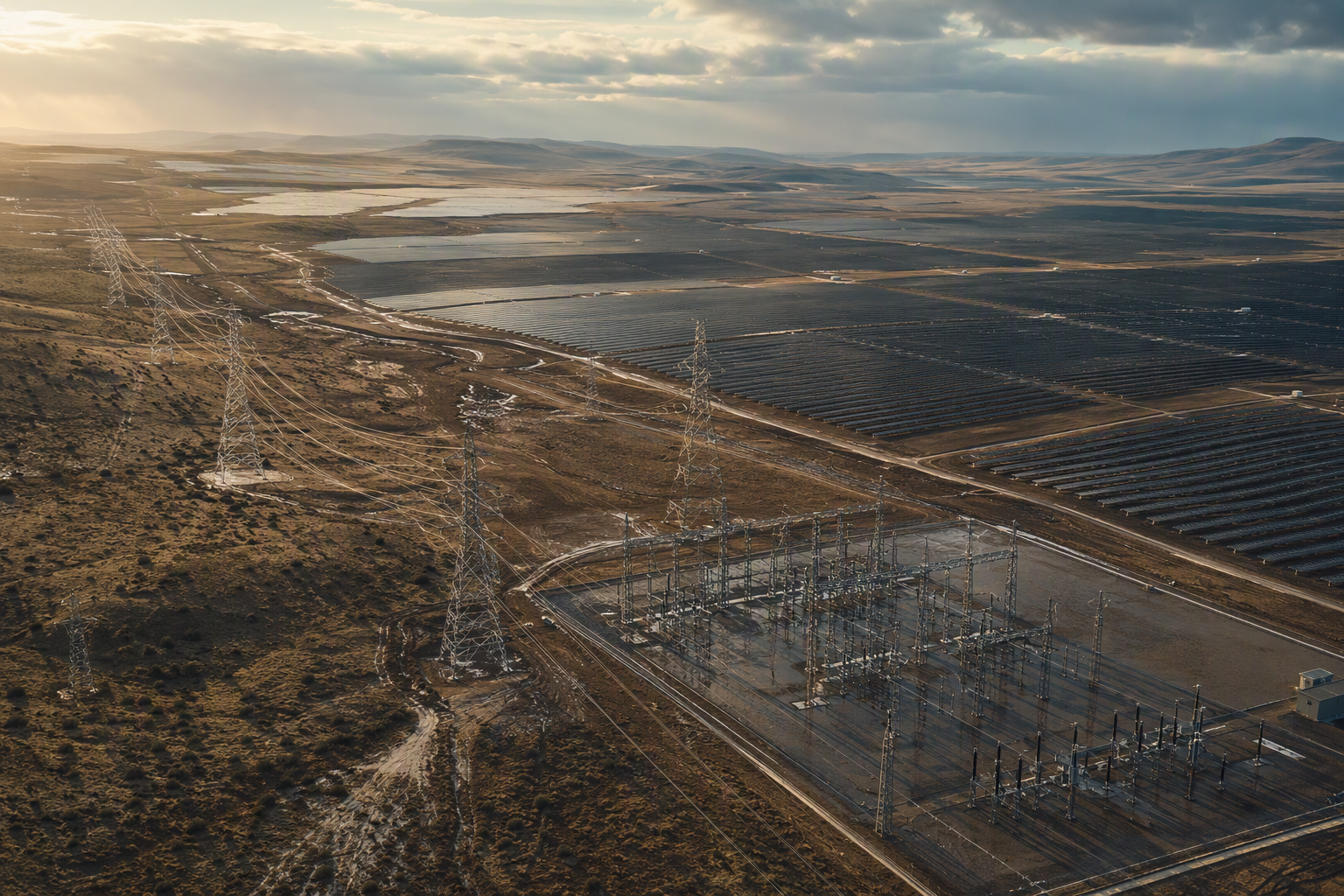
European Union leaders reiterated that the energy transition remains their preferred route to stronger resilience, greater strategic autonomy and lower energy costs. Their conclusions highlighted expanded renewable and low-carbon energy, faster electrification, upgraded electricity networks, additional energy storage and improved efficiency.
The European Council linked these measures to reducing dependence on fossil-fuel markets. It also said that the geopolitical situation was putting pressure on supply chains, energy security and fuel and power prices. Any coordinated EU response should account for national circumstances and protect the functioning of the Single Market, the leaders said.
Among the measures welcomed by leaders were a proposed postponement of some duties under the Methane Regulation, an intended extension of temporary state-aid arrangements for industrial sectors most exposed to high energy prices, and planned work on refinery capacity and efficiency. The Commission also intends to explore voluntary aggregation of energy demand.
The Council asked the Commission to consider and propose any further action needed to address high energy prices in the near term, taking account of price differences between member states.
Why it matters
The conclusions place power-system investment and electrification at the centre of the EU’s response to volatile fossil-fuel costs. Businesses exposed to high electricity and fuel prices could be affected by prospective short-term support measures and by changes to the state-aid framework.
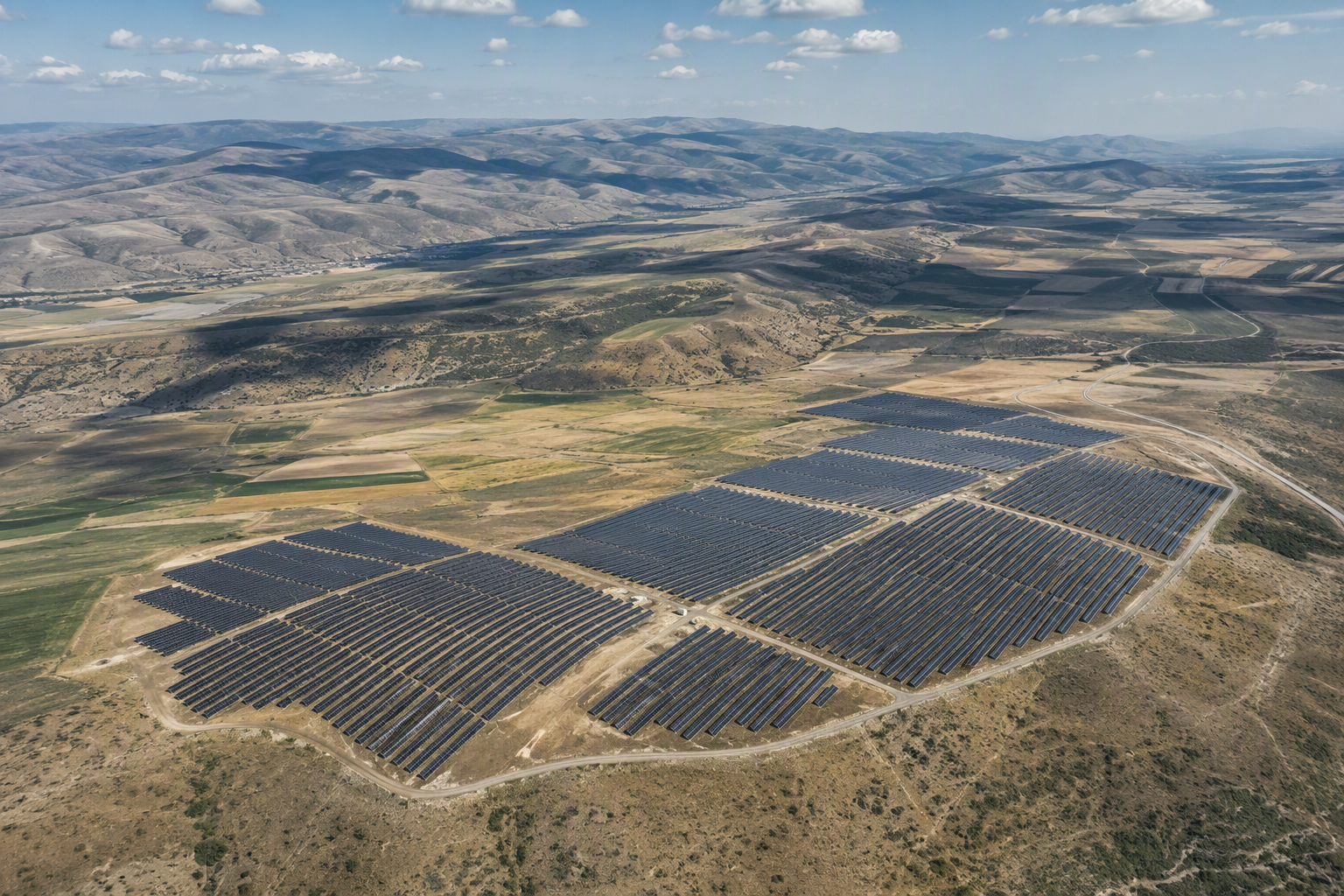
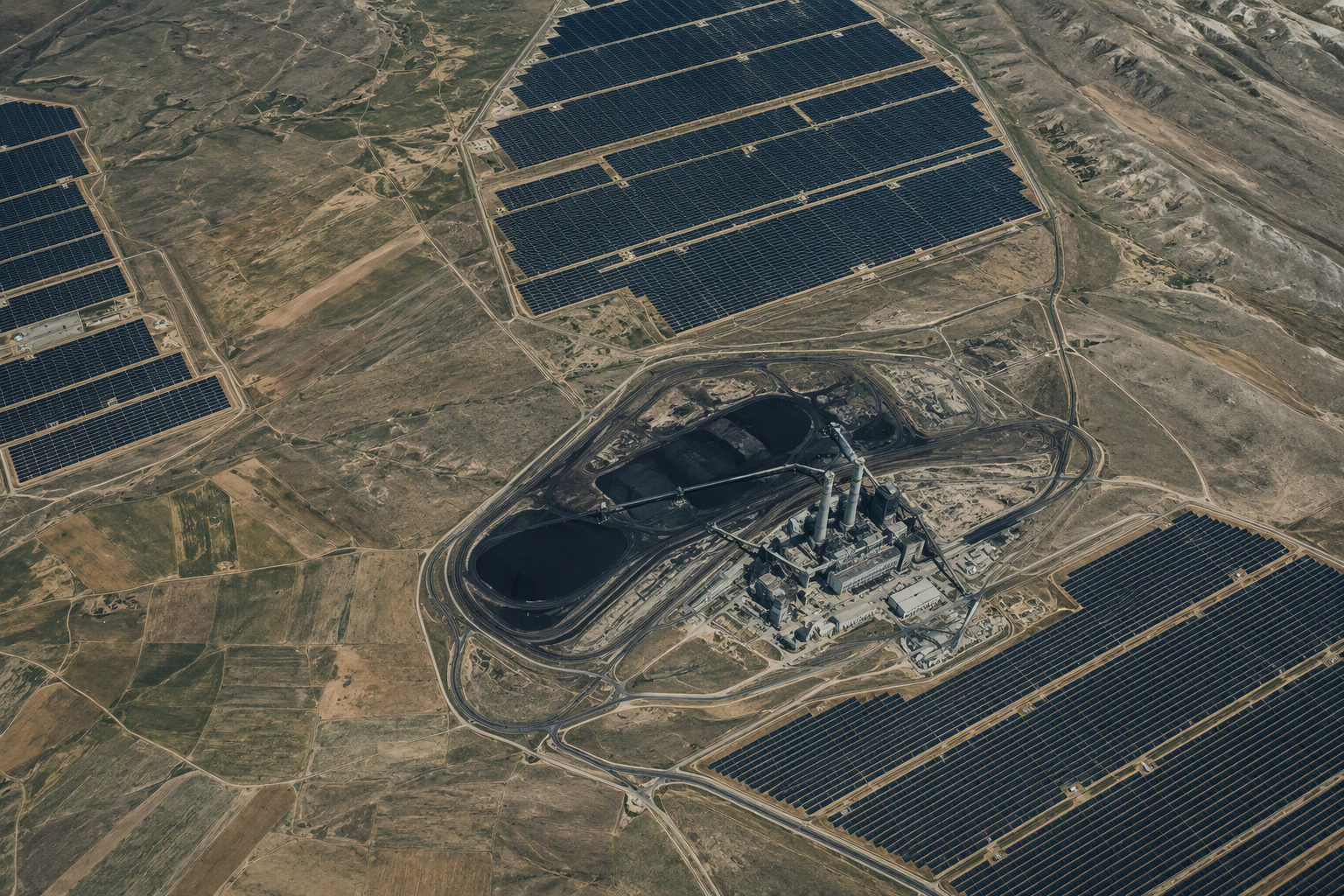
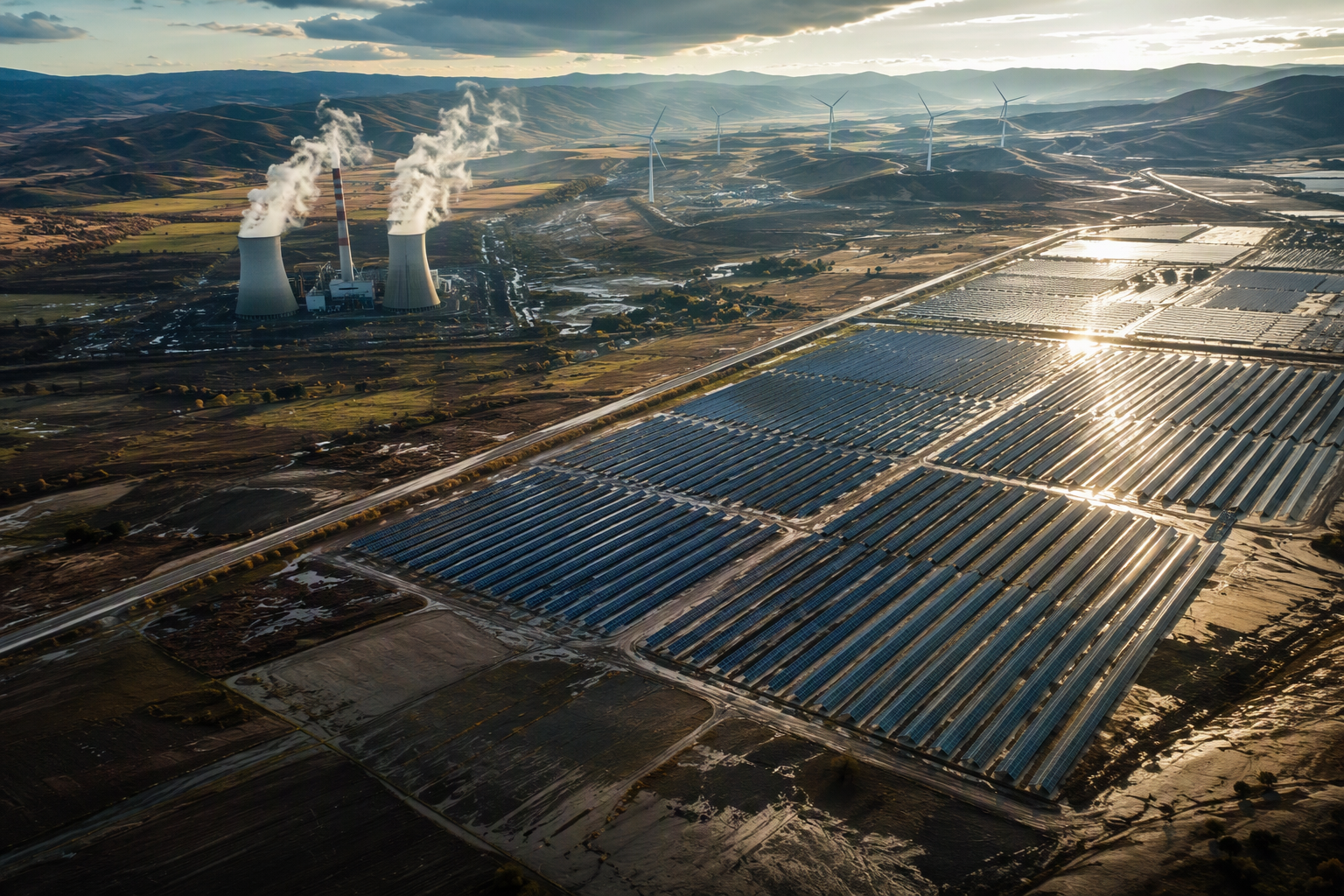
SolarPower Europe said solar generation had reduced the EU’s need for gas used in electricity production. The industry body estimated that solar installations avoided more than €40 billion of gas imports from 1 March to 15 October 2026. It called for an urgent EU package that would increase electrification, solar deployment and self-consumption, alongside faster deployment of large-scale battery storage.
According to the association, battery systems can reduce the frequency with which fossil gas sets electricity prices and allow lower-cost renewable electricity to be used when demand requires it.
What's next
The Commission is expected to assess possible additional near-term measures on energy prices. SolarPower Europe has called for measures capable of producing results within the next year. Its €40 billion-plus estimate covers the period from 1 March to 15 October 2026.