What happened
Türkiye has introduced a common system for local climate planning across its 81 provinces. The framework follows a regulation on Local Climate Change Action Plans and Provincial Climate Change Coordination Boards, which entered into force after publication in the Official Gazette on 4 August.
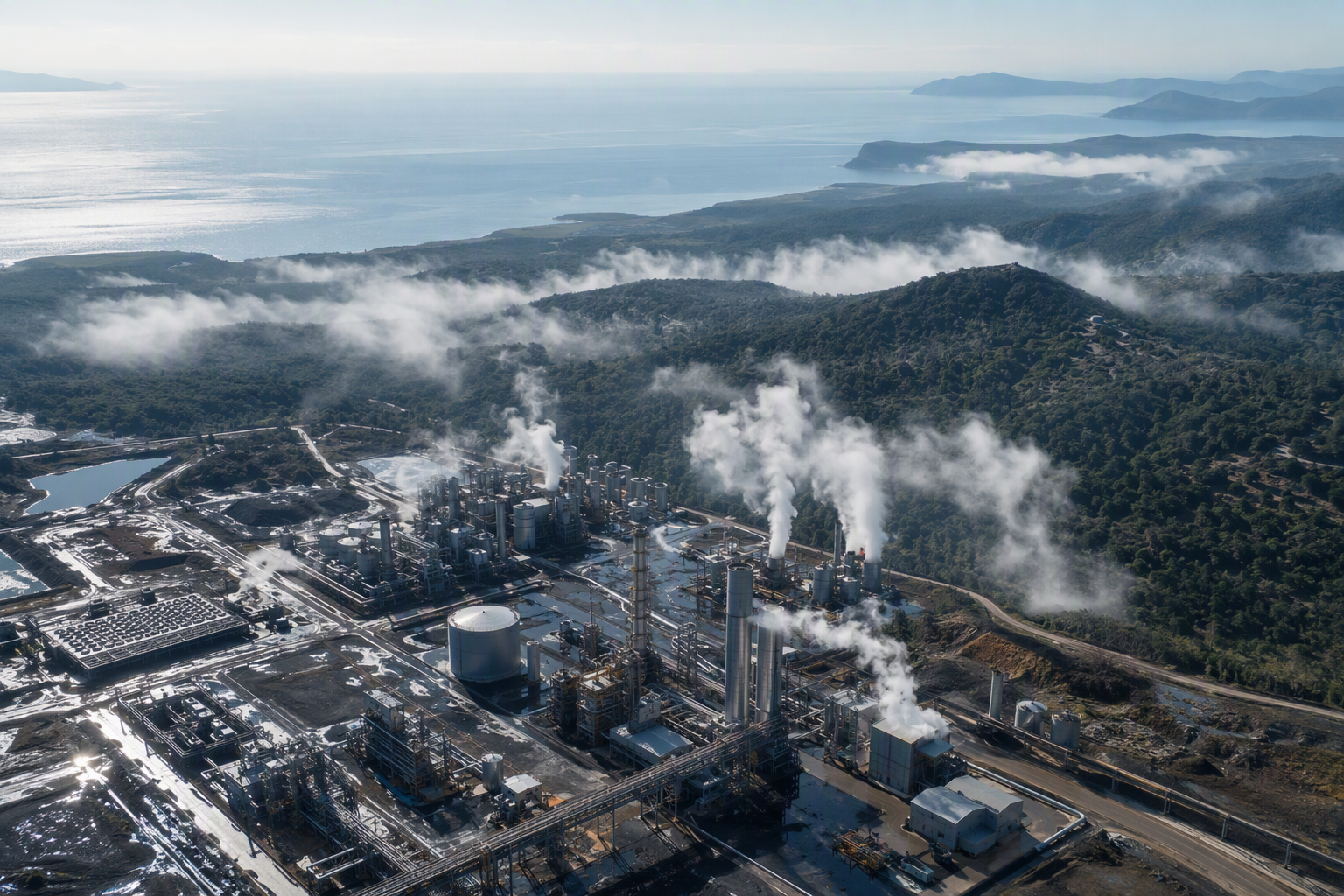
Each province will identify its climate risks and greenhouse-gas emissions, then set reduction goals and define actions. The plans will assess emissions from buildings, transport, industry, waste and other activities, alongside energy use. They will also specify expected budgets and possible sources of finance.
Provincial plans can cover measures such as improving energy performance in municipal buildings, rooftop solar installations, electric municipal vehicles, public-transport investment and energy recovery from waste. Their expected energy savings and emissions reductions are intended to be measurable.
Why it matters
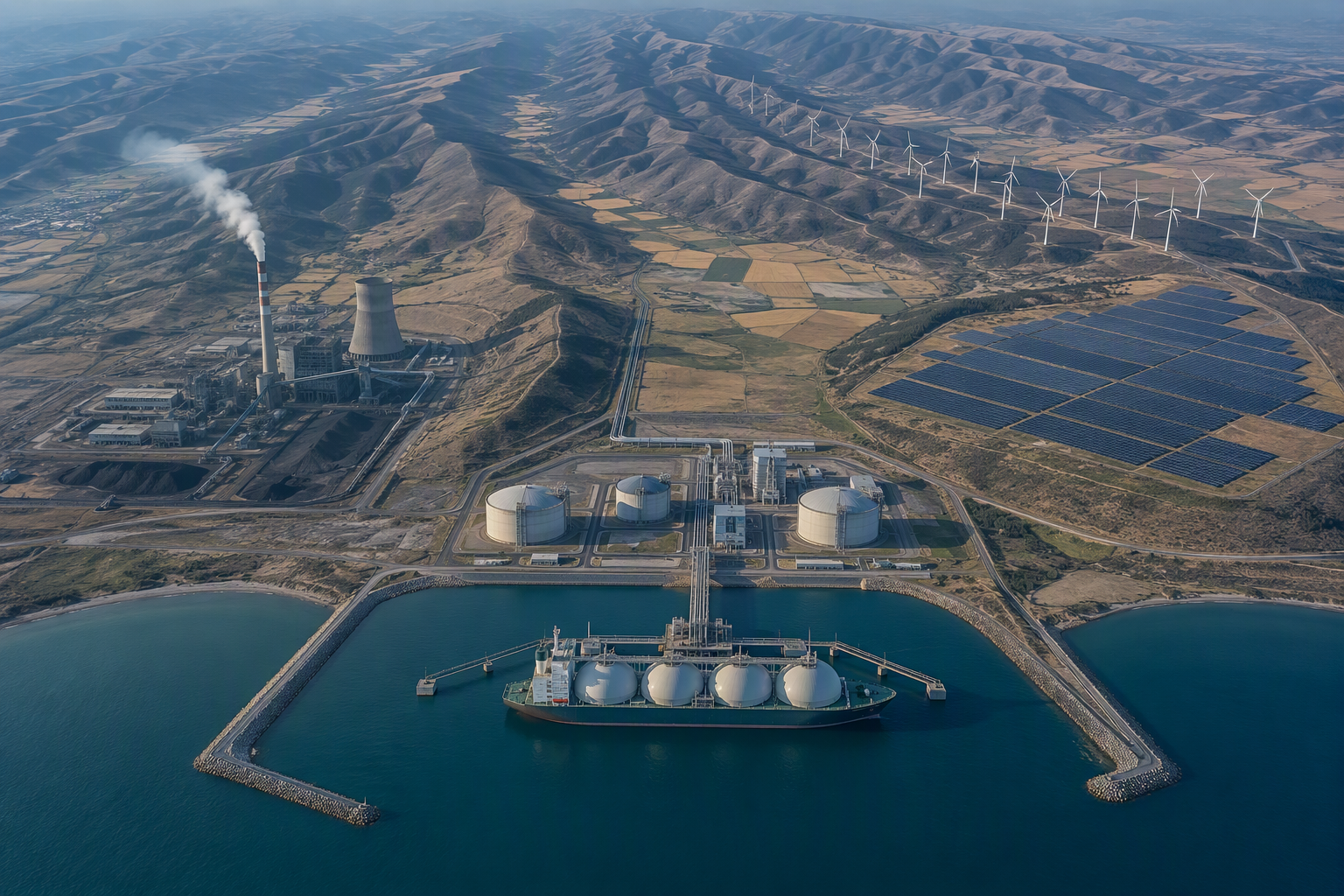
The approach brings climate action into provincial decisions on energy, transport, industry, agriculture, water management, urban development and investment. For businesses, this creates a more structured local planning process in sectors that contribute to provincial emissions, particularly energy use, industry and transport.
The regulation does not create a new funding fund. However, it is intended to help municipalities prepare technically developed project portfolios for national support schemes, İller Bankası resources, international financial institutions, climate funds and grant programmes. This may shape the local pipeline for energy-efficiency, renewable-energy, electric-transport and lower-carbon infrastructure projects.
What's next
Governors will chair Provincial Climate Change Coordination Boards, with municipalities, public bodies, universities, professional organisations and other stakeholders participating. These boards must be formed by 31 December 2026.
The first action plans, covering 2028 to 2032, must be adopted by the boards by 31 December 2027. In 2026, provinces are expected to establish teams and prepare data. During 2027, they will develop emissions inventories and risk assessments, then set actions, responsible bodies, budgets and financing options.
Municipalities and relevant institutions will enter information into the web-based E-YİDEP system. They must report actions taken and results from the previous year by 30 June each year. Boards will review progress annually, while annual assessment reports must be entered into the system by 31 October. Plans will be updated every five years.