What happened
Canada’s National Research Council (NRC) has developed printed battery prototypes containing more than 90% compostable material, according to Enerji Günlüğü. The reported prototype uses zinc- and manganese-based battery components.
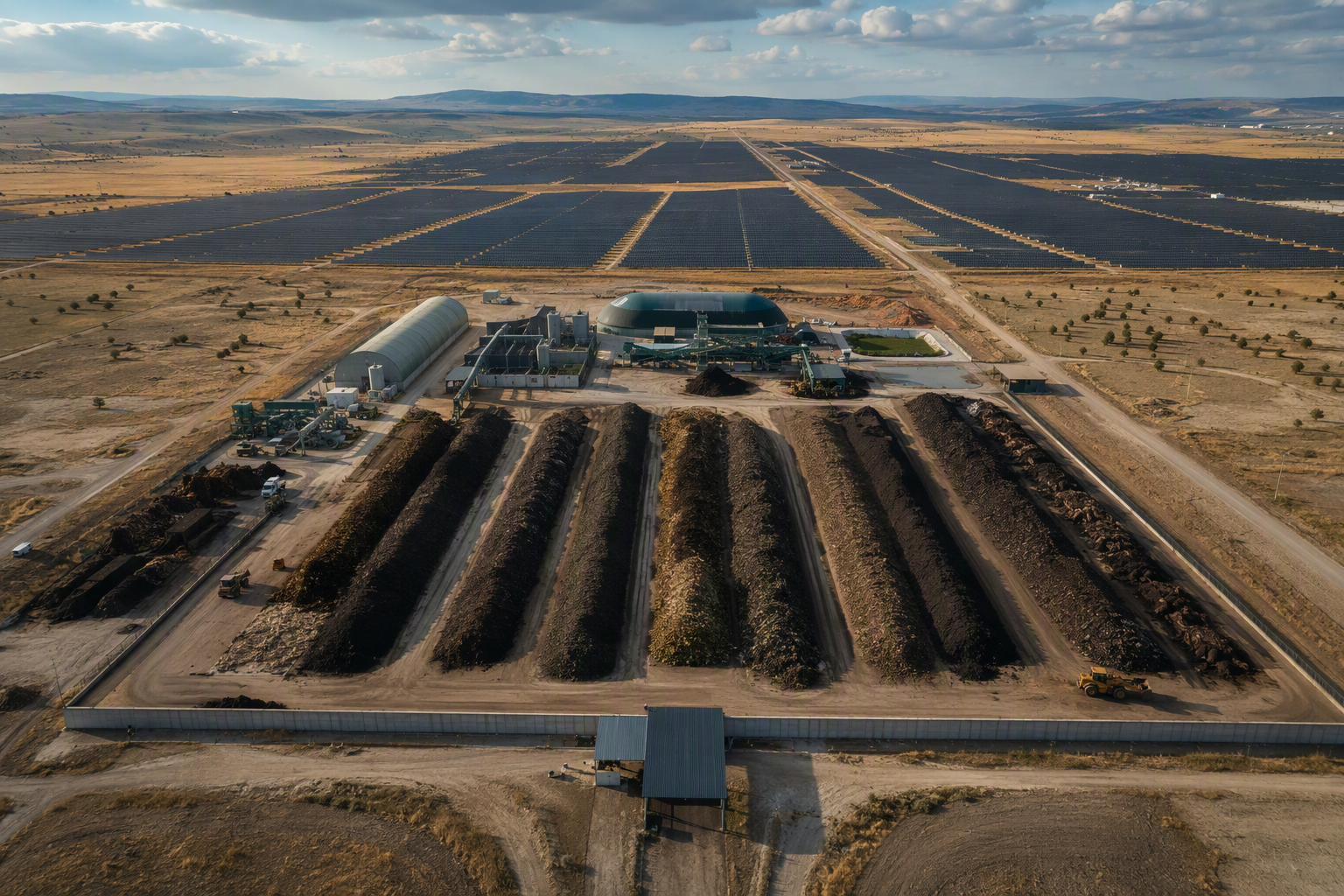
The publication refers to an academic study published in 2026 that assessed the device under industrial composting conditions. It reports that the battery fully broke down in around two months when those conditions were suitable.
The work brings the end-of-life stage into the design discussion for a battery prototype. Rather than considering electricity storage alone, the reported research also examines what happens to the product after use.
Enerji Günlüğü also highlights research in Canada and at the University of British Columbia on natural materials for energy-storage technologies. Researchers are investigating carbon-based materials produced from lignin, as well as potential battery uses for cellulose. Both substances occur in trees.
Why it matters
Battery materials, device design and treatment after use are connected issues. The reported composting result suggests that researchers are exploring a route for batteries intended to decompose in an industrial composting environment, rather than leaving their end-of-life pathway unaddressed.
For sustainability and product teams, the key point is that compostability is tied to a specified disposal setting. The evidence describes degradation under suitable industrial composting conditions; it does not establish performance in other waste-management systems or environments.
The research also draws attention to biological feedstocks, including lignin and cellulose, as subjects of battery-related investigation. These materials are being considered as inputs to energy-storage technologies, alongside work on the zinc-manganese printed prototype.
What to watch next
The supplied report does not identify commercial deployment, production volumes, a market launch date or regulatory approval for the prototypes. It also does not provide details on battery performance beyond the reported chemistry, compostable share and composting result.
Readers assessing the development should therefore distinguish between a research prototype and a commercial product. Further evidence would be needed on performance, manufacturing, collection and treatment requirements before drawing conclusions about wider application.