What happened
The 17th Conference of the Parties to the UN Convention on Biological Diversity, known as COP17, will take place in Yerevan, Armenia, from 19 to 30 October. The meeting is the first major assessment of progress under the Kunming-Montreal Global Biodiversity Framework, agreed in 2022.
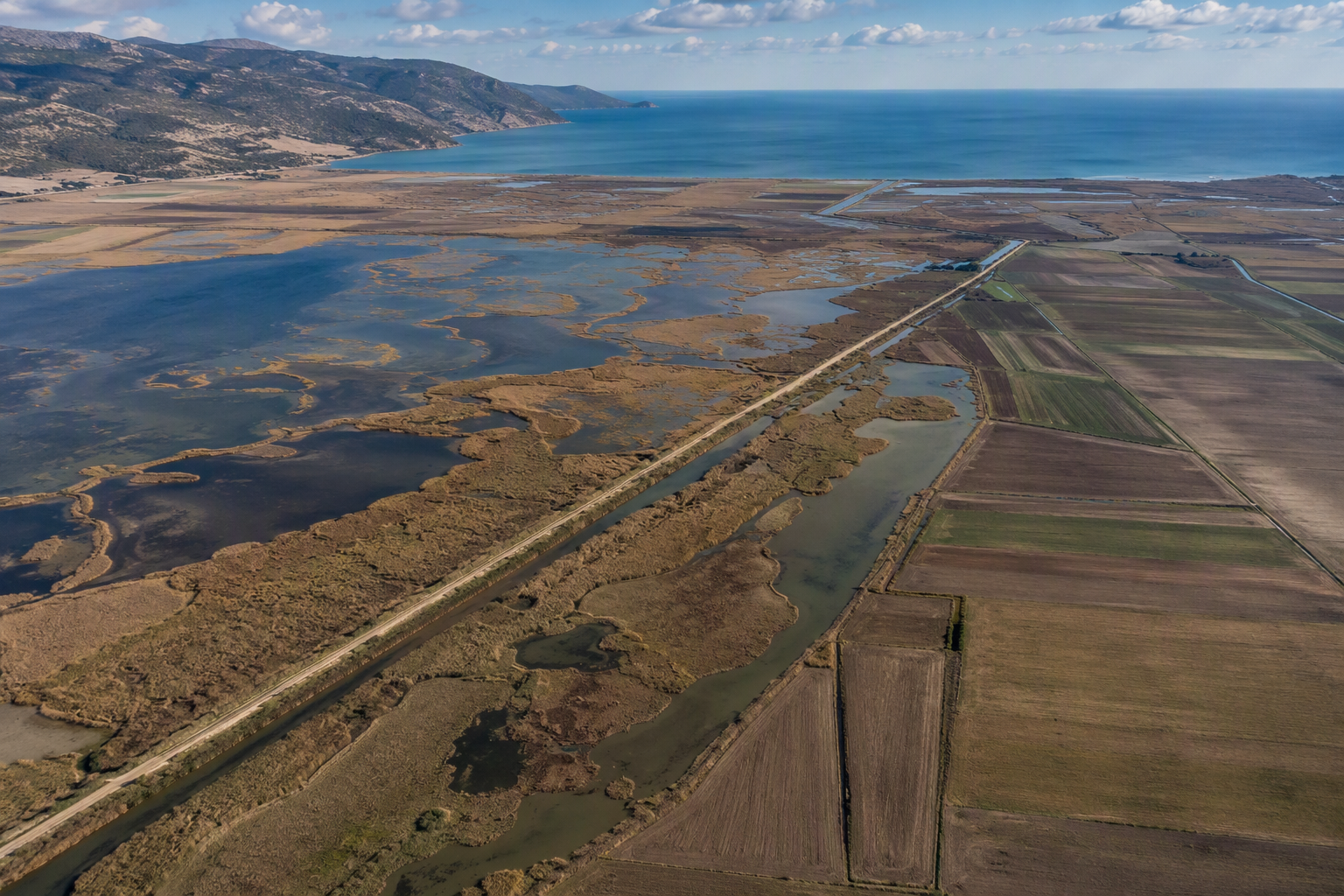
The framework includes a goal to protect 30% of land and seas by 2030. Global terrestrial protection may reach an estimated 27.5% by then. However, a draft UN report says countries are not progressing in a way that would deliver 22 of the framework’s 23 targets.
Finance will be central to the talks. Participants have yet to settle contributions towards a US$30 billion public-finance target. The wider aim is to mobilise at least US$200 billion each year for biodiversity by 2030.
Why it matters
The negotiations will also consider how governments should change subsidies that damage nature. The framework seeks reform of US$500 billion a year in such support. Governments are being asked to identify the most damaging measures and prepare a two-year timetable for redirecting them.
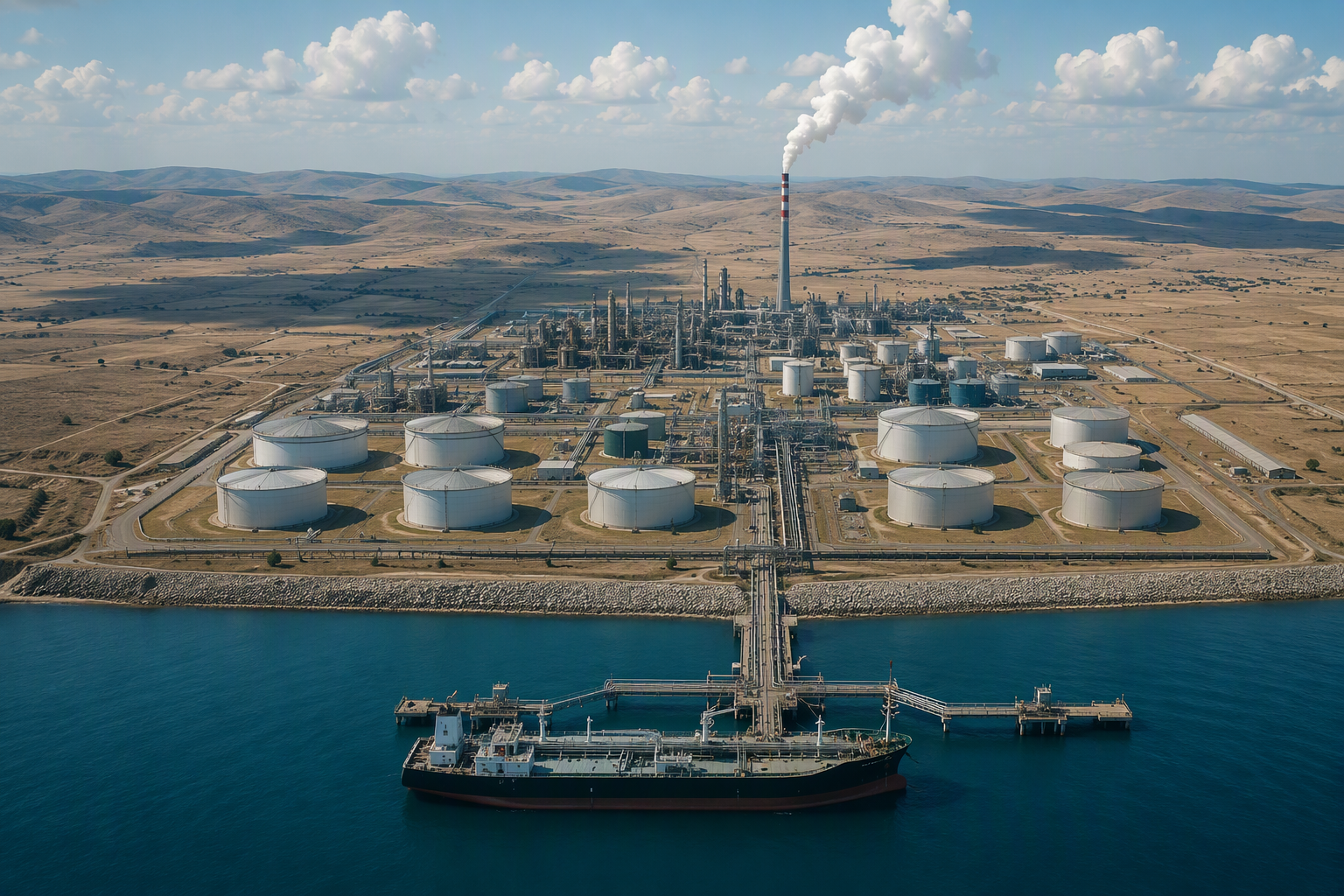
Measures under scrutiny can include incentives that encourage rainforest clearance, as well as state discounts for synthetic fertilisers and chemical pesticides that damage land and water. Ecosystem decline can affect food production, water security and economic stability.
For businesses, the outcome may influence the policy environment for investment and resource security. More than 130 companies, including H&M and Nestlé, have called on governments to set clear policies and develop a plan to reform incentives within the next 12 months.
For Türkiye, COP17 comes shortly before COP31 is due to open in Antalya on 9 November, placing environmental finance and resource-security issues close to the country’s next major climate meeting.
Background
Private-sector funding is expected to receive attention as public budgets remain constrained. The Cali Fund, established in 2025, is intended to secure contributions for nature protection from companies that rely on digital databases of biological samples for products in areas including pharmaceuticals, cosmetics and commercial agriculture.
Outstanding questions include how funding should be divided between countries and Indigenous communities, and whether firms whose activities only partly depend on genetic resources should pay contributions based on total revenue.
What's next
COP17 discussions run until 30 October. Delegates will seek progress on the US$30 billion public-finance commitment, subsidy-reform planning and the operational details of private-sector contributions through the Cali Fund. COP31 is scheduled to start in Antalya on 9 November.