What happened
A restoration and recovery programme has been launched for the Gediz Delta in İzmir, with work scheduled for 2026–2031. The initiative is led by the General Directorate of Nature Conservation and National Parks and Doğa Derneği, alongside BirdLife Europe and Central Asia and France-based Tour du Valat Research Institute. It receives financial support from the Endangered Landscapes and Seascapes Programme.
The programme was presented at a launch meeting in İzmir on 6 October 2026. Planned measures include solar-supported water management in freshwater areas and ecological management of pastures and meadows.
Existing barriers are to be adapted into ecological weirs that enable fish migration. The project also plans to restore the flamingo island, build artificial breeding platforms for waterbirds and place sections of electricity lines underground where they obstruct bird movements or cause injuries and deaths.
Why it matters
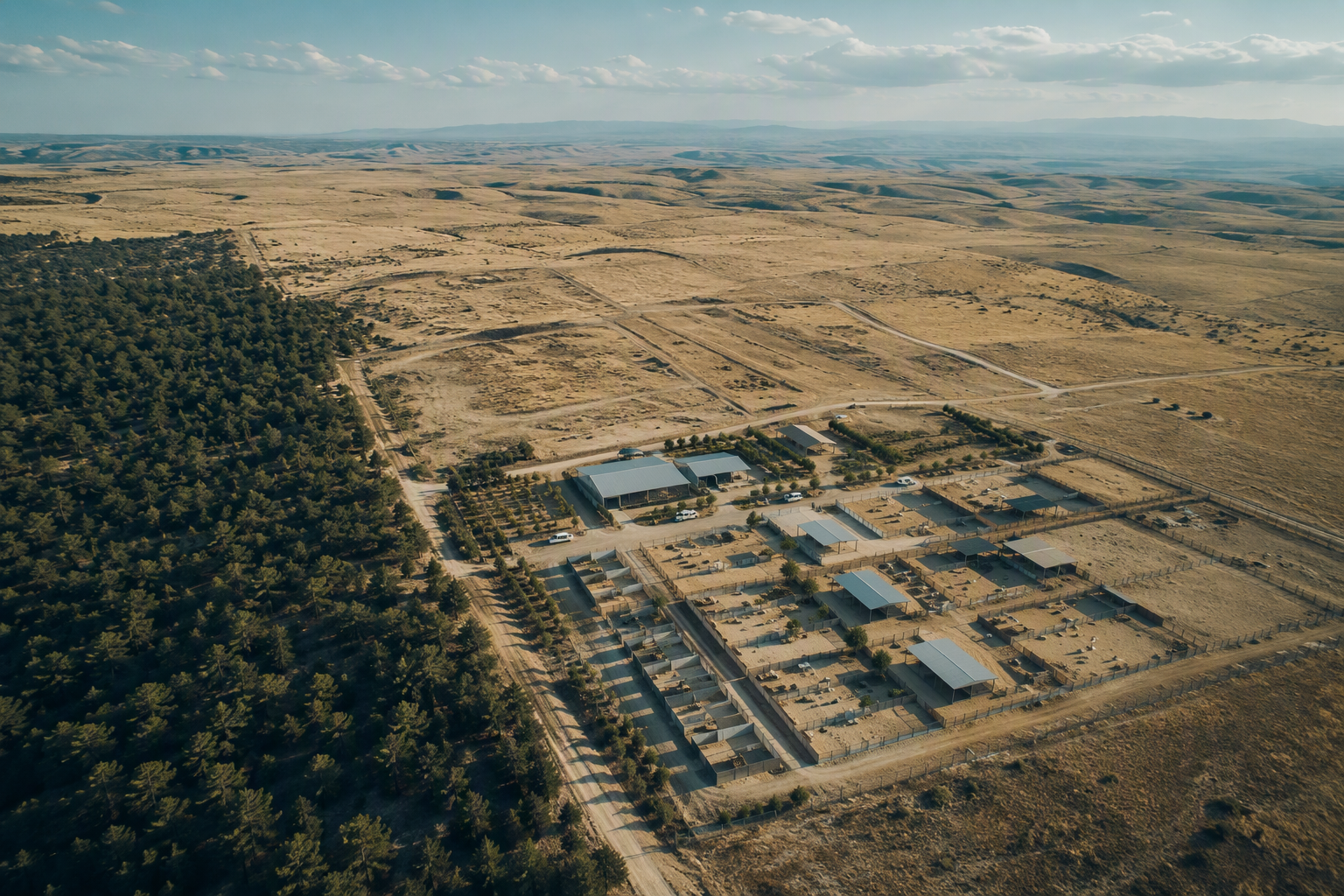
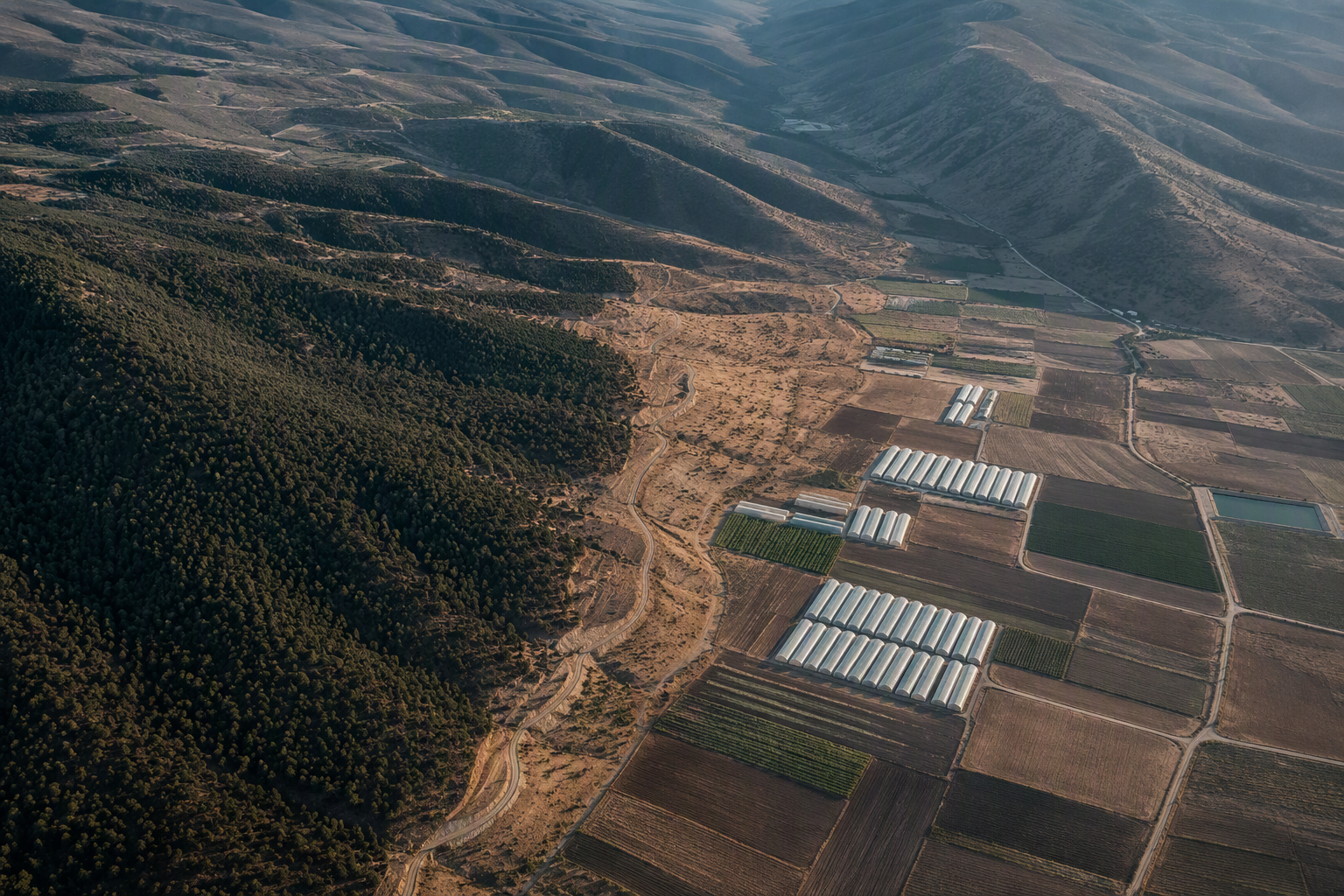
The delta spans the districts of Menemen, Foça, Çiğli and Karşıyaka. It contains fisheries, salt marshes, reedbeds, lagoons, farmland and traditional production systems. Its ecological condition therefore has implications for local economic activity as well as habitat conservation.
Gediz Delta hosts one of the Mediterranean’s largest colonies of Dalmatian pelicans and terns. It is also used by tens of thousands of waterbirds for wintering, migration stops and breeding. The area provides nesting habitat for around 20,000 pairs of flamingos each year, representing 10% of the global flamingo population.
Small-scale fishing, traditional livestock farming and annual salt output of roughly 500,000 tonnes connect the wetland to the local economy. The programme also envisages rural-development models, ecotourism support and restoration of the delta’s visitor centre for greater use by visitors and students.
Background
Gediz Delta is listed under the Ramsar Convention and holds several protected designations, including Wildlife Development Area and Natural Site status. Its archaeological designation also reflects the presence of the ancient city of Leukai.
What's next
The partners’ five-year work plan runs through 2031. Delivery will focus on water and habitat management, fish passage, bird breeding sites, electricity-line risks and visitor facilities.