What happened
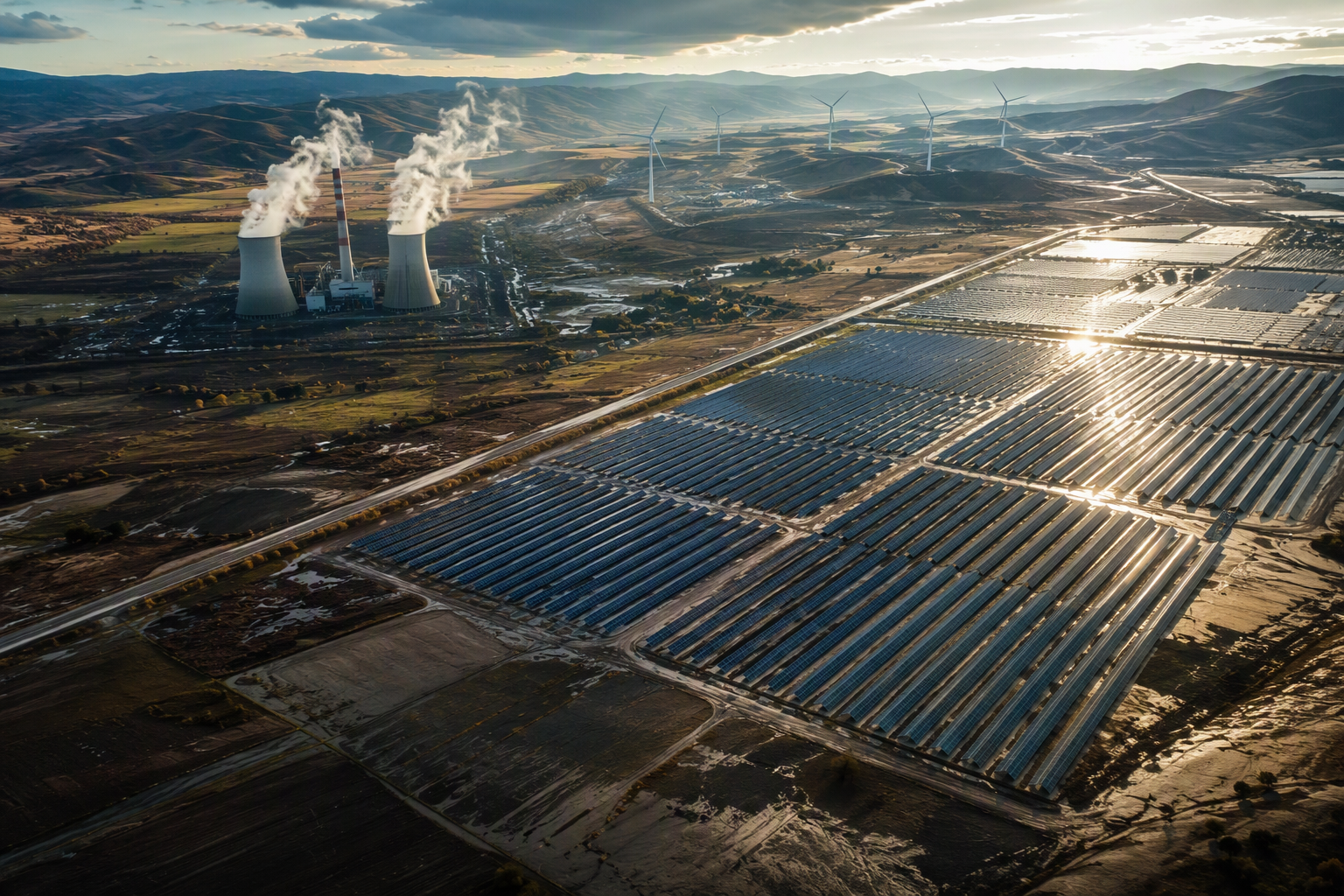
The International Energy Agency has examined a proposed goal for electricity to provide 35% of global final energy demand by 2035. Its assessment finds that the goal is achievable using technologies that are already available.
The work was prepared following requests from Türkiye's COP31 presidency and Australia's COP31 negotiations leadership. It considers the potential to shift energy use towards electricity in transport, buildings and industry.
In the IEA's high-electrification pathway, countries reliant on fossil-fuel imports could cut annual import expenditure by more than $400 billion compared with 2025. Average household energy bills would be 15% lower in 2035, according to the analysis.
Why it matters
The assessment puts a financial value on faster electrification alongside its relevance to energy-import dependence. For governments, the figures underline the potential scale of reduced exposure to imported fuels; for energy users, they point to the importance of electric technologies in future energy-cost outcomes.
However, the pathway depends on policy and infrastructure moving beyond the current trajectory. With existing policies left unchanged, the IEA expects electricity's share of final energy use to reach 30% in 2035, five percentage points short of the proposed objective.
Organisations with major transport fleets, building portfolios or industrial energy demand should review where electrification plans rely on network capacity, connections and equipment deployment. They should also test how changes in electricity and fuel costs would affect investment cases.
Network investment is a critical condition
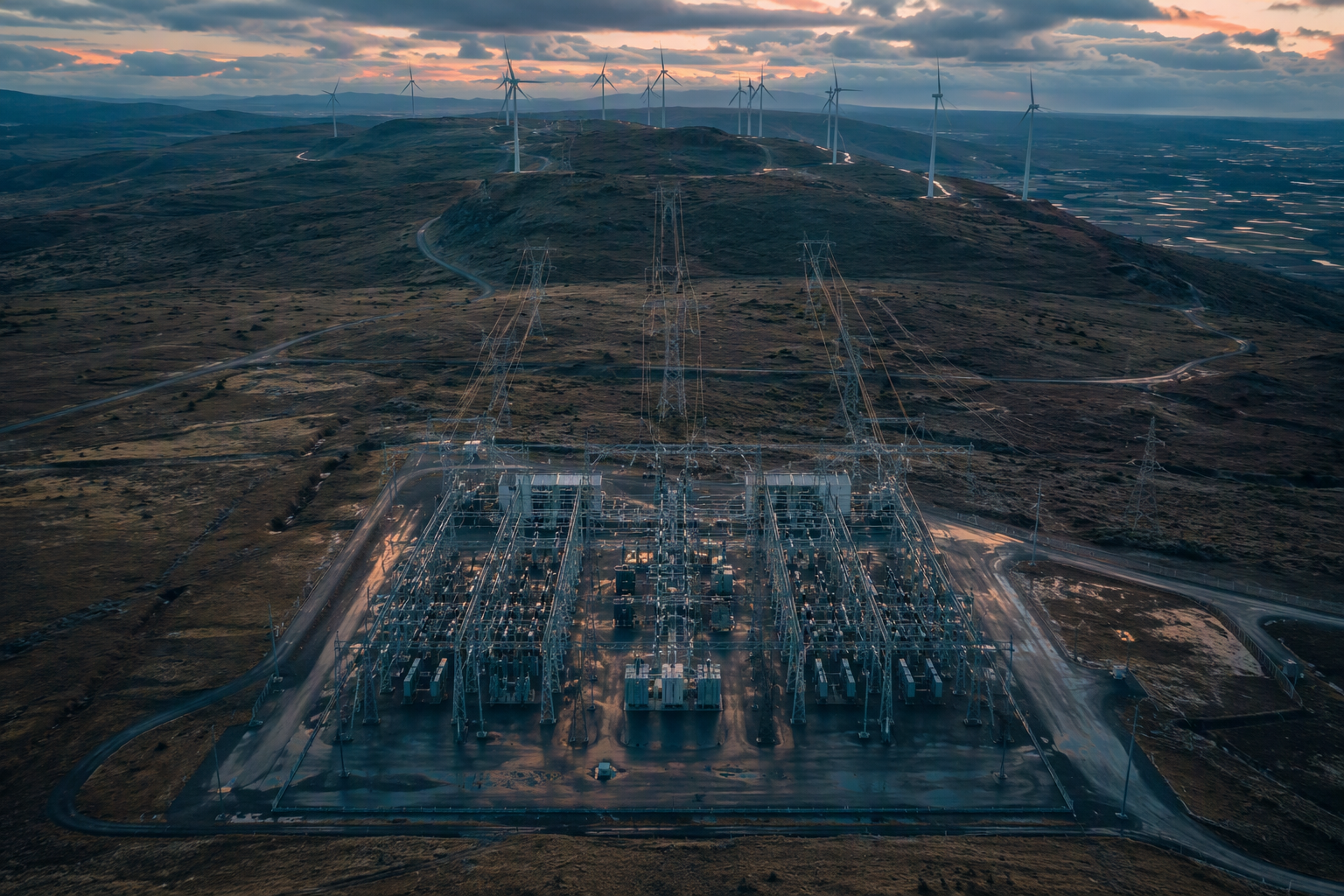
The IEA says power networks must be upgraded and extended at a rate 40% faster through 2035 than over the previous decade. This is needed to connect new supply with rapidly increasing electricity demand.
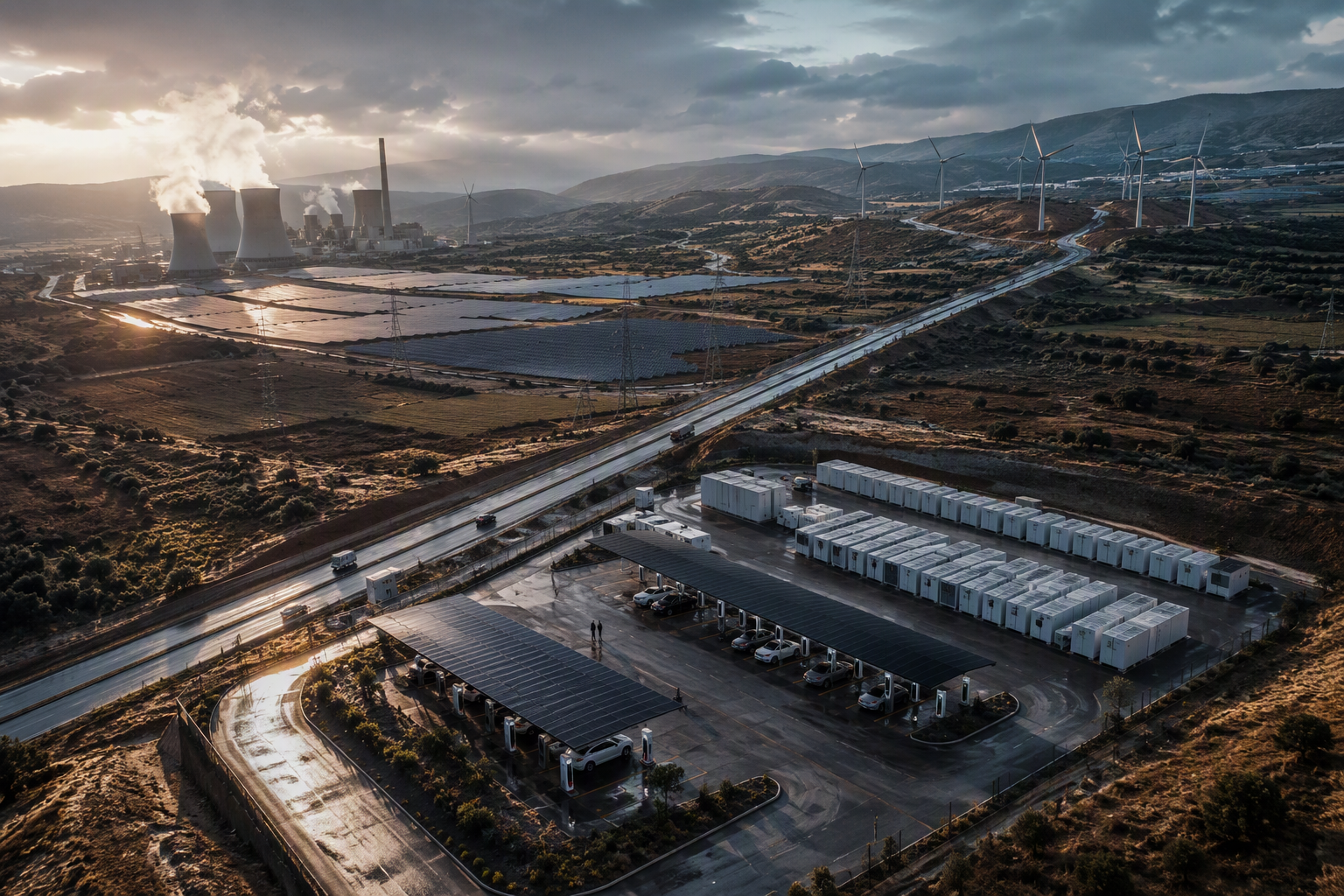
The analysis also highlights the effect already being recorded from electric vehicles, which it says are avoiding 2.3 million barrels of oil consumption each day. That quantity exceeds the summer volume carried through the Habshan–Fujairah oil pipeline, which bypasses the Strait of Hormuz.
What to watch
The central question for the 2035 ambition will be whether policy, network development and adoption across end-use sectors can close the gap between the current-policy outlook and the higher-electrification pathway. Grid delivery rates will be a key indicator of progress.