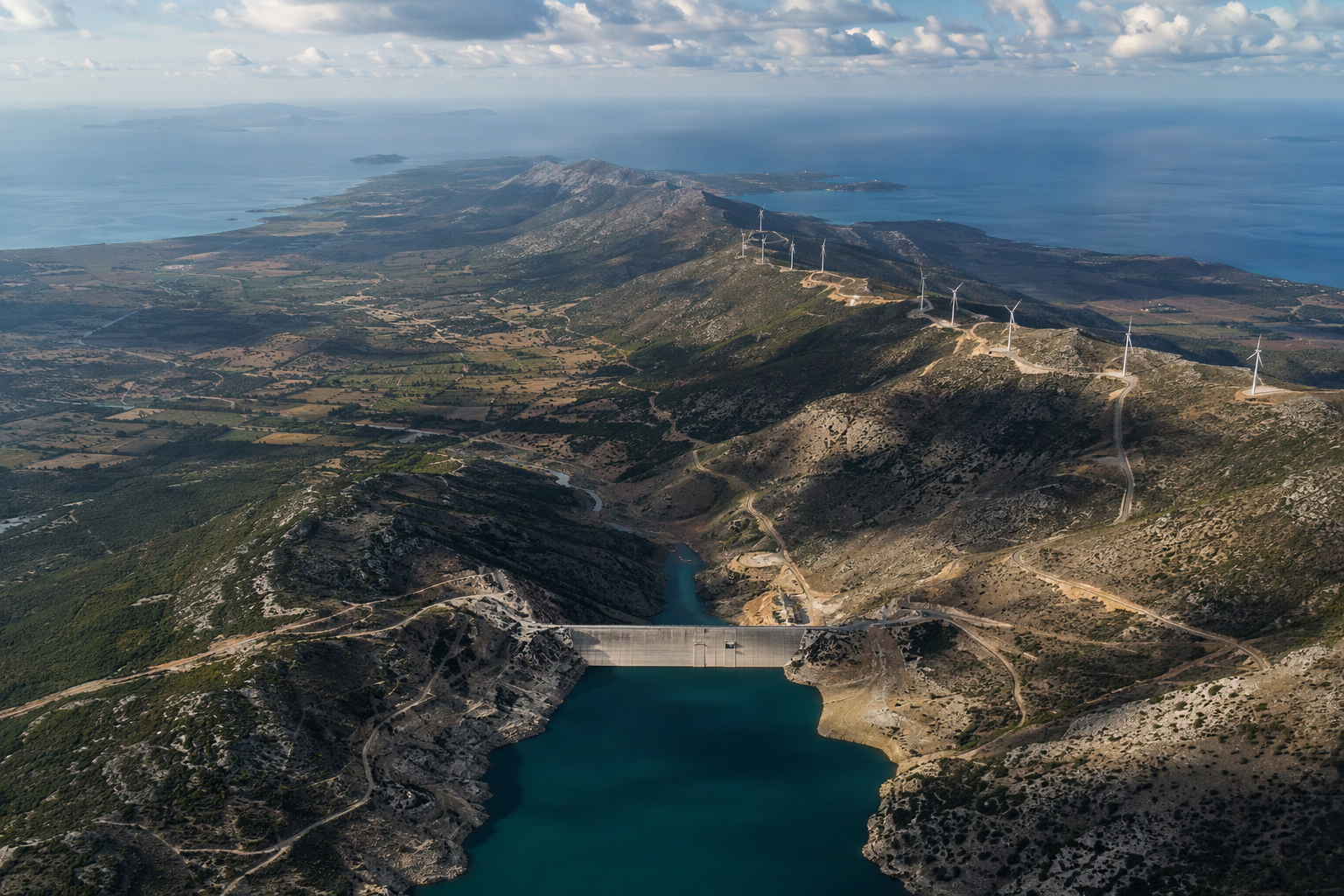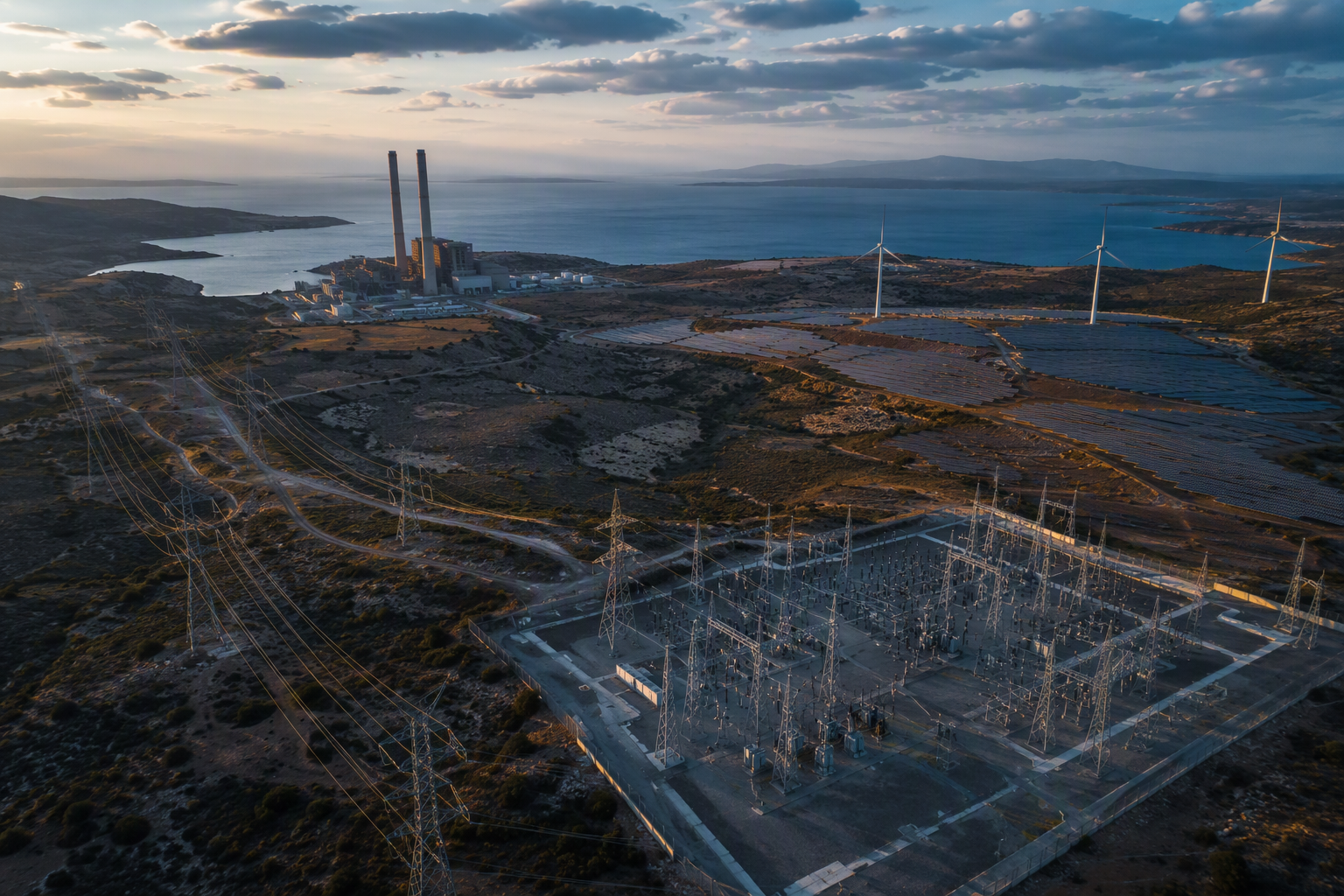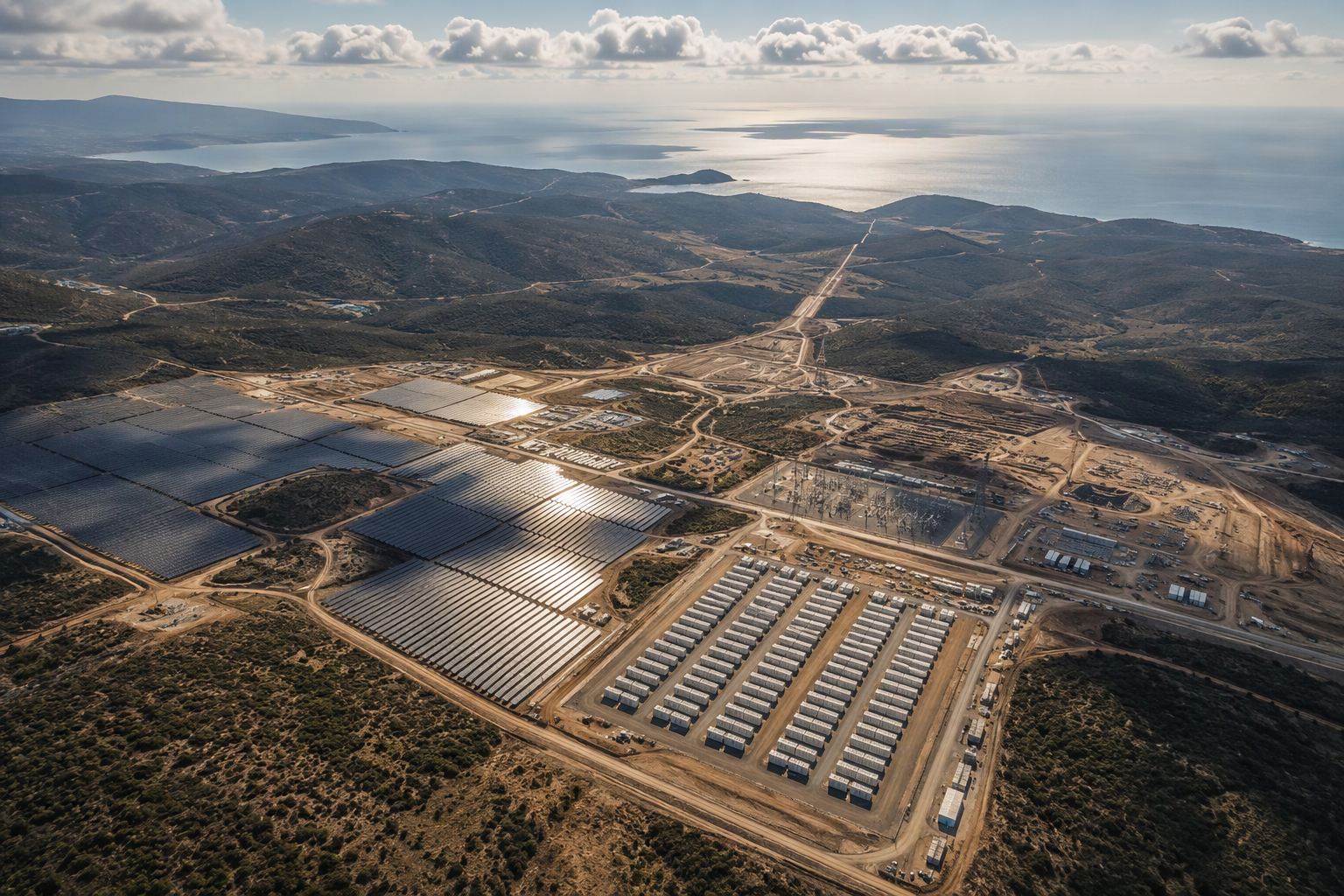
What happened
Türkiye has introduced the Renewable Energy Acceleration and Clean Transition Platform, or REACT, at a COP31 ceremony in Antalya. Developed by the Ministry of Energy and Natural Resources, it is intended to help unlock US$300 billion in investment across the renewable-energy value chain by 2040.
Its remit extends beyond new power capacity. REACT covers electricity generation, transmission and grid assets, energy storage, flexibility technologies, manufacturing and electrification. The platform has set an earlier objective of securing US$6 billion for renewable-energy projects over the next five years.
The European Bank for Reconstruction and Development has said it will provide €6 billion for the platform. Yeşil Ekonomi reported that the European Union, World Bank and International Finance Corporation are among the participating institutions.
Why it matters
REACT frames Türkiye’s clean-energy investment need as a system-wide task rather than one limited to renewable generation. Grid infrastructure, storage, flexible power systems, local manufacturing and electrification are all included in the platform’s stated scope.
That breadth makes forthcoming project and funding announcements relevant to developers, network businesses, technology suppliers, manufacturers and organisations planning electrification investments. Readers should monitor how the platform translates its five-year renewable-project objective into a pipeline and financing arrangements.
Alongside the EU, World Bank, IFC and EBRD, listed participants include the Glasgow Financial Alliance for Net Zero, the International Bank for Reconstruction and Development, Climate Investment Funds, KfW, the Powering Past Coal Alliance, the Royal Danish Embassy and UNIDO.
Background and next steps
According to the announcement, REACT was developed in connection with the COP31 “35 by 35” global electrification commitment. Its two stated milestones are US$6 billion for renewable projects within five years and US$300 billion mobilised across the wider clean-energy chain by 2040.
The platform’s effectiveness will depend on the projects, investment structures and delivery mechanisms subsequently brought forward by its participating organisations.