What happened
The Science Based Targets Network (SBTN) has issued Science-Based Targets for Nature 2.0, a revised framework for businesses developing nature targets. According to ESG News, the update expands target-setting options, refreshes freshwater and land methods, and introduces resources intended to support implementation.
The framework is designed for companies working with uneven environmental data, limited traceability of sourced materials and complex supply networks. Businesses may now use a narrower target boundary, set targets focused on supplier engagement, or move through validation in stages. The appropriate option depends on the organisation’s available evidence, readiness and visibility across its value chain.
The added flexibility does not remove SBTN’s core expectations. Independent validation, transparent public reporting and environmental assessment at specific locations remain integral to the approach. For companies considering Nature 2.0, the immediate task is to identify where their evidence is robust, select an appropriate route and establish a plan to close information gaps.
Why it matters
Dependencies on ecosystems can affect access to inputs, continuity of operations and entry to markets. Nature 2.0 gives companies a way to begin target-setting without waiting for complete data throughout the supply chain, while still requiring a scientifically grounded and accountable process.
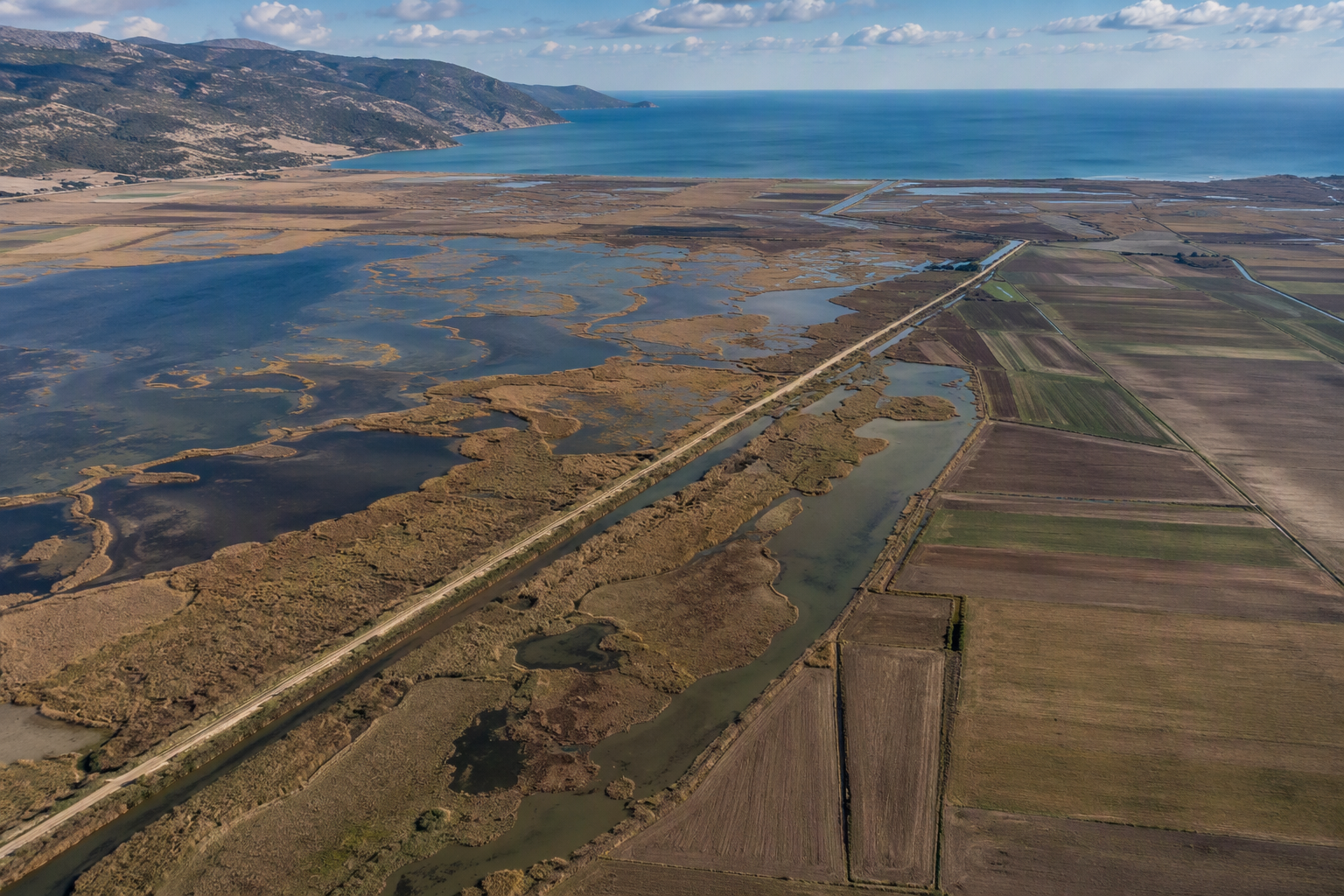
The freshwater methodology gives greater emphasis to groundwater assessment and includes water-quality effects associated with pesticides. Land guidance adds methods relevant to regeneration and restoration, and now encompasses sectors including mining, infrastructure, construction and extractive activities. SBTN has also published Step 4: Act materials to help organisations move from target design into operational planning.
Investor expectations provide another reason to monitor the framework. ESG News reports that TNFD’s 2026 Status Report found 93% of investor respondents sought science-based corporate nature targets. SBTN methods are being used by over 300 businesses operating in 40 countries, while more than 60 land and freshwater targets have been validated for 18 companies.
Links to disclosure and future development
The release precedes CBD COP17 and coincides with work involving the Taskforce on Nature-related Financial Disclosures (TNFD) and the Nature Positive Initiative. TNFD supports identification and disclosure of nature-related dependencies, impacts, risks and opportunities; SBTN uses relevant assessment work to underpin targets and implementation.
SBTN says alignment between these approaches should allow companies to use environmental data and analysis across disclosure and target-setting, reducing duplicated effort. A future update is expected to focus on oceans. Beyond that, SBTN anticipates refinements and supporting tools rather than another major redesign of the framework.