What happened
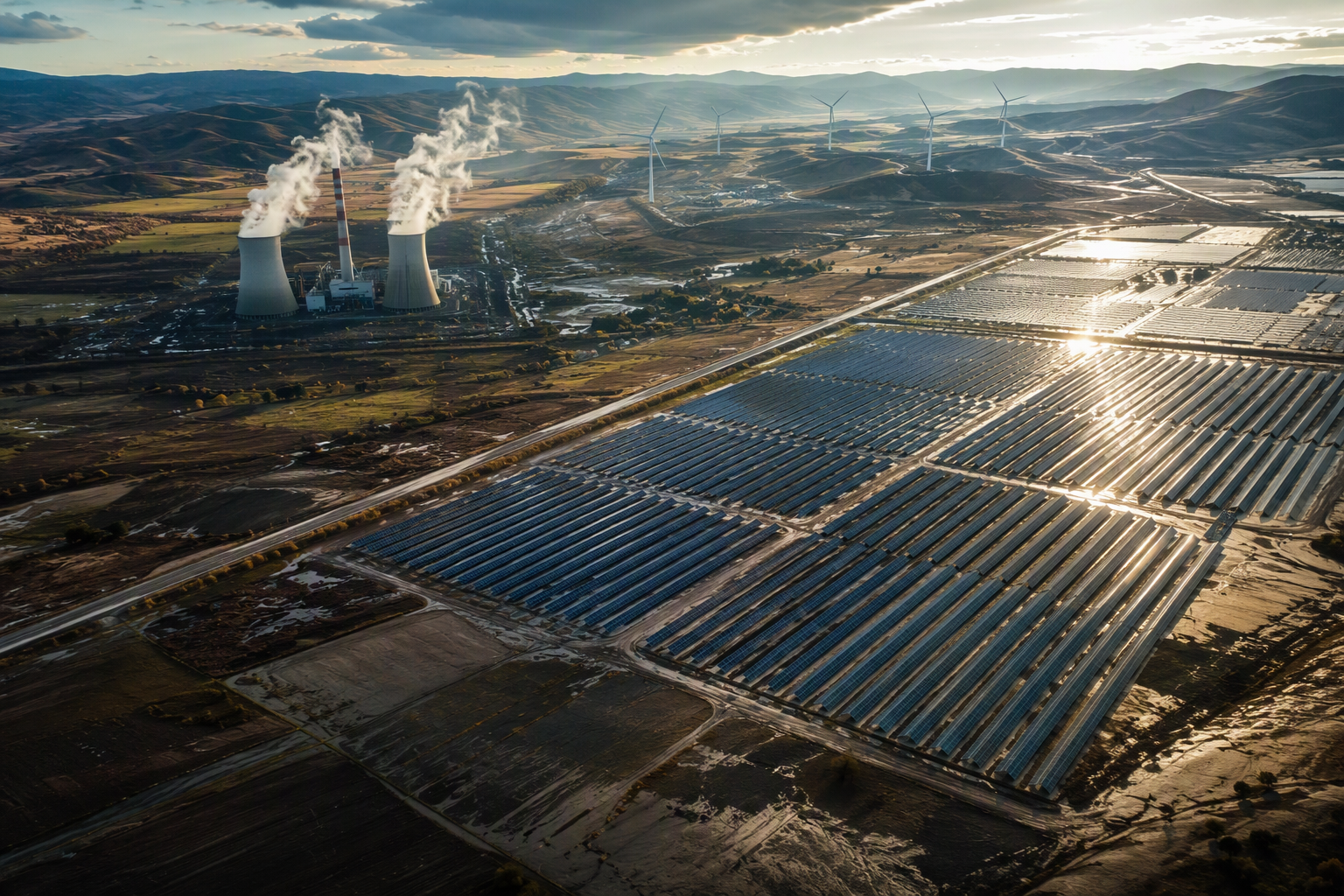
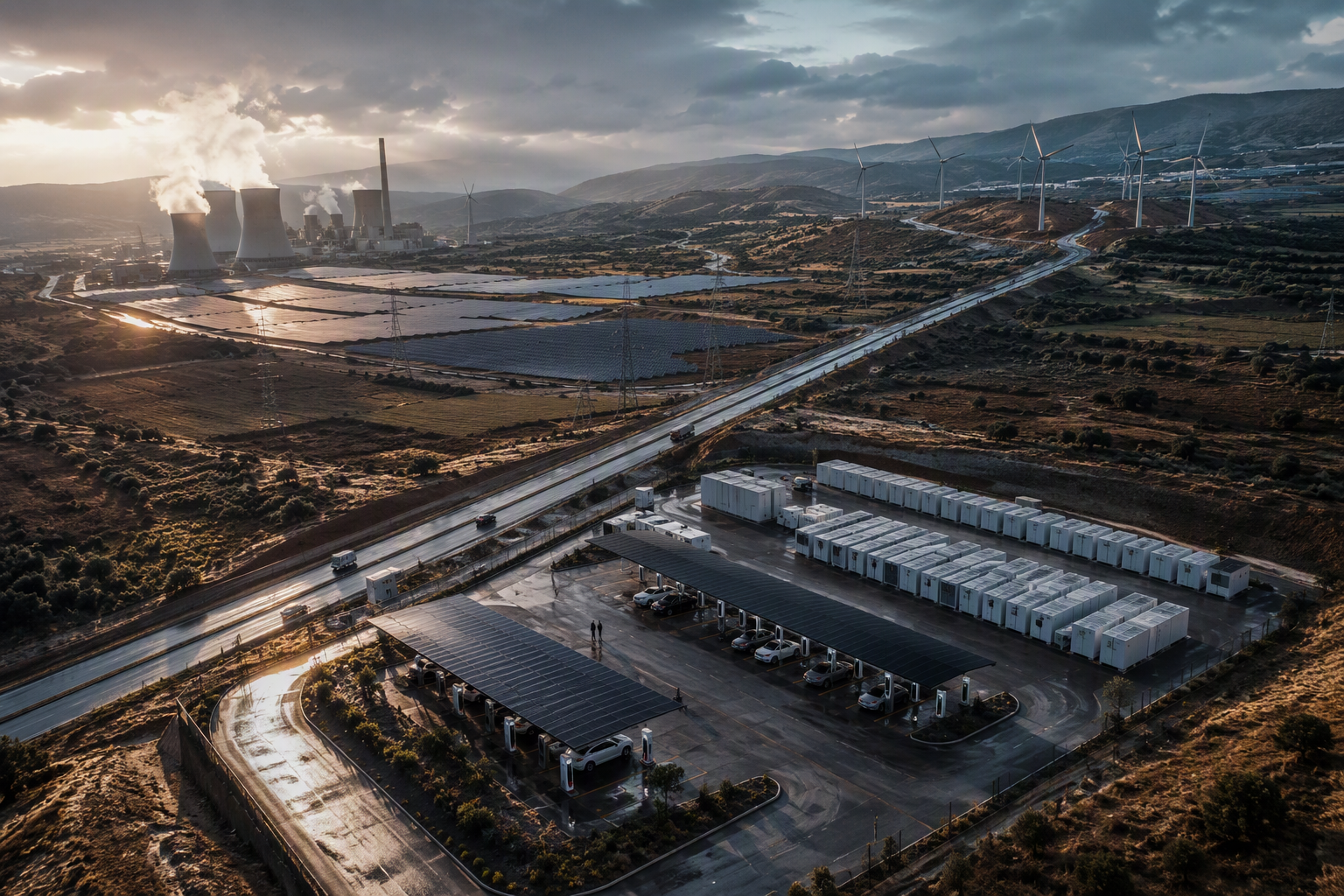
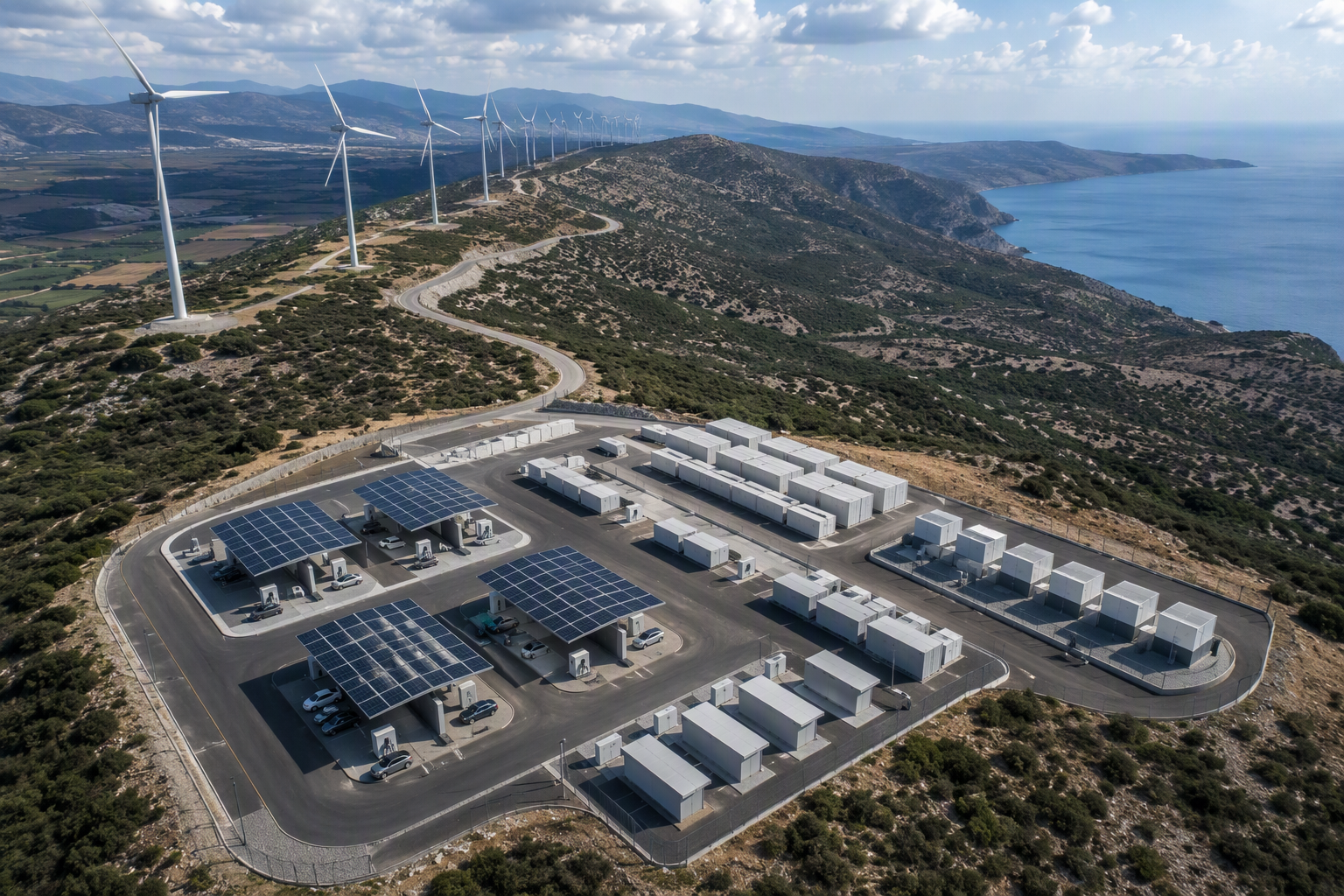
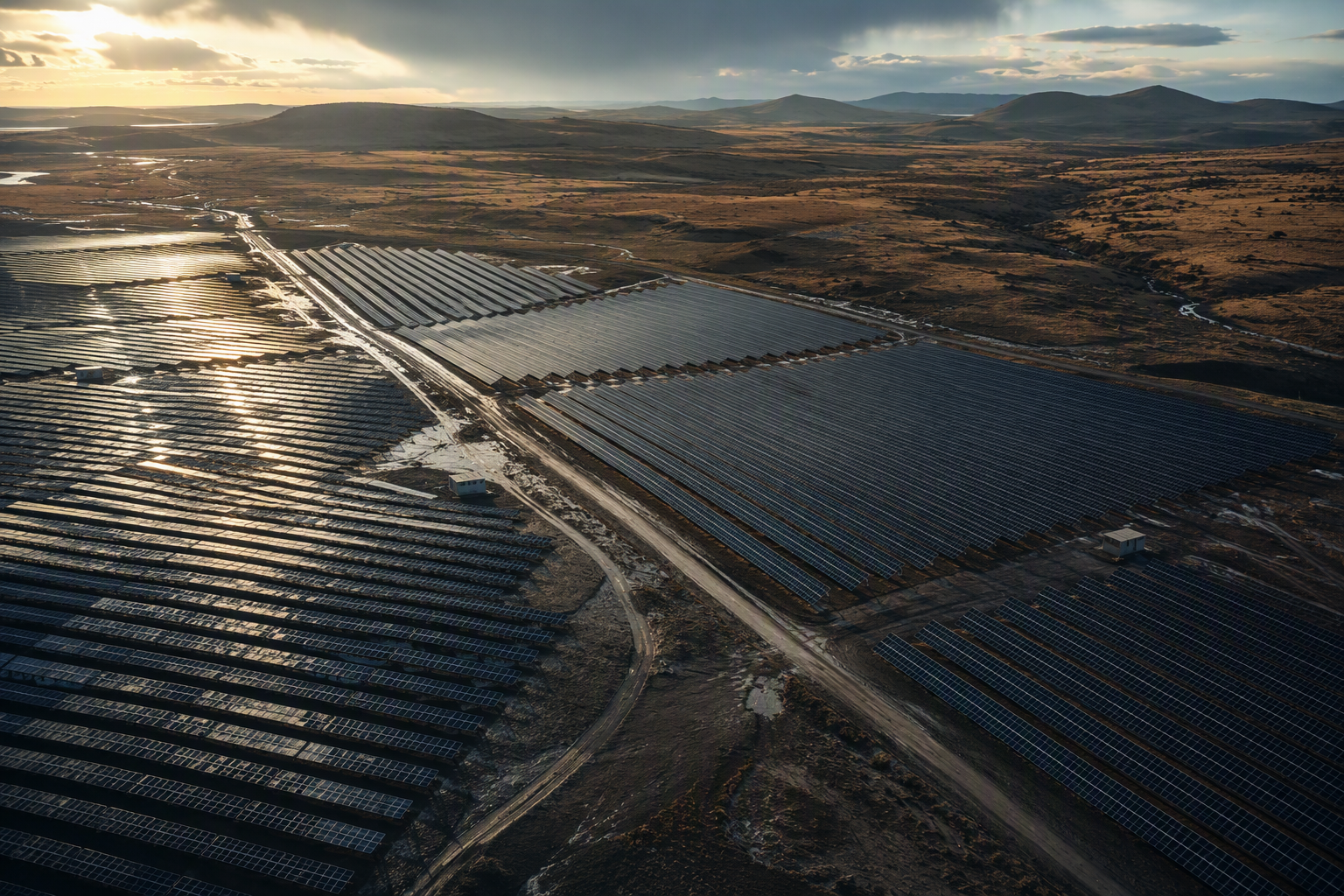
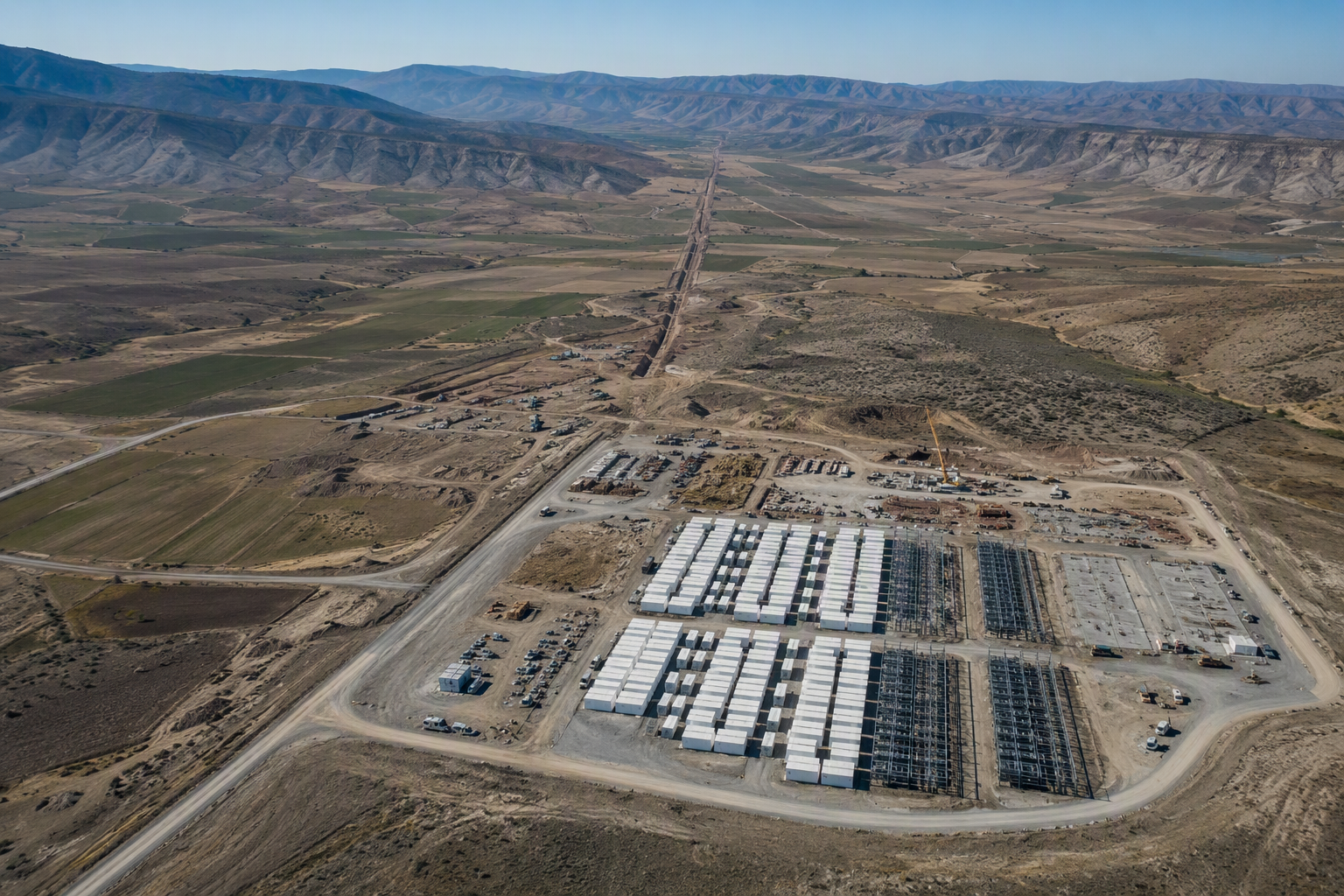
Traktek Enerji Tedarik Depolama Ticaret A.Ş. is proposing a solar generation and electricity-storage development in Alfaklar village, in Uşak’s Karahallı district. According to Enerji Günlüğü, the Bozköy project would install 50 MW of solar capacity alongside a storage facility of the same capacity, at an estimated cost of TRY 660 million.
The proposal is relevant to developers and suppliers tracking Turkey’s co-located renewable and storage pipeline. The stated next step is delivery: construction is expected to require roughly one year, although the available information gives no start or commissioning date.
Plans cover a 68.90-hectare area and specify 100,000 modules, each with a 500 Wp rating. The solar installation would also include 10 inverters rated at 5,000 kWe each. Traktek intends to use a lithium-ion battery system for the storage element.
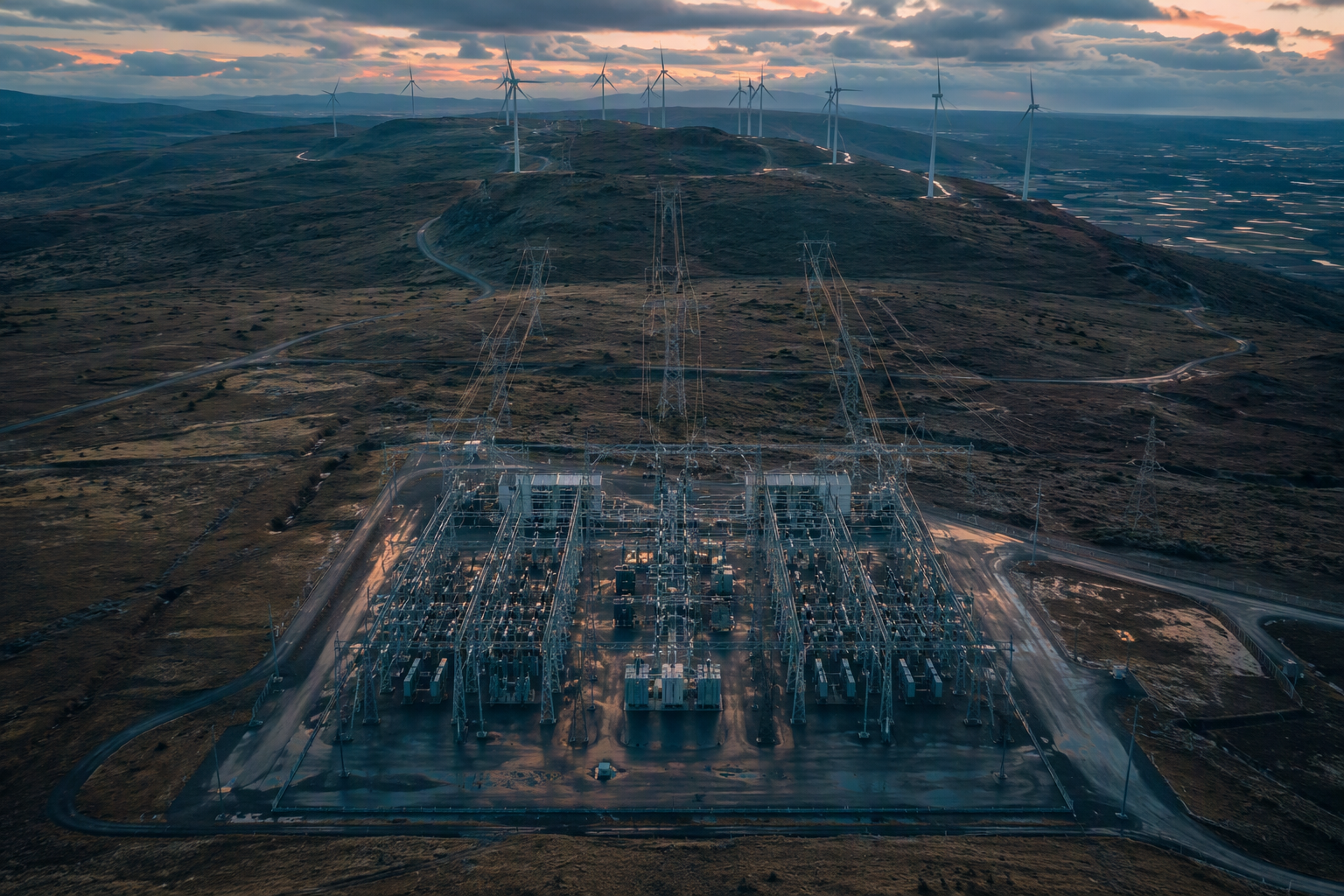
Annual generation from the solar plant is projected at 100 million kWh. Electricity would be routed from the generation busbar to a switchyard, then connected to the Karahallı substation through a 2 km, 154 kV transmission line. Where required, generated electricity is intended to move into the storage facility before being supplied back to the grid.
Why it matters
The project would bring solar production, battery storage and grid-connection infrastructure together in one proposed development. Its matching 50 MW generation and storage capacities distinguish it from a standalone solar project and indicate a planned role for batteries in holding electricity for later grid delivery.
For companies assessing procurement or development activity in Uşak, the published specifications identify demand for solar modules, inverters, lithium-ion batteries, switchyard equipment and a high-voltage line. The figures remain project plans rather than confirmed operating capacity or output.
The development also has a defined employment profile. Traktek expects 40 people to work during construction, followed by five roles during operations.
What’s next
Construction activities are forecast to be completed in about a year. Enerji Günlüğü’s report does not provide further information on permitting status, construction timing or the date at which the facility could enter service. Stakeholders should therefore treat the capacity, cost, output and employment figures as proposed project parameters.