What happened
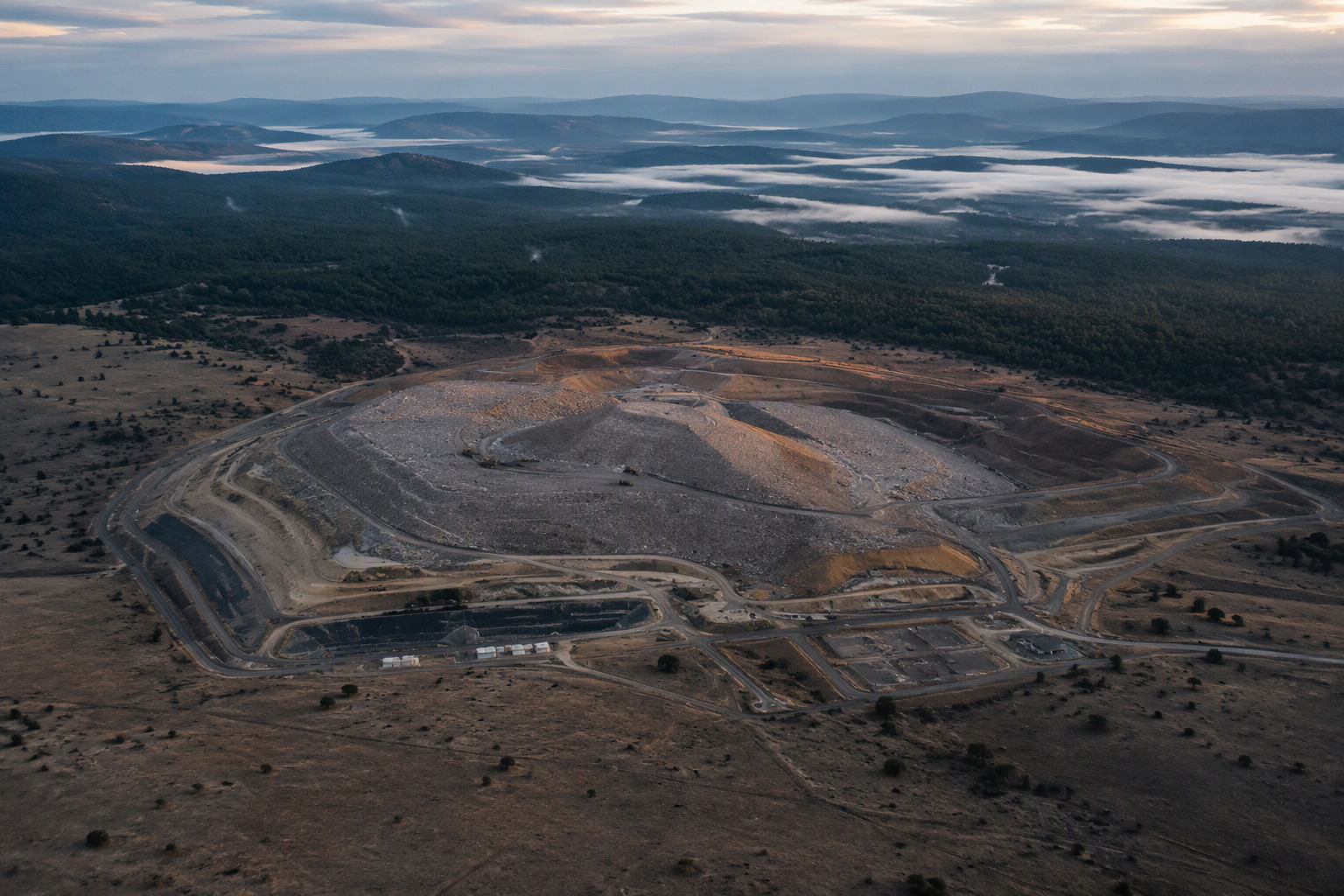
Satellite data analysed by researchers at the University of California, Los Angeles identified the Silivri municipal landfill near Istanbul as Turkey’s highest-emitting waste site for methane. The analysis put its average release at 7.4 tonnes an hour.
The Guardian reported that Silivri handles 10,000 tonnes of waste a day. It also identified significant emissions at other Turkish landfill sites, including a facility in Şile, on Istanbul’s other side, where emissions were estimated at about 4 tonnes an hour.
İstaç, Istanbul Metropolitan Municipality’s waste-management division, operates Silivri. Its staff said exposed sections of the landfill were a source of emissions and that covering waste quickly and collecting gas were priorities. The site has equipment that extracts 6,000 cubic metres of methane an hour for energy use.
Why it matters
Methane from decomposing organic waste is a material operational and climate risk for landfill operators and municipalities. Capturing gas can provide fuel, but the reported emissions indicate that collection systems, landfill cover and day-to-day operation may not prevent all releases.
The findings increase attention on waste-sector controls ahead of COP31, which Turkey will host in Antalya in November. Turkey has placed zero waste and methane reduction on its summit agenda, but it is not among the 159 countries that have signed the Global Methane Pledge, which targets a 30% reduction by 2030.
For Turkish waste authorities and operators, the data point to the need to identify major releases and improve gas capture and landfill management. Preventing food and other organic waste from reaching landfill would reduce the source of methane generation.
Background
Turkey’s greenhouse-gas reporting to the UN recognises uncontrolled methane releases from landfills as a major source of waste-sector emissions. The report said emissions from these sites are intended to be monitored by the environment ministry.
Legislation passed in August to establish emissions monitoring for selected private interests covers carbon dioxide but excludes facilities using biomass, including landfill sites, according to the Guardian’s report.
What's next
COP31 is due to take place in Antalya in November. Turkey’s environment minister and COP31 president-designate has written to the 196 countries expected to attend, identifying waste as an area where methane reductions could deliver near-term climate benefits.