What happened
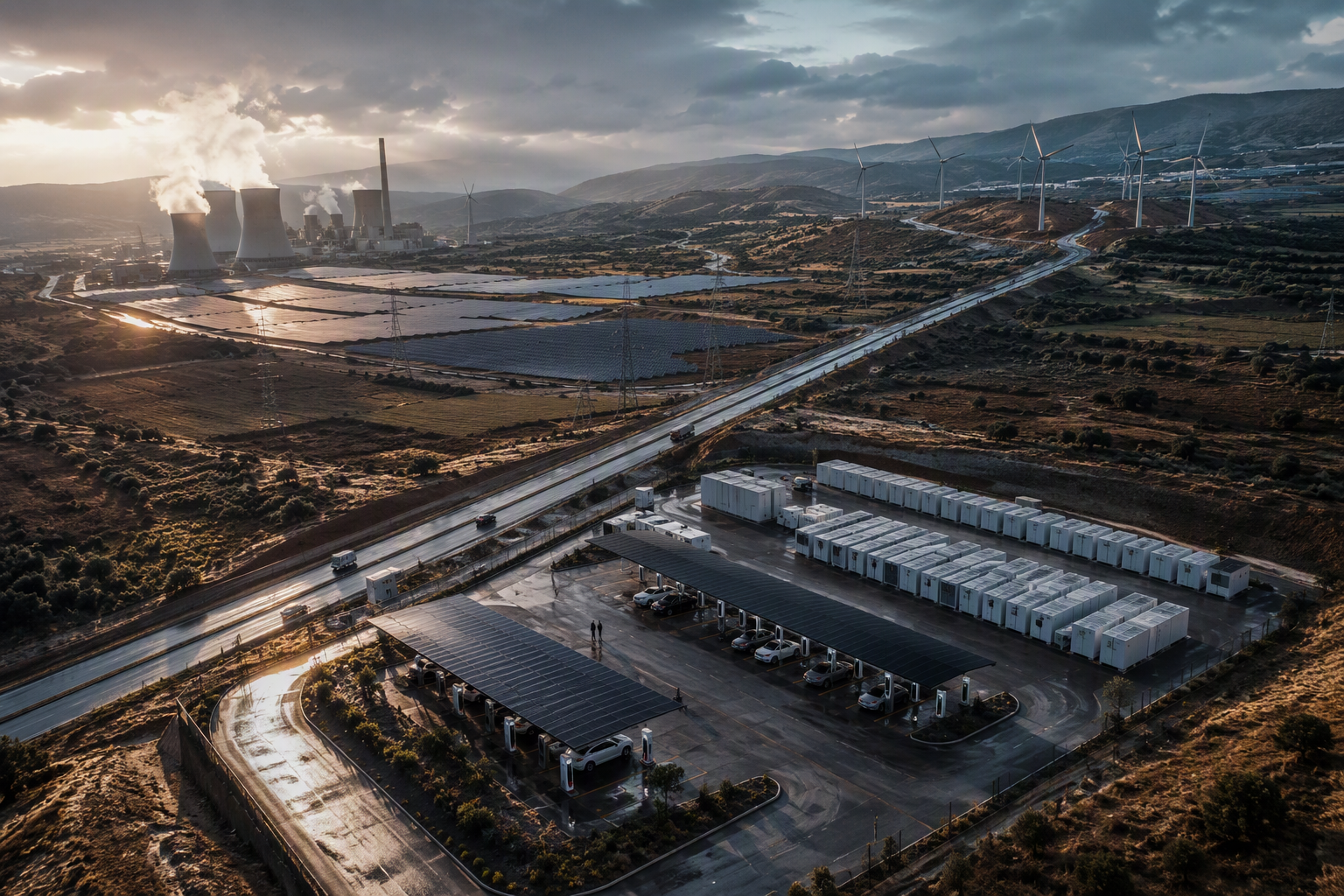
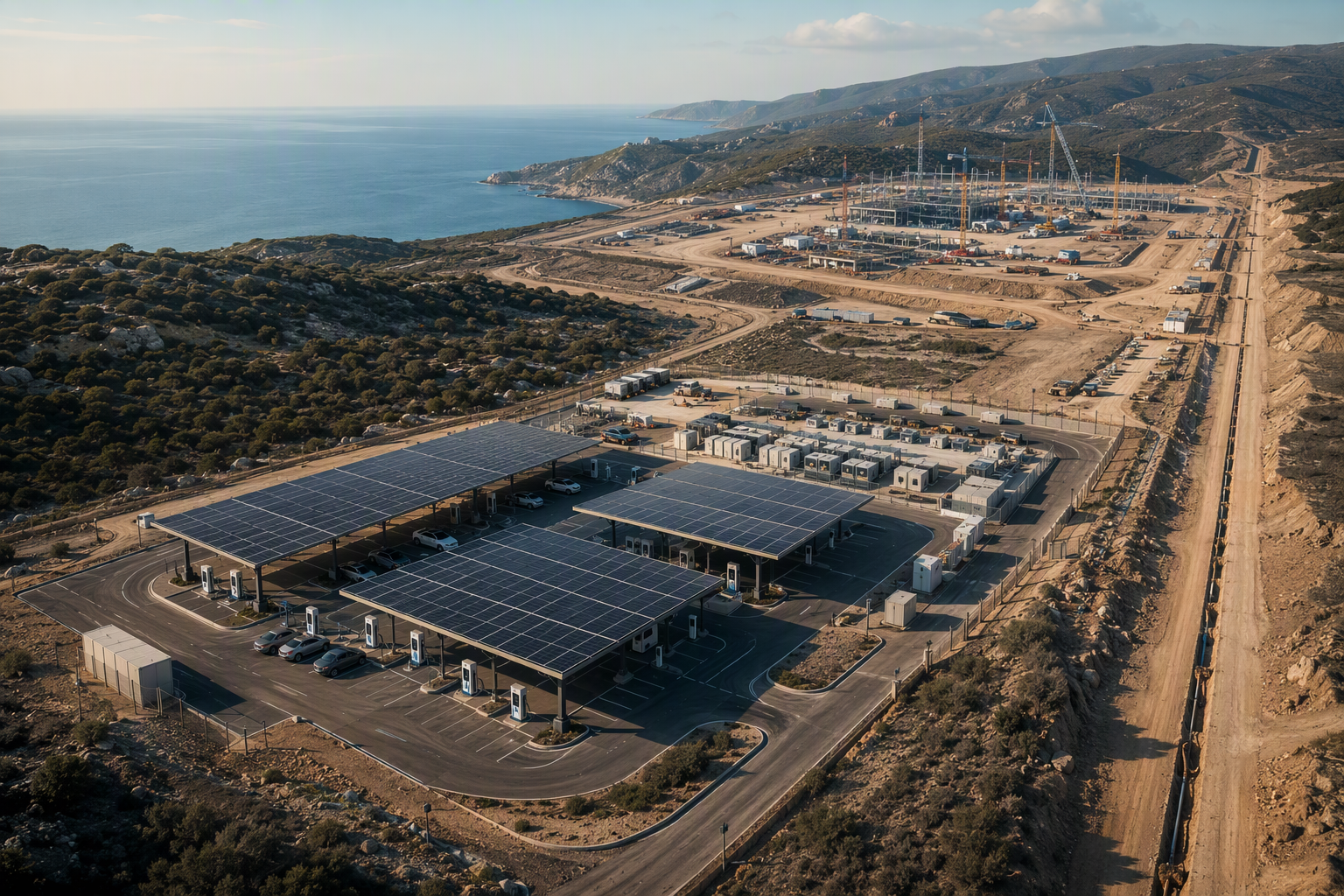
Electric mobility is becoming a material factor in Türkiye’s electricity system. Data from the Energy Market Regulatory Authority, cited by ICCI, put the country’s fully electric vehicle fleet at 464,873 in July 2026. The charging network comprised 46,665 points, which recorded about 3.33 million charging sessions during the month.
Certified green charging stations accounted for 65% of those sessions. As charging demand rises, investment decisions increasingly extend beyond vehicles and chargers to transformers, distribution networks, power electronics, storage and software used to manage electricity demand.
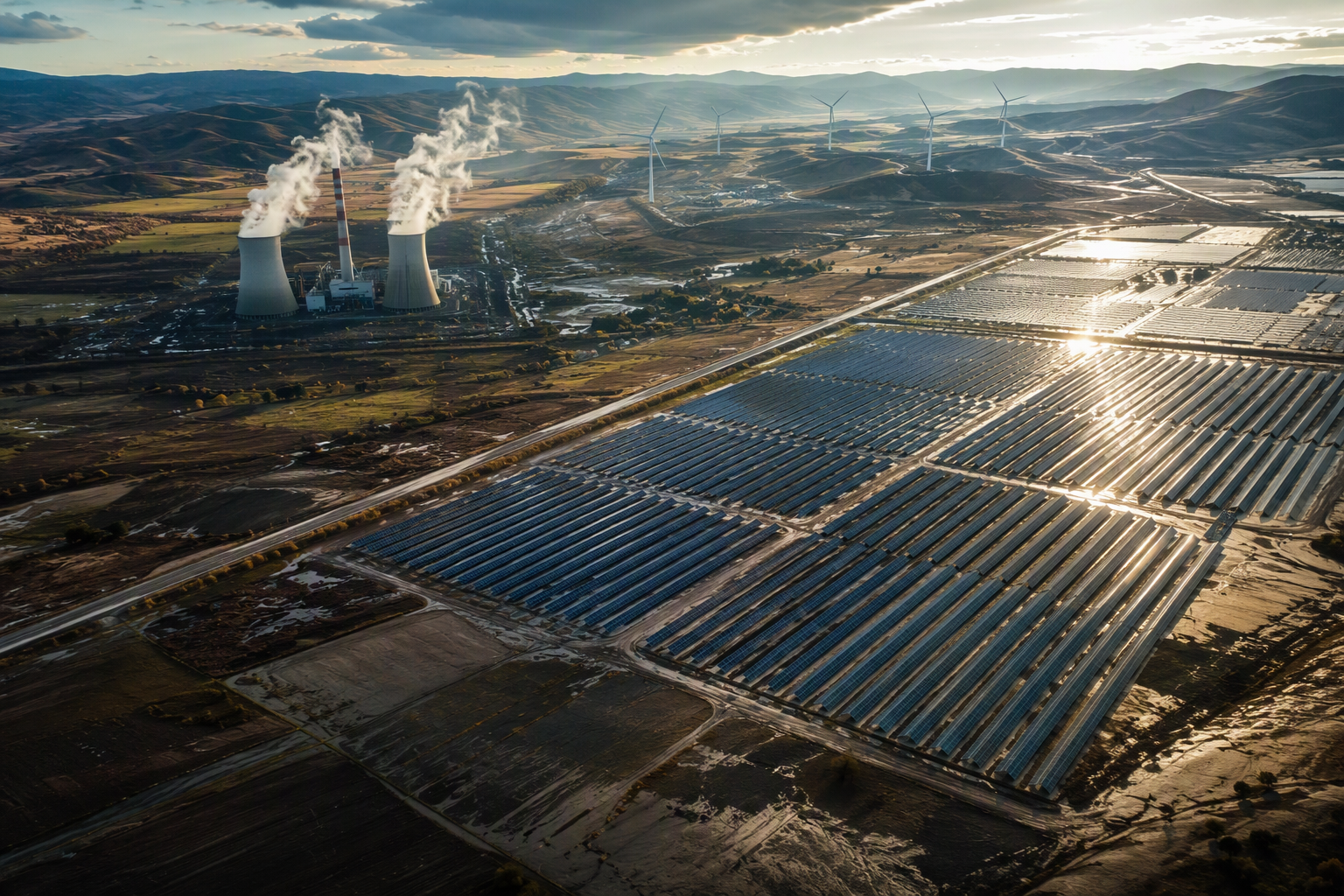
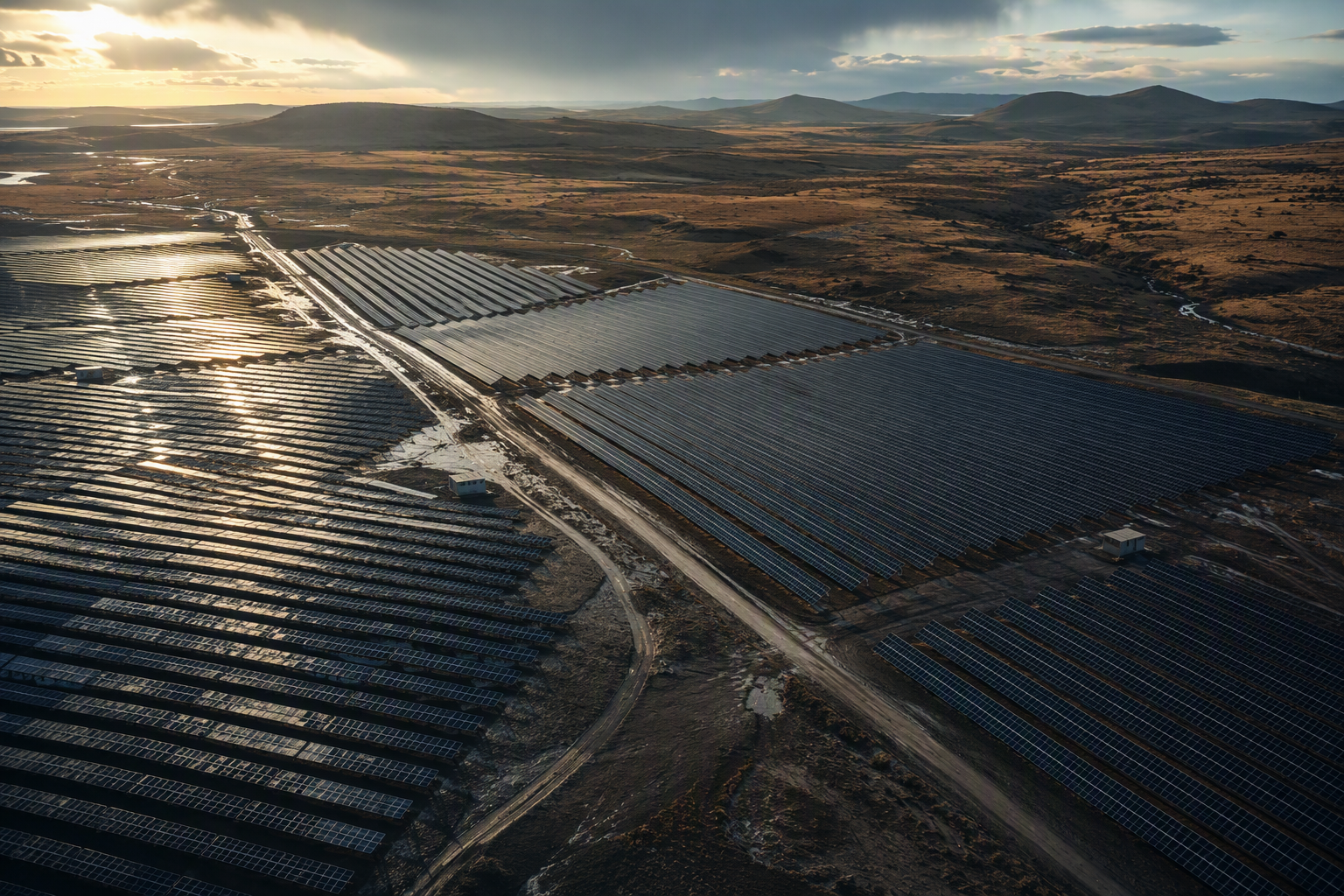
ICCI also highlighted a hybrid-generation project at Akenerji’s 904 MW Erzin natural-gas combined-cycle plant. ASUNIM completed and commissioned a 7.79 MWp auxiliary solar installation there. The company says it has delivered more than 150 MW of hybrid solar projects linked with wind, hydropower and gas plants.
Why it matters
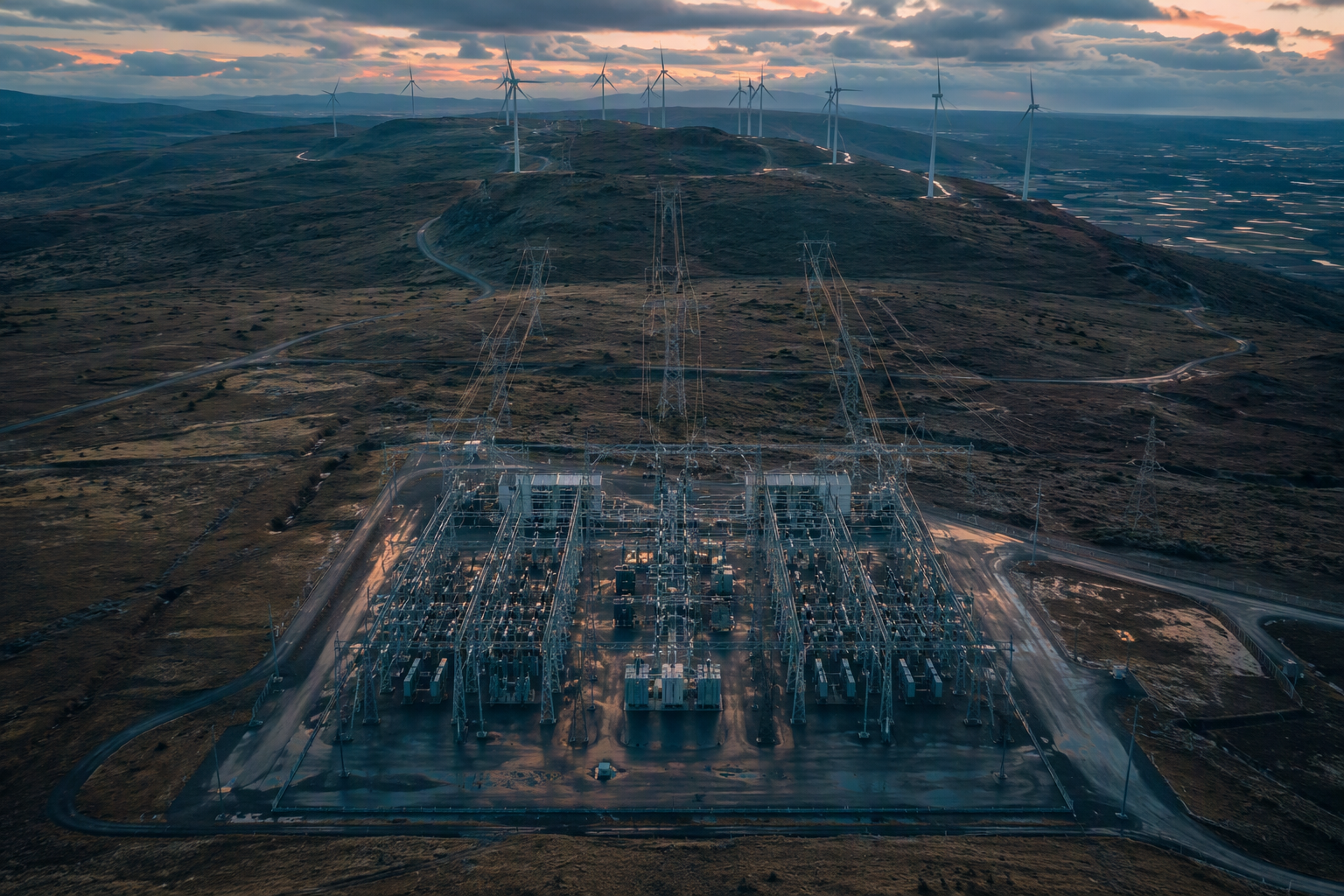
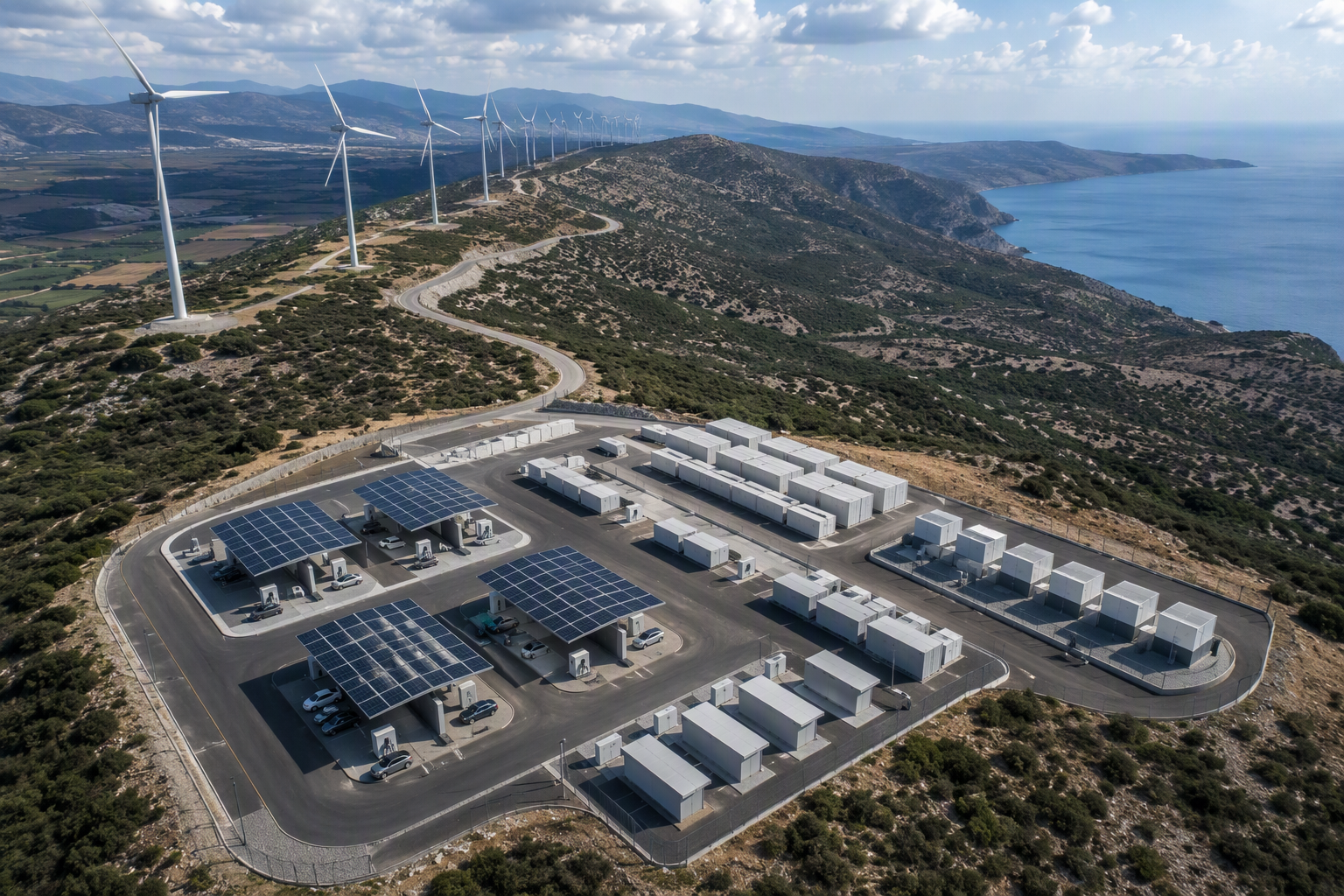
The growing electric-vehicle fleet creates a new pattern of power consumption for grid operators and investors. High-power direct-current charging and the eventual wider use of electric heavy-duty vehicles will require distribution infrastructure to accommodate sharper and potentially more concentrated demand.
For Turkish businesses, this opens activity across charging equipment, grid components, batteries, energy-management systems and renewable-energy integration. It also makes the timing of charging more important: electricity generated during high solar-output periods can be stored or directed to flexible demand rather than placing additional pressure on the system at peak hours.
The same logic applies to existing generation assets. Adding solar capacity to operating power plants can use existing sites, grid connections and electrical equipment, rather than relying solely on new standalone projects.
Background
ICCI points to wider European developments that illustrate the shift towards system flexibility. Across ten European electricity systems between 1 June and 15 August 2026, hydropower output was 31.65 TWh, the lowest level for the equivalent period in seven summers, while solar generation reached 84.44 TWh.
Austria is considering greater policy support for battery storage, energy management and storage added to existing solar facilities. A ministry-commissioned study indicated that up to 8 GW of market-led battery capacity could provide economic value by 2030; ICCI notes that this is an estimated potential, not an adopted national target.
What's next
ICCI’s 30th International Energy & Environment Fair and Conference is scheduled for 20–22 January 2027 at the Yenikapı Eurasia Show and Art Center in Istanbul. The event will focus on technologies, investment and partnerships across the changing energy system.