What happened
Electric mobility, battery storage and grid management are becoming more closely connected in Türkiye’s power system, according to an ICCI review of recent market developments. It cites Energy Market Regulatory Authority data showing that the country had 464,873 fully electric vehicles and 46,665 charging points in July 2026.
Charging stations recorded about 3.33 million sessions during that month. ICCI says 65% of these sessions took place at charging points holding YEK-G green-energy certificates. As electric vehicle uptake grows, it identifies distribution capacity, high-power direct-current charging, load management, storage and renewable integration as linked investment issues.
The review also points to weather-related pressure on European power systems. Across ten systems with comparable solar and hydropower data, hydro generation totalled 31.65 TWh between 1 June and 15 August 2026, the lowest level for that summer period in seven years. Solar output reached 84.44 TWh over the same period.
Why it matters
For Turkish utilities, charging operators and equipment suppliers, electric transport creates a new source of electricity demand that must be accommodated by distribution networks. The need will become more significant as high-capacity chargers and electric heavy vehicles become more common.
The European data illustrates the operational value of flexible generation and storage when hydro output is constrained. ICCI reports that reservoir hydropower can shift output towards evening demand while pumped-storage facilities can move charging activity towards solar-rich midday hours.
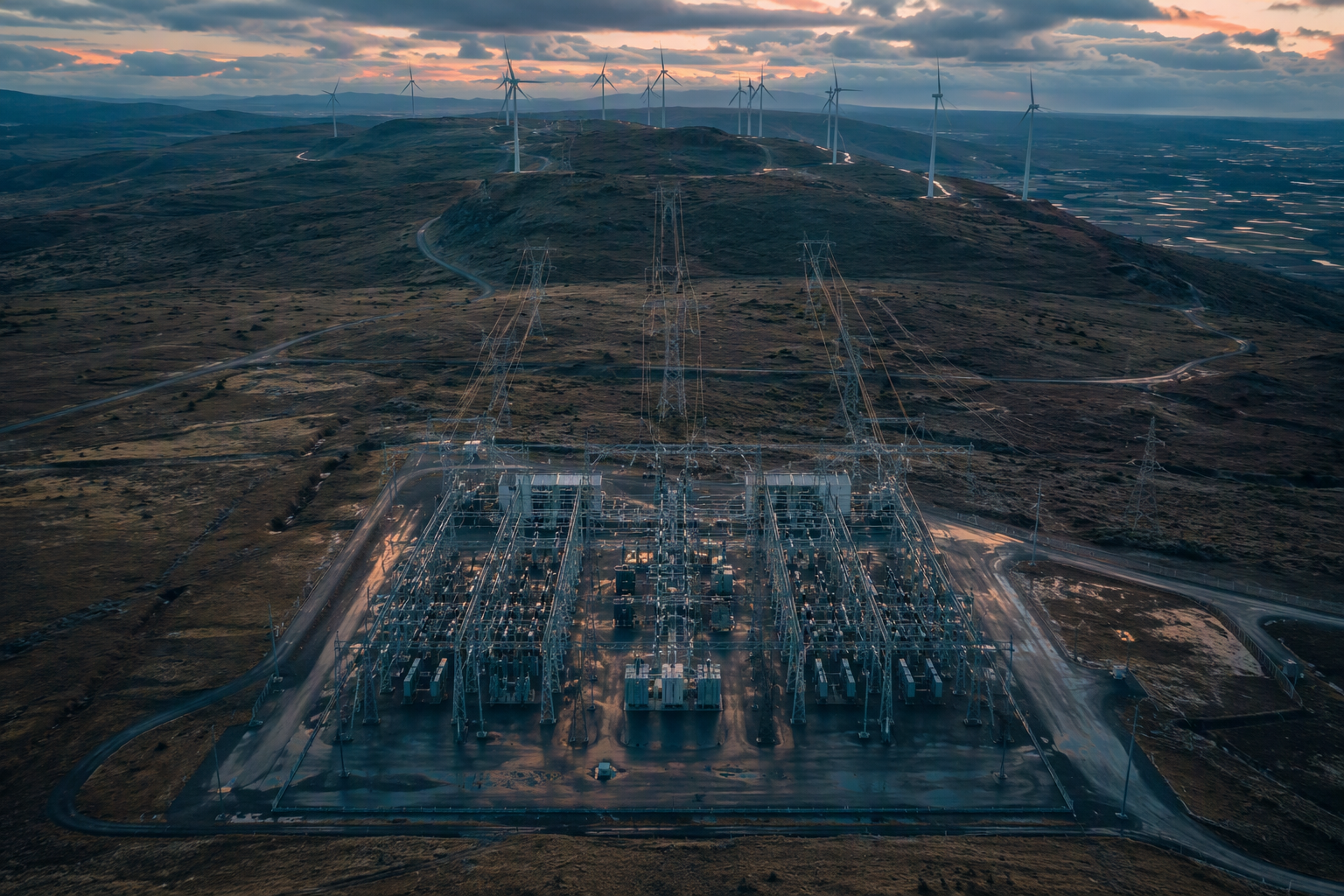
This widens the opportunity for suppliers of transformers, inverters, cables, batteries, power electronics and energy-management software. It also increases the relevance of hybrid projects that use existing generation sites and grid connections.
Background
Austria’s Economy and Energy Ministry is considering a solar-support approach that gives greater weight to batteries, energy management and grid integration, ICCI says. Initial findings from a ministry-commissioned study indicate that up to 8 GW of market-led battery capacity could be economically beneficial by 2030. The figure is an estimate of potential, not a confirmed national target.
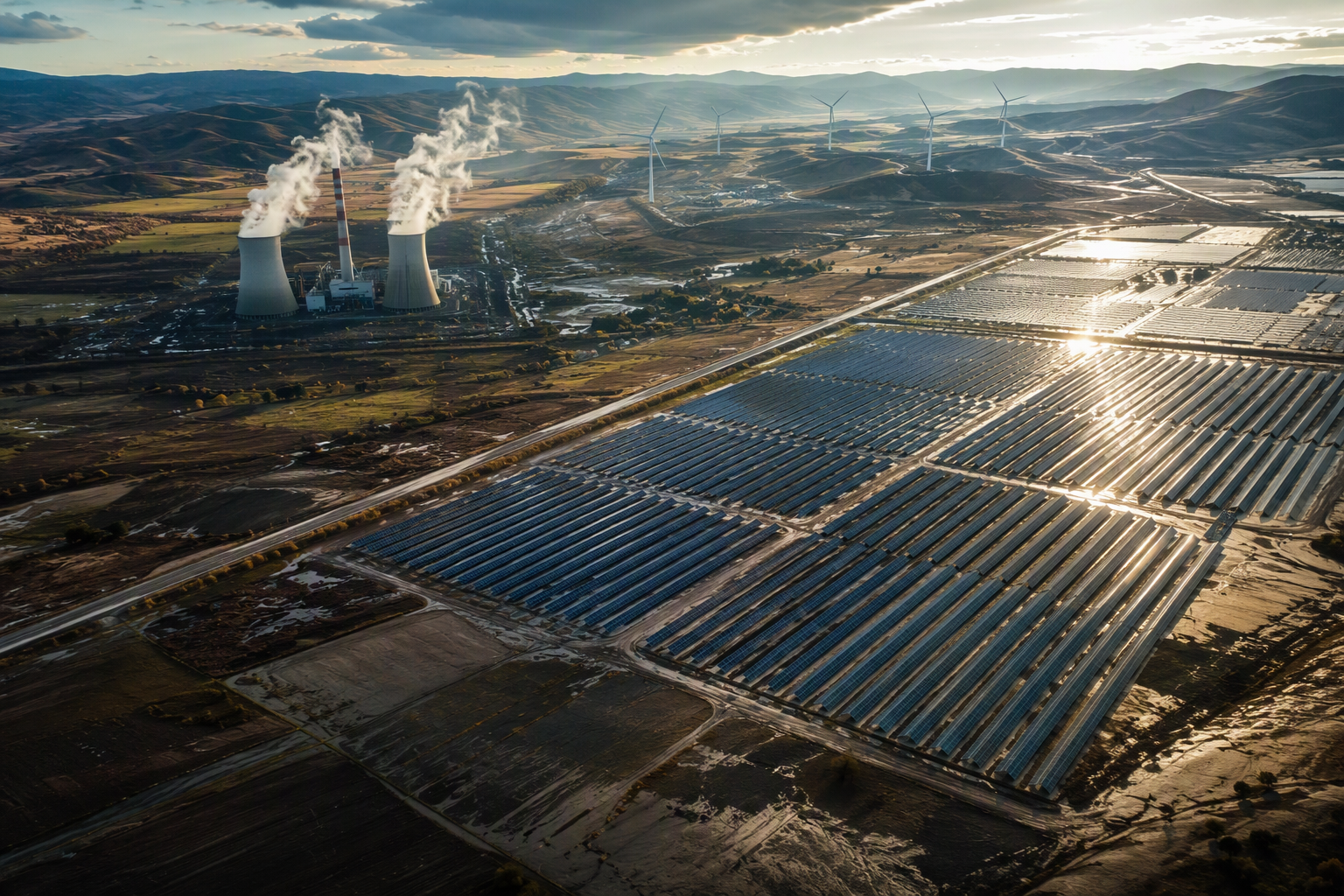
In Türkiye, ASUNIM has commissioned a 7.79 MWp auxiliary solar project at Akenerji’s 904 MW Erzin combined-cycle gas plant. The company says it has delivered more than 150 MW of hybrid solar projects integrated with wind, hydro and gas facilities.
Battery manufacturing is also scaling up. LG Energy Solution has started production at its Lansing, Michigan plant, which is planned to exceed 35 GWh of annual capacity at full output. The site will make lithium iron phosphate cells for storage systems and nickel manganese cobalt cells for electric vehicles.
What's next
ICCI will hold its 30th International Energy and Environment Fair and Conference in Istanbul on 20–22 January 2027. The event is set to cover renewable generation, storage, grid and transmission technologies, electric equipment, digital energy, hydrogen and e-mobility.
No timetable was given for Austria’s potential storage-policy changes. ICCI’s account instead signals a broader investment shift: projects will increasingly need to combine generation, storage, network capacity and demand management.