What happened
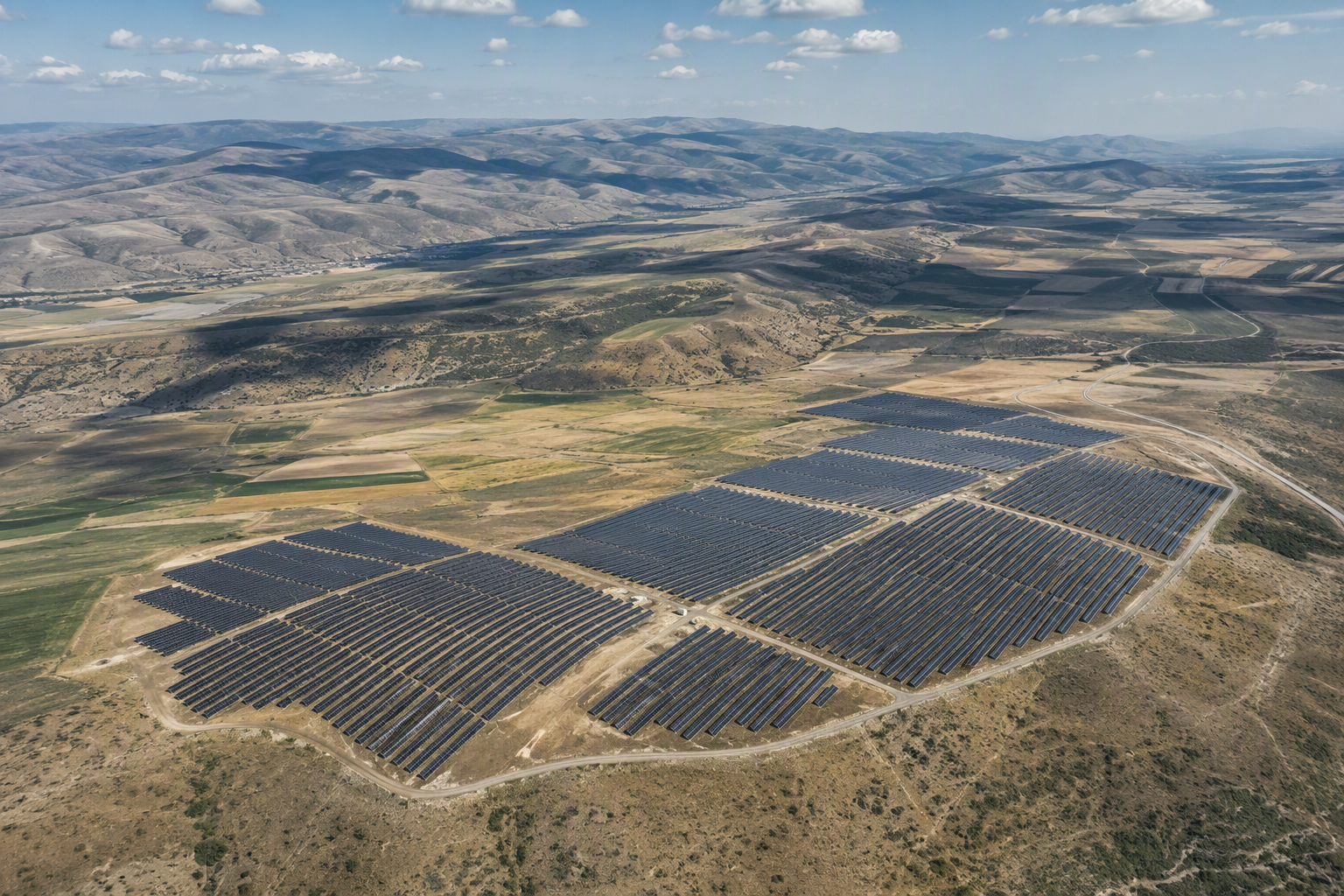
Türkiye’s Ministry of Environment, Urbanisation and Climate Change says solar power now accounts for 90% of electricity used by its central organisation, main campus and buildings in Gölbaşı, Ankara. The increase follows the start of generation at a 4.5 MW solar plant in Elmadağ.
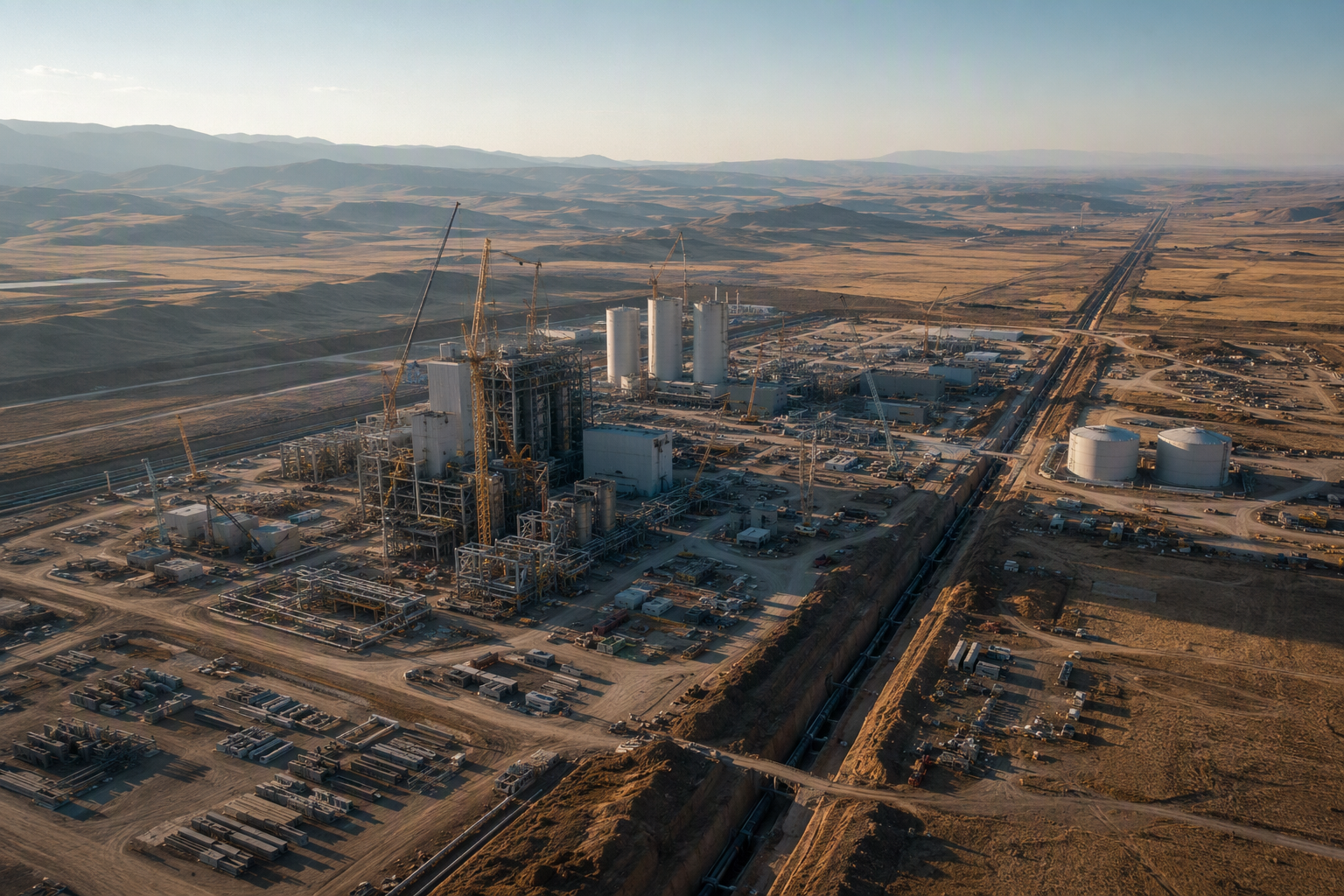
According to the ministry, the Elmadağ facility entered operation at the end of June after a two-year build. Minister Murat Kurum said the plant uses 7,584 solar panels. The ministry reports 4.9 MW of installed solar capacity across its portfolio.
Its earlier renewable-energy investment was a 700 kW solar installation above an open car park at the ministry campus, commissioned in 2017. Before the Elmadağ project began operating, that installation had lifted the ministry’s renewable electricity share to 14%.
The disclosed next step is work on solar or wind generation for the electricity use of the ministry’s 81 provincial directorates. The ministry has not published a delivery timetable or capacity target for those potential projects.
Why it matters
The announcement shows a Turkish public body using a combination of campus-based and separate-site solar assets to cover a substantial share of building electricity demand. The ministry says the shift is intended to reduce its carbon footprint and make longer-term use of public funds more efficient.
For sustainability and energy managers, the development is relevant as an example of a phased approach: a smaller car-park installation preceded a larger solar project intended to serve a wider set of buildings. However, the ministry’s announcement does not provide generation volumes, emissions reductions, project costs or information on the contractual arrangements behind the electricity supply.
What to watch
Attention will now turn to whether the ministry publishes project details for its provincial network, including the balance between solar and wind, site selection, capacity and implementation dates. Such disclosures would clarify how far the approach can be extended beyond the Ankara properties already covered.
The ministry’s account of the project is available from the Ministry of Environment, Urbanisation and Climate Change.