What happened
Türkiye’s rooftops could accommodate about 120 GW of solar photovoltaic capacity, according to an International Energy Agency energy-policy review cited by GENSED. If that potential were fully used, rooftop systems could provide 45% of the country’s electricity demand.
İzmir, İstanbul and Ankara have the largest rooftop solar potential, the report found. Distributed systems can spread generation across more locations, reducing reliance on a centralised system.
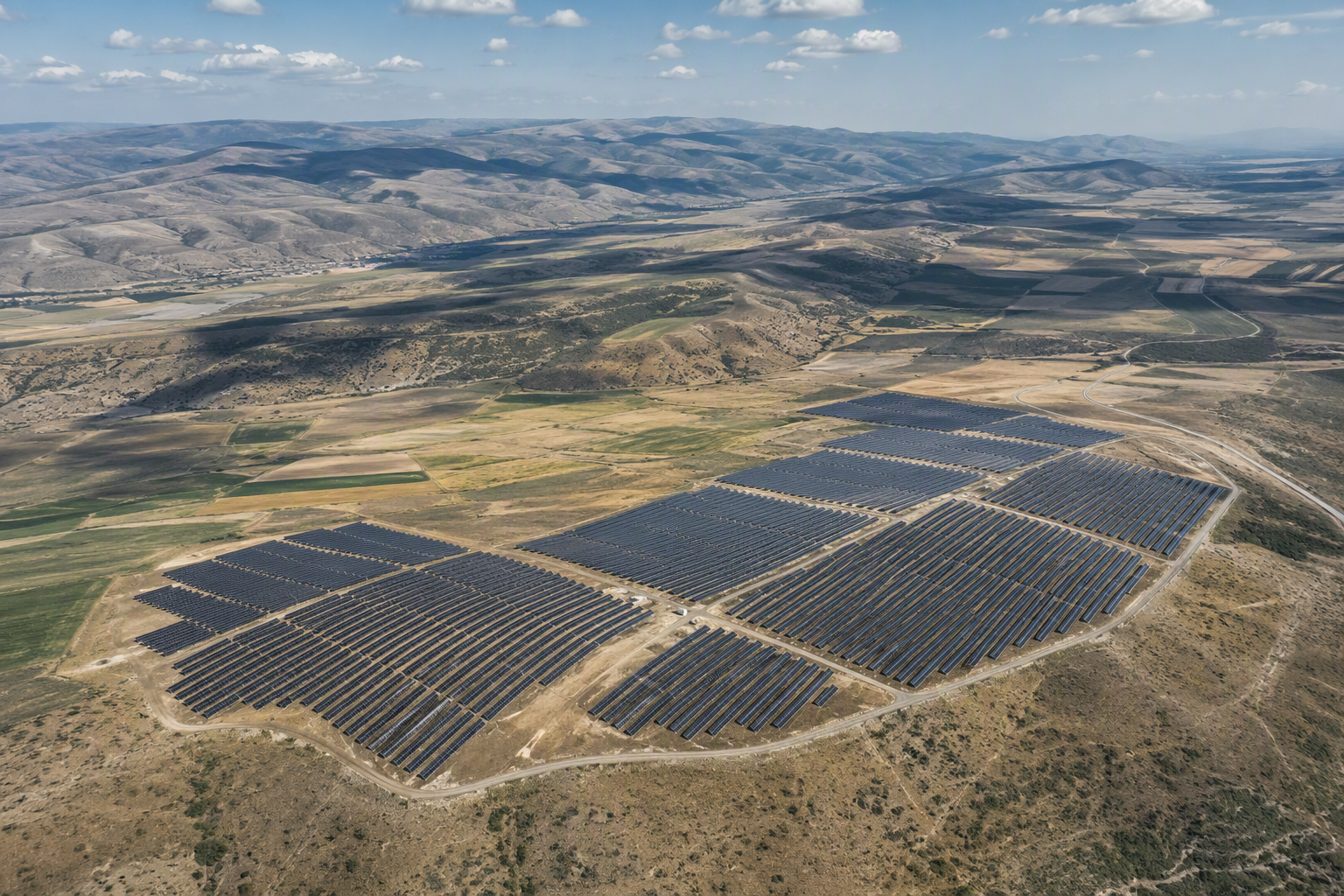
At the end of 2025, solar photovoltaic installations accounted for about 23 GW, or 97%, of Türkiye’s unlicensed electricity-generation capacity. The framework for unlicensed generation has supported rooftop installations, particularly in homes and agriculture.
Why it matters
Rooftop generation could enable consumers to produce more of their own electricity and reduce demand on the grid. It could also help sustain some electricity supply after disruptions to central infrastructure, including those caused by natural disasters.
However, deployment remains constrained by connection capacity and administrative procedures. The process from application to installation can extend to 27 weeks and, according to GENSED Secretary-General Hakan Erkan, some rooftop projects face permitting periods of eight months to one year.
For businesses, households and installers, the findings point to the importance of grid infrastructure, available financing and simpler connection rules. GENSED has also proposed a new connection arrangement for self-consumption projects to the ministry.
Background
Türkiye introduced monthly net metering in 2019. It allows residential solar users to sell surplus electricity at consumer tariff rates.
The energy-system roadmap cited in the report aims to add 35 GW of flexible resources: 10 GW of rooftop solar paired with storage, 10 GW of utility-scale storage, 5 GW of grid-management capacity and 10 GW of demand-side management.
What's next
Legal amendments adopted on 24 July 2025 opened a route to reduce permitting for wind and solar plants from about 48 months to 18 months. Further improvements to applications, along with rooftop-solar requirements for new and public buildings, were identified as potential measures to support Türkiye’s energy goals.