What happened
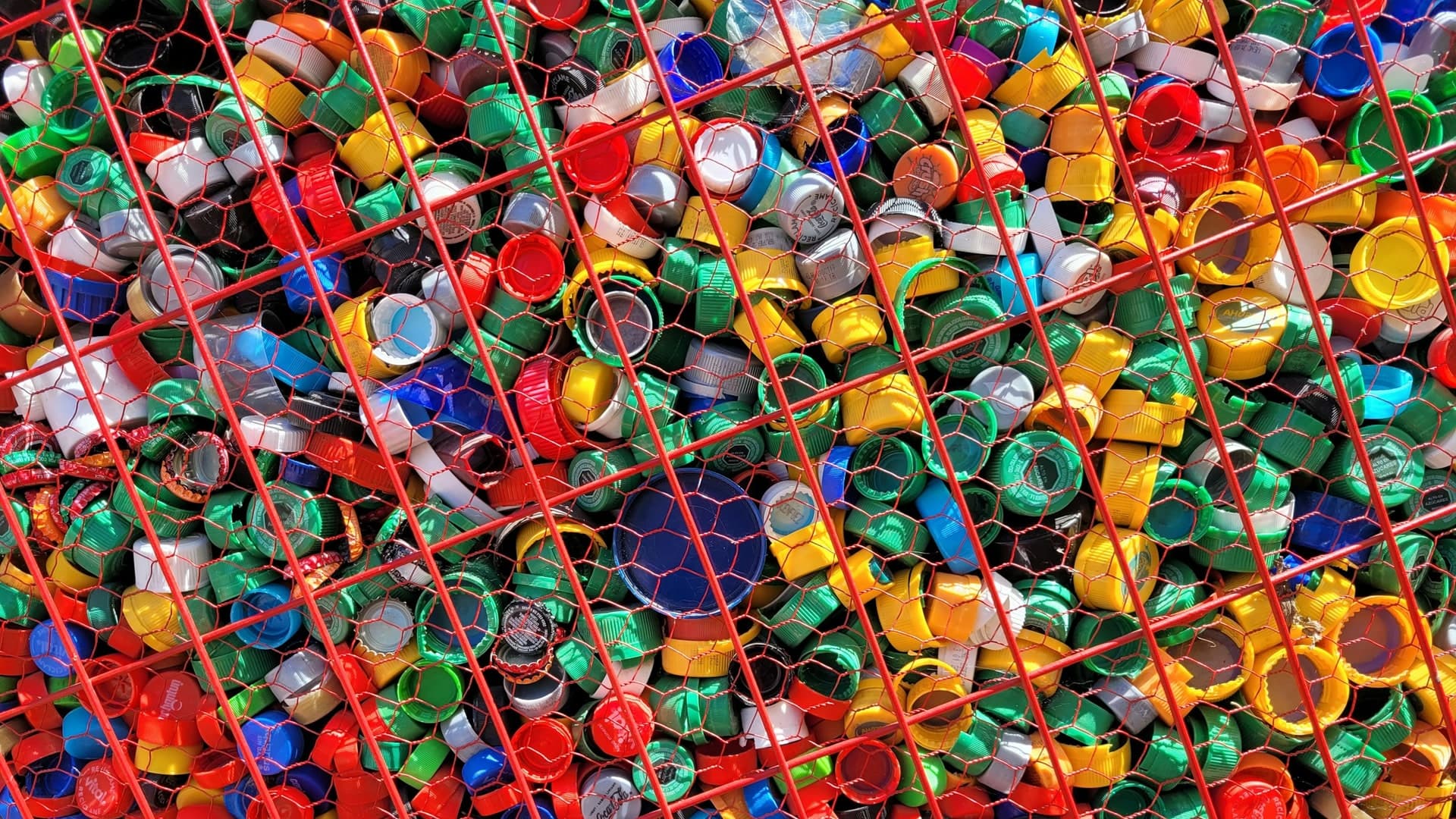
Türkiye’s Ministry of Environment, Urbanisation and Climate Change reported that the country’s DOA deposit system had received 205,709,303 labelled beverage packs by 5 September 2026. The figure covers PET, aluminium and glass containers collected from 1 July, when the programme entered national integration.
The ministry said 3,214,992 people had registered with the system over that period. DOA forms part of Türkiye’s Zero Waste initiative and is coordinated by the ministry, while the Turkish Environment Agency administers the scheme.
Antalya recorded the highest number of returned packs, at 46,678,972. Istanbul followed with 38,675,928, ahead of İzmir on 24,339,288, Adana on 18,723,778 and Ankara on 16,712,516.
Why it matters
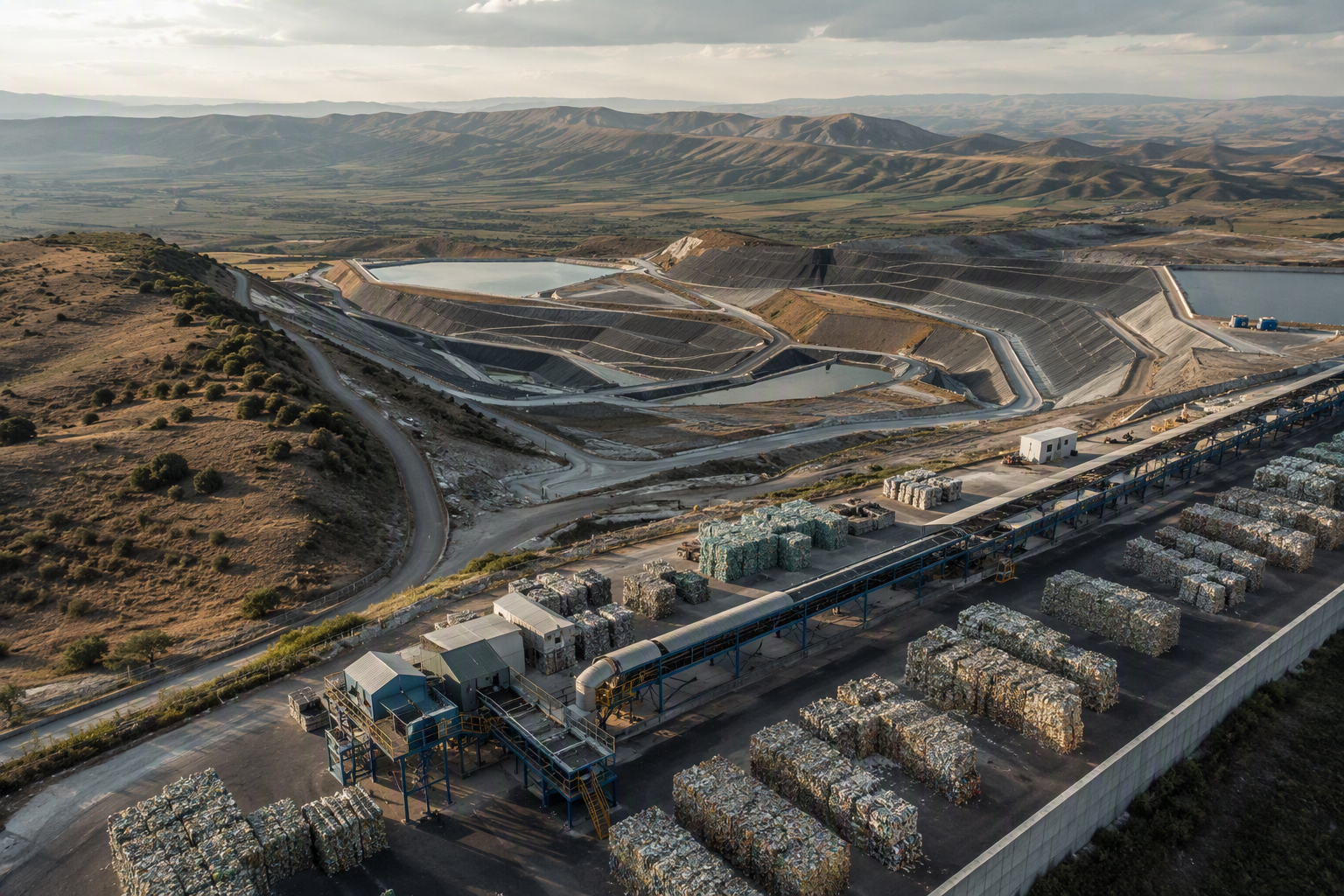
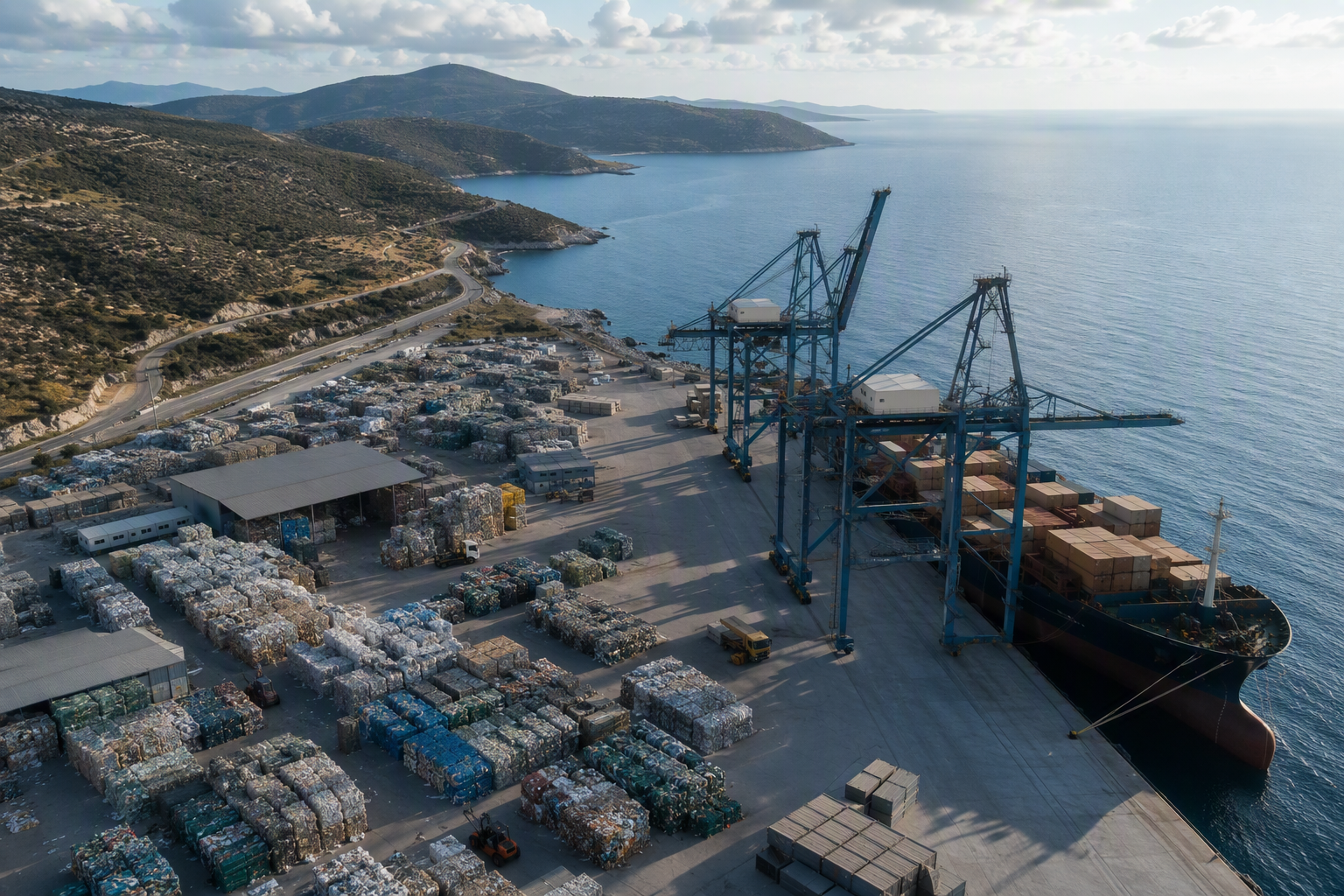
The programme channels used beverage packaging to dedicated DOA machines rather than disposal routes. According to the ministry, the recovered material supports the domestic economy as a raw-material input, while the system is also designed to prevent plastic entering the environment.
Users are paid TL1 for every container returned through the scheme. For packaging, recycling and waste-management stakeholders, the reported volumes offer an early measure of participation following the start of national integration. The provincial results also show that returns are concentrated in several large collection markets, led by Antalya and Istanbul.
The ministry has set an annual ambition of 25 billion containers collected through DOA. It has also stated a target of TL30 billion in economic contribution from the system.
What to watch next
The next reported collection data will show whether return volumes continue to rise as the national system develops. Stakeholders can compare subsequent results with the ministry’s annual 25-billion-container objective and its stated TL30 billion economic target.
The current data cover only containers carrying the DOA logo and identify PET, aluminium and glass as the included materials. The ministry’s announcement does not provide a separate breakdown of returns by material type, machine location or user activity.