What happened
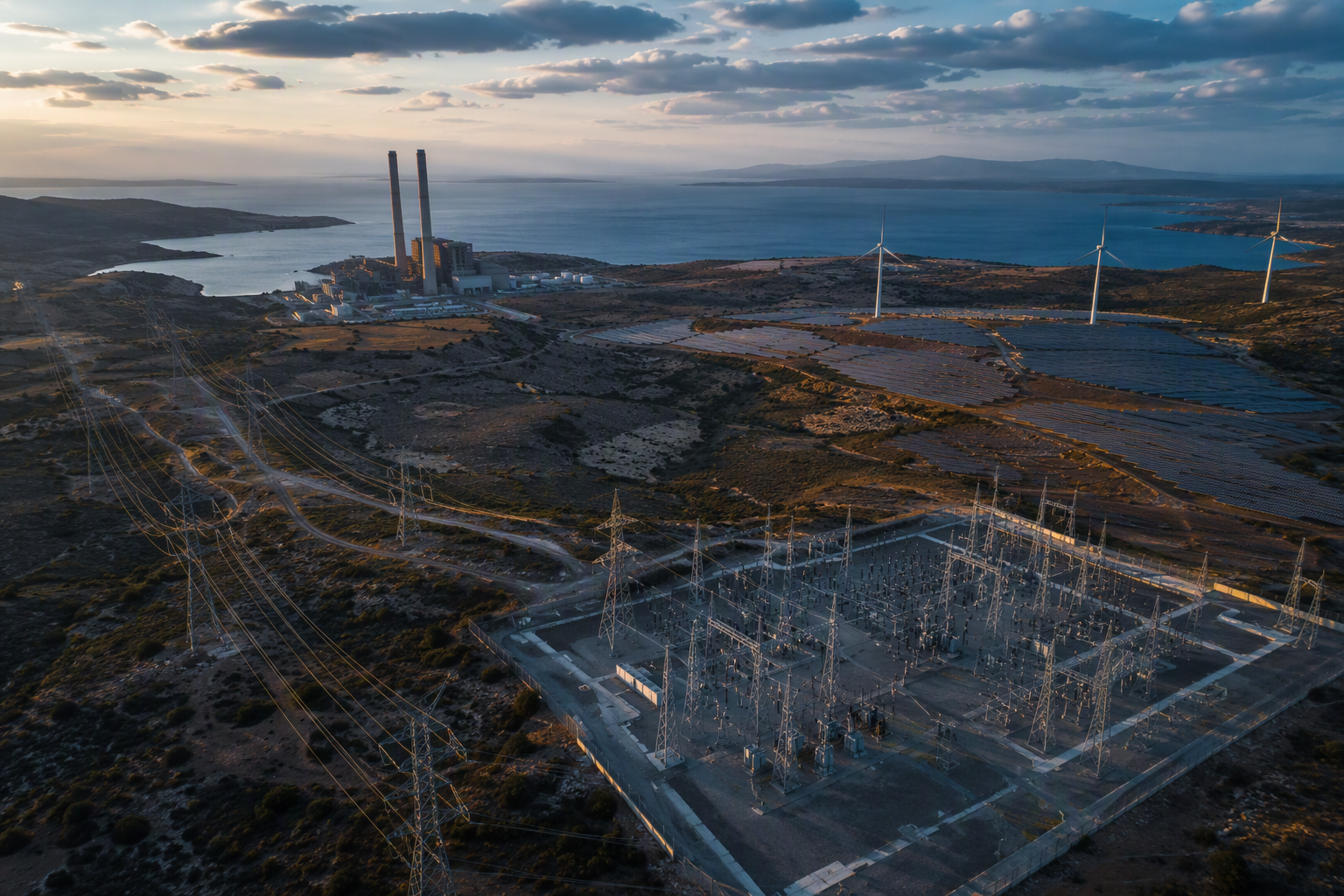
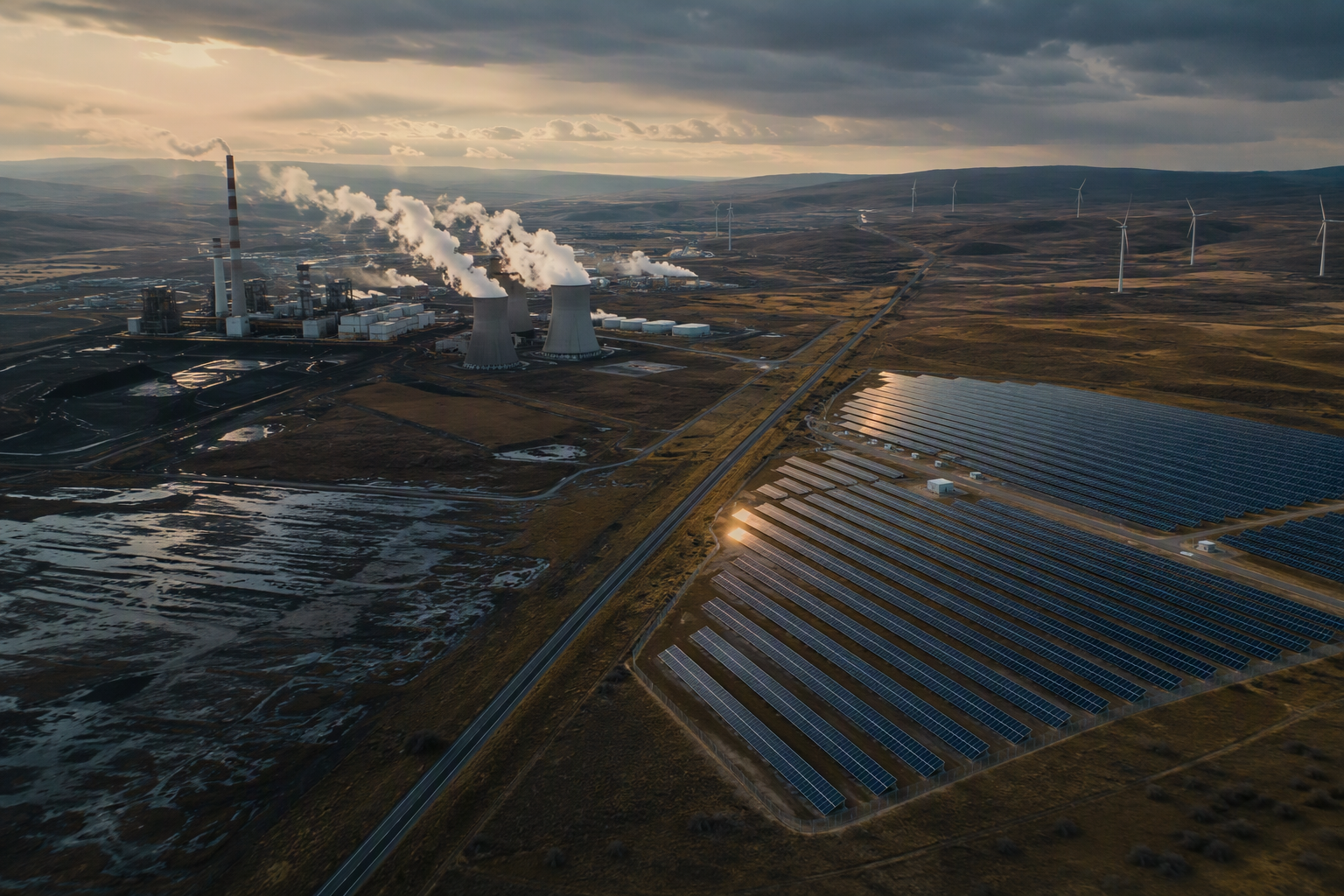
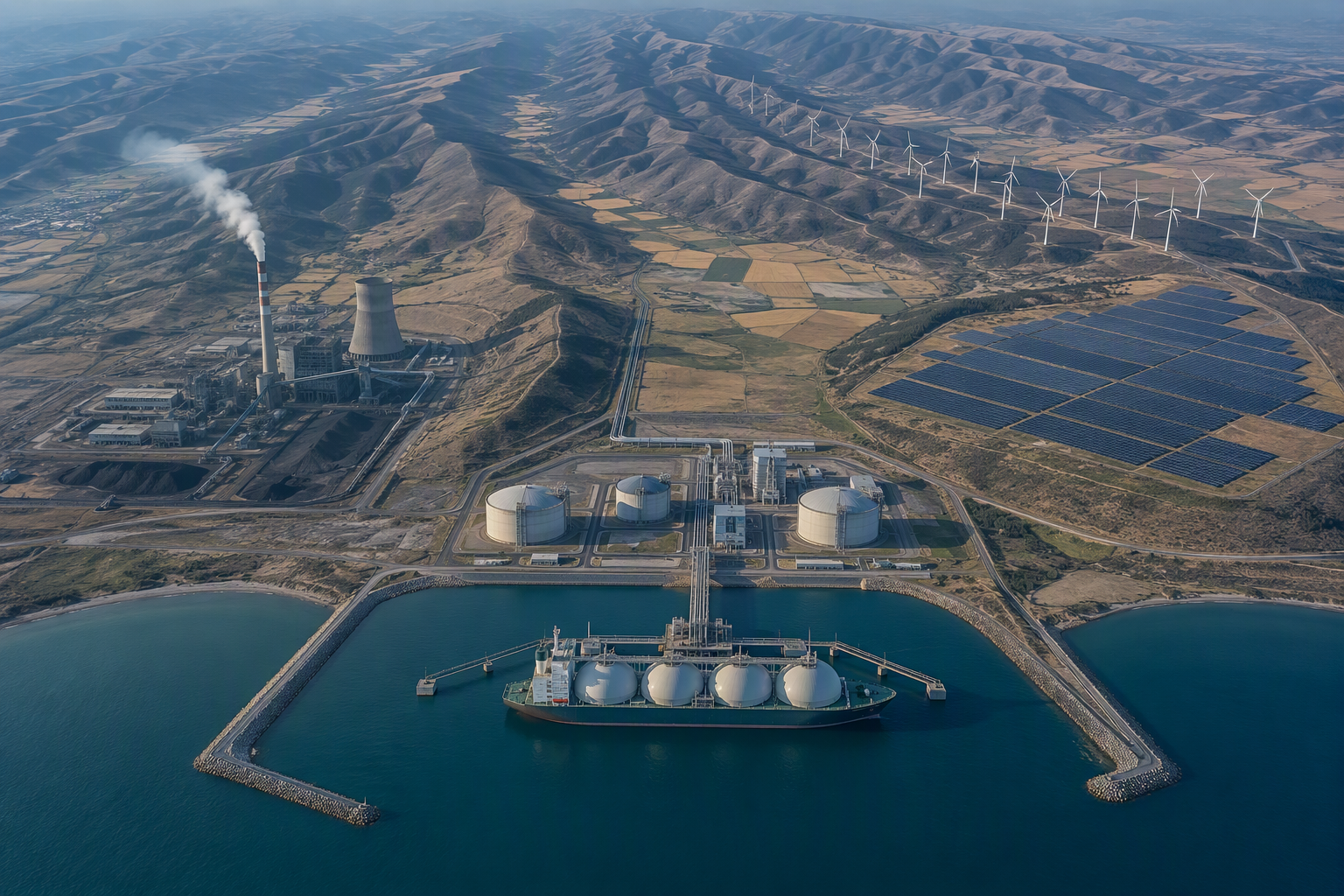
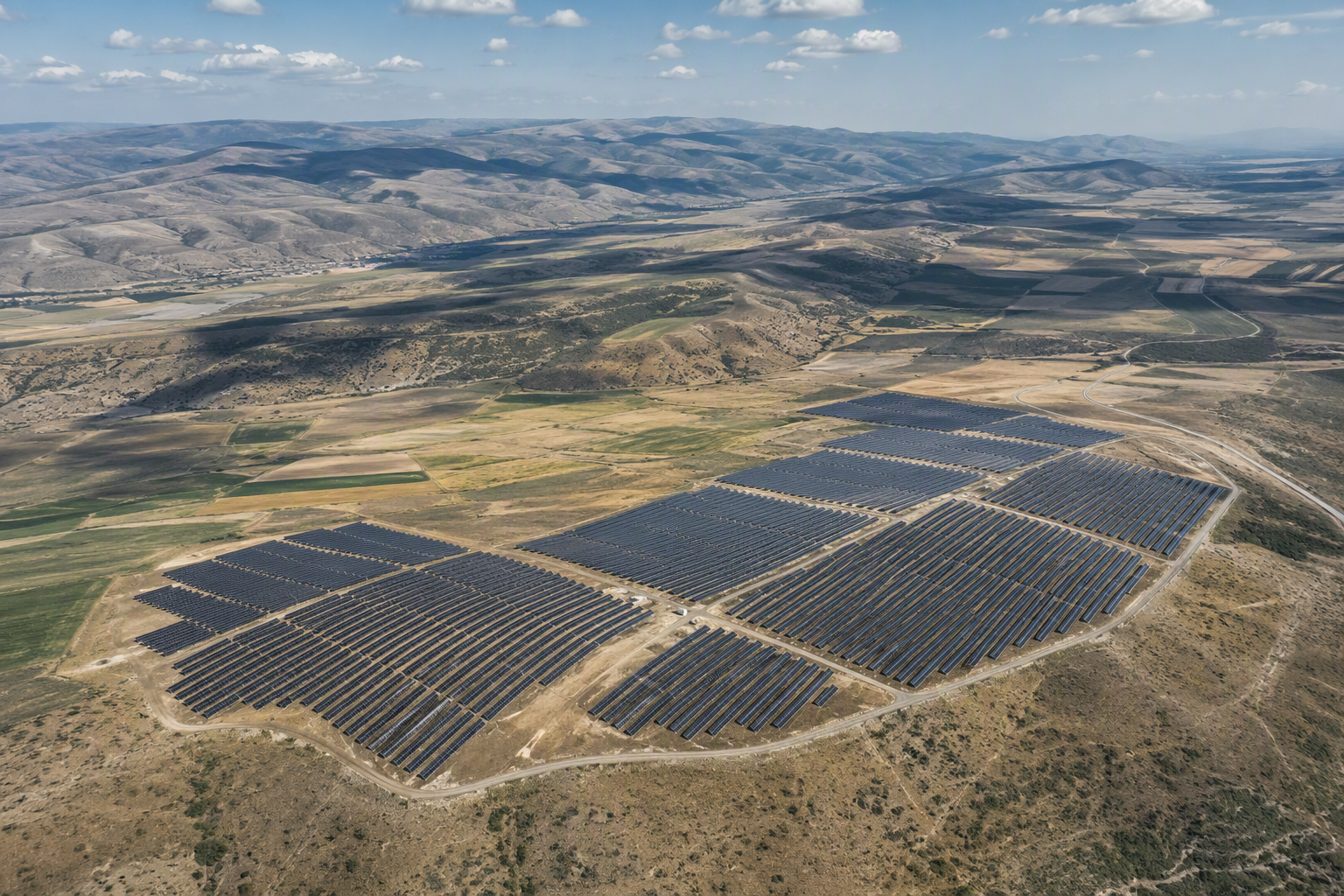
Türkiye recorded a 1.1 TWh increase in solar electricity generation in June 2026 compared with June 2025, according to International Energy Agency monthly electricity data reported by Enerji Günlüğü. That put Türkiye second among the OECD Europe countries listed for annual solar-generation growth.
Spain was first, with solar output up 1.5 TWh from a year earlier. France registered the same 1.1 TWh increase as Türkiye. The ranking is based on absolute changes in electricity generated from solar, rather than percentage growth rates.
Net electricity production across OECD Europe totalled 285.1 TWh in June 2026. This was 9.4 TWh higher than in the corresponding month of 2025. Solar was the source with the largest increase in generation, rising by 7.6 TWh, or 13.5% year on year, to 64.0 TWh.
Why it matters
Solar accounted for 22.5% of OECD Europe’s electricity output during the month, its highest reported proportion. It also remained the generation source making the biggest contribution to the region’s total electricity production in June.
The country comparison places Türkiye among the three markets with the largest absolute year-on-year additions to solar generation for the period. For readers assessing monthly power-market trends, the figures distinguish growth in generated electricity from installed solar capacity: they describe output in one month against the same month a year earlier.
The regional total also provides context for Türkiye’s result. Its 1.1 TWh increase was part of a 7.6 TWh rise in OECD Europe solar generation, while overall regional net electricity production increased by 9.4 TWh.
What's next
The reported comparison is limited to June 2026 and June 2025. Readers should therefore use it as a monthly year-on-year indicator rather than a measure of full-year generation performance.
The IEA’s Monthly Electricity Statistics cover electricity generation and trade for OECD members, while also including generation data for selected other economies. Future monthly releases can show whether the June pattern persists across subsequent periods.