What happened
The World Nuclear Industry Status Report 2026 was launched in Istanbul at an event hosted by Friedrich-Ebert-Stiftung, Heinrich-Böll-Stiftung, Ekosfer and WNISR/Mycle Schneider Consulting. The report’s central reactor tally shows 104 units beginning operation globally in the past two decades, compared with 106 permanent closures.
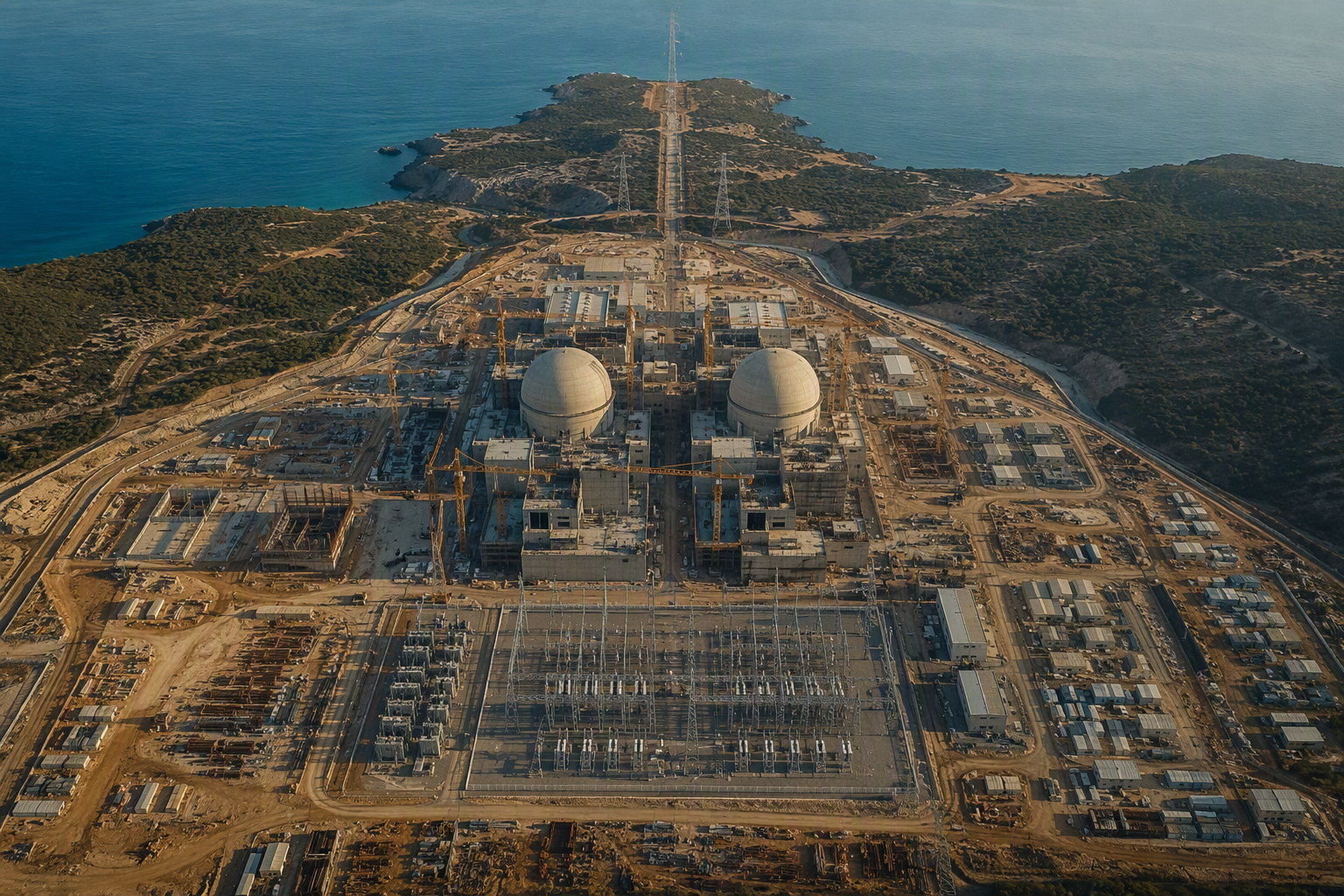
On the report’s figures, removing China from the comparison produces a net decline of 55 reactors during the same period. For 2025, it records 12 construction starts worldwide: nine in China and two in Russia. Of 13 reactor start-ups expected at the beginning of the year, four entered operation; seven reactors were closed.
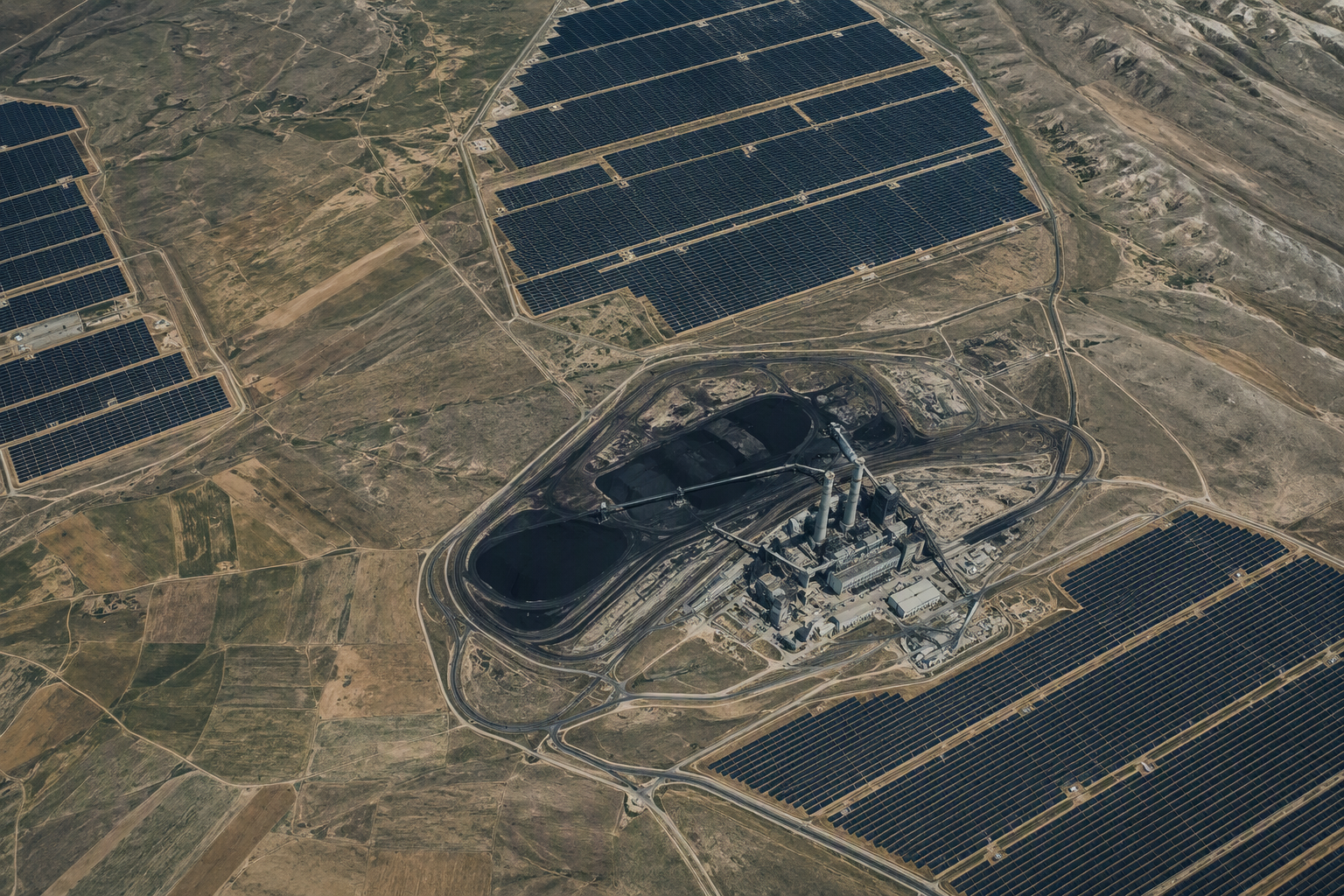
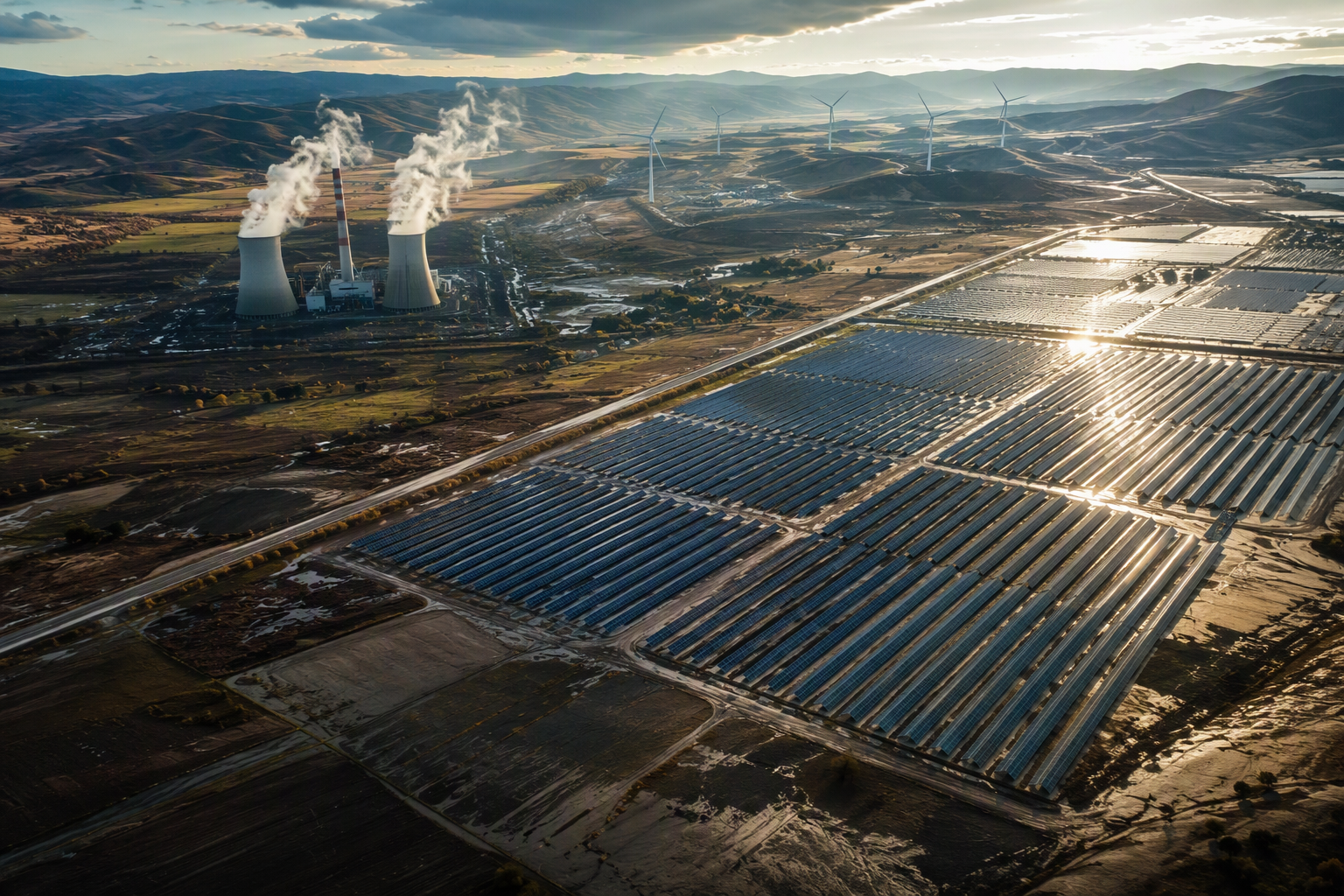
WNISR reported that global nuclear electricity output rose 1.1% in 2025. It attributed the increase to a 7.6% rise in Chinese nuclear generation, while output beyond China fell. The report also states that combined wind and solar generation exceeded nuclear output by more than twofold.
Why it matters
The figures provide a comparative input for electricity-system planning, investment analysis and project-risk assessment in Türkiye and Europe. They show that the reported increase in nuclear generation during 2025 was concentrated in China, rather than reflecting growth across the rest of the world.
WNISR puts average annual growth in electricity generation at 1% for nuclear, 8% for wind and 30% for solar. It further reports that new solar capacity added in China in the prior year was 120 times the country’s nuclear-capacity increase. These comparisons are relevant when assessing expected generation, construction delivery and the scale of alternative supply options.
The source material identifies no new nuclear policy, regulatory obligation or investment scheme for Türkiye or the EU. Readers considering nuclear projects should therefore treat the report as a data source for scenario testing rather than as evidence of a new requirement.
What to watch
The report covers reactor operations, output, fleet age and construction, alongside nuclear and renewable-energy deployment. Its 2025 start-up and closure data will be relevant to future assessments of whether planned reactor completions translate into operating capacity.