What happened
WWF-Türkiye used International Vulture Awareness Day, held on 5 September, to draw attention to the ecological role of vultures and to encourage public participation in wildlife recording.
The organisation asked people to use its Gözüm Doğada mobile app to register species they encounter in nature. It said these observations can build species records and that the resulting data may be shared with relevant institutions and researchers for conservation work.
Vultures feed on animal carcasses. WWF-Türkiye says their digestive systems can neutralise disease-causing organisms, helping to keep ecosystems functioning. The source also cites an estimate for the Americas that vultures prevent around 12 million metric tonnes of carbon dioxide equivalent emissions each year by consuming carcasses before decomposition.
Why it matters
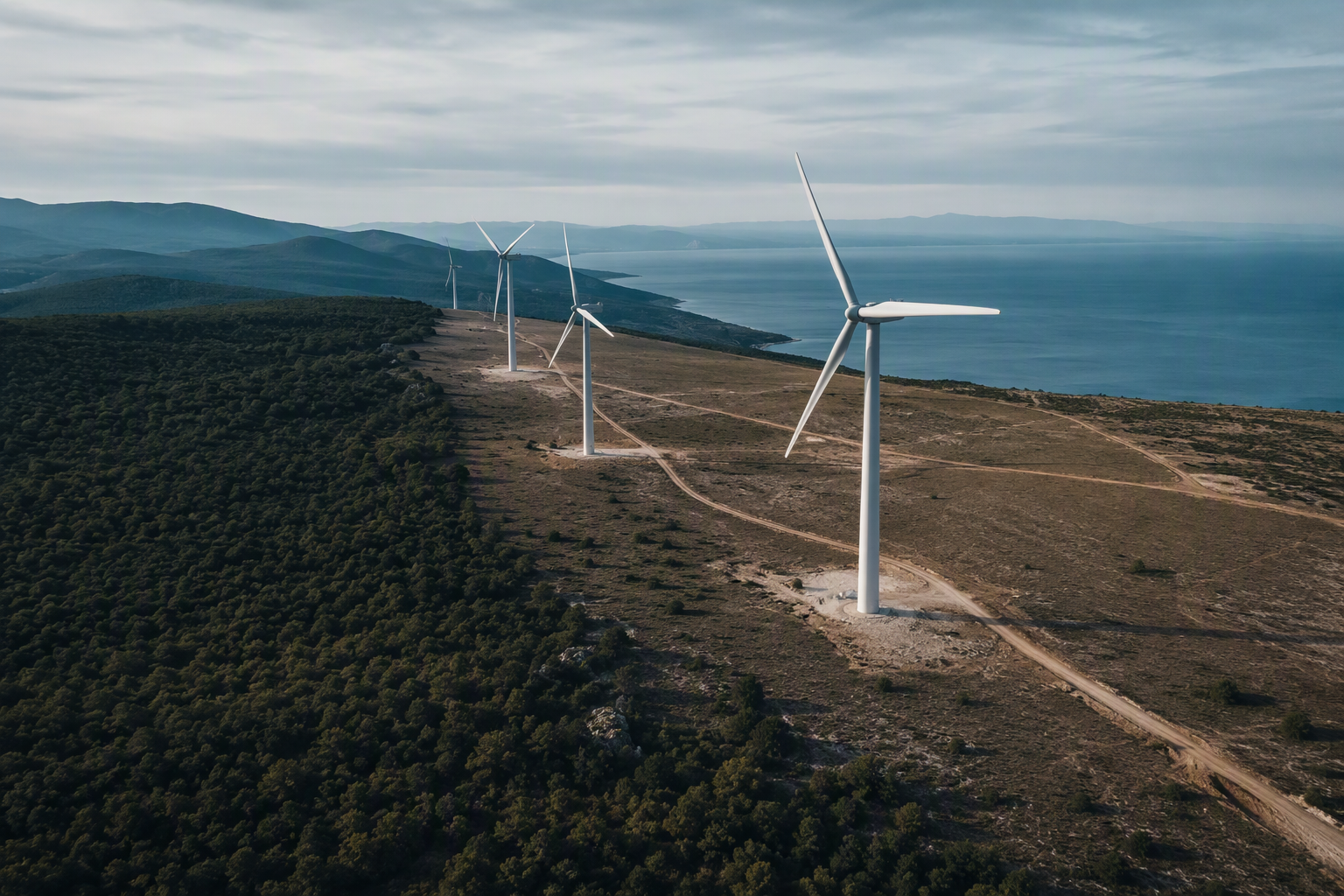
Türkiye has four vulture species: the cinereous vulture, griffon vulture, bearded vulture and Egyptian vulture. Their conservation has relevance for land use and energy infrastructure because habitat degradation, electricity networks and wind turbines are identified among the pressures affecting these birds.
The reported threats also include poisoned bait, veterinary medicines used for livestock, agricultural chemicals, lead poisoning, illegal hunting and declining food availability. The Egyptian vulture is described as globally threatened.
For businesses involved in power networks, wind generation, farming or land development, the material highlights the interaction between infrastructure and wildlife. It does not set out any regulatory requirement or mitigation deadline.
Background
The cinereous vulture is the largest vulture found in Türkiye, with a wingspan of 250–310 cm and a weight of 6.3–11.5 kg. The griffon vulture has a 230–280 cm wingspan and weighs 6.2–10.5 kg. Bearded vultures mainly eat bones, while the smaller Egyptian vulture nests on rocky sites.
What's next
WWF-Türkiye is inviting citizens to record wildlife observations through Gözüm Doğada. The organisation says this citizen-science data can help improve knowledge of species and support future conservation activity.