What happened
Türkiye’s Council of State has halted implementation of Article 20 of the Industrial Emissions Management Regulation following a case brought by the Clean Air Right Association.
The provision allowed the Ministry of Environment, Urbanisation and Climate Change to grant large combustion plants exceptions from requirements intended to reduce releases to air, water and soil. The regulation entered into force in January 2025 and requires energy and industrial operators to use the best available techniques in their sector, remain within pollution limits and obtain a green transformation certificate for industry in order to continue operating.
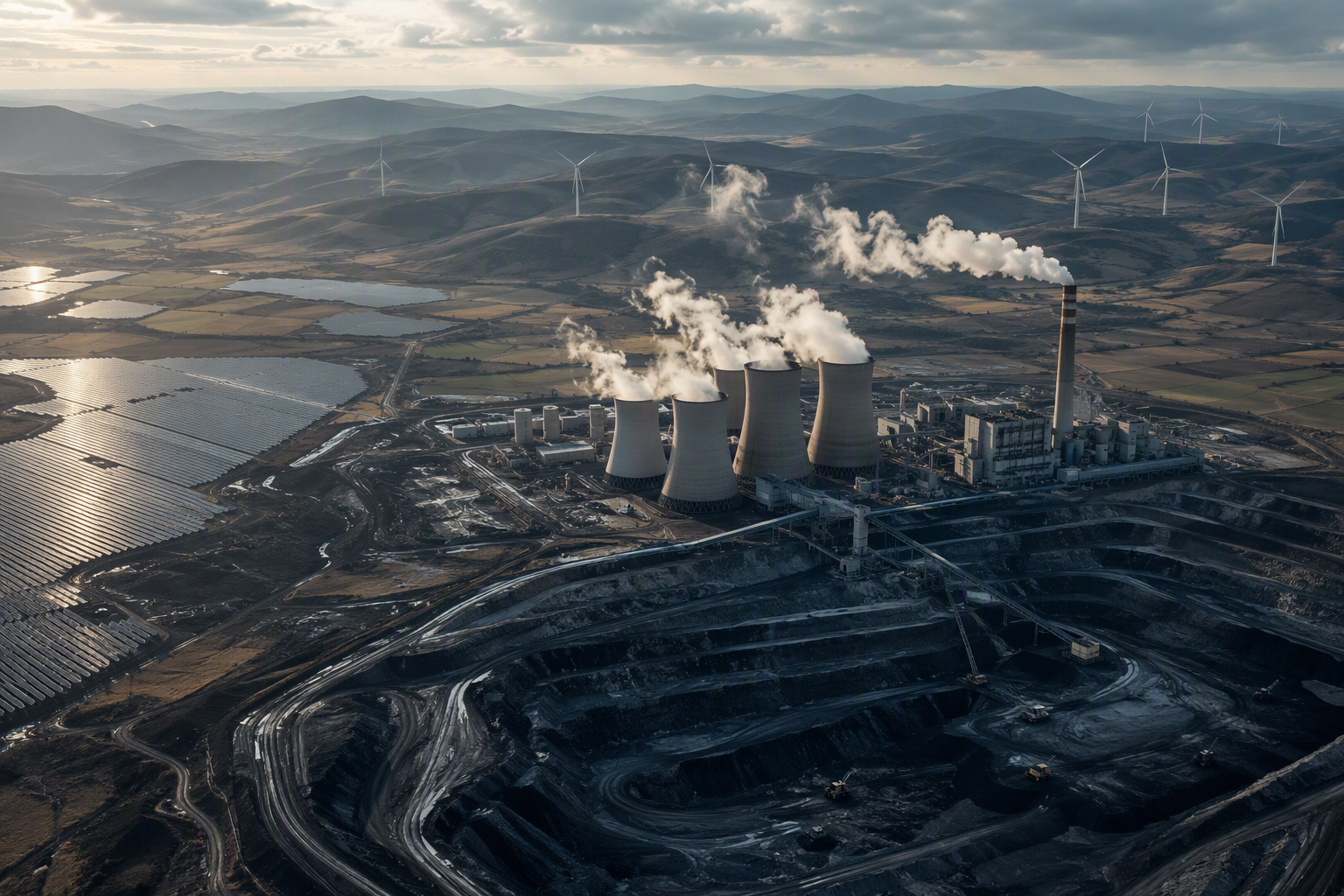
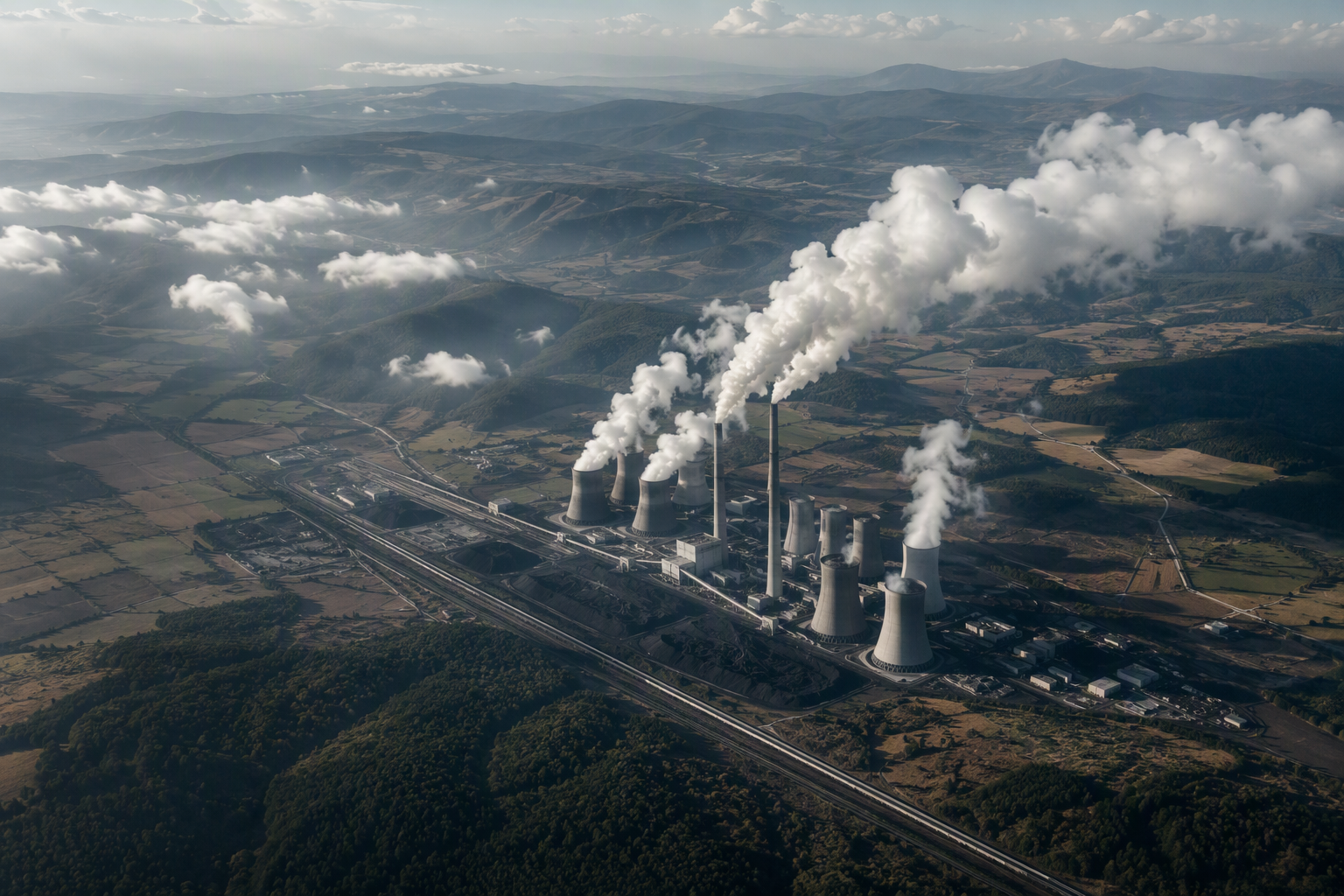
Large combustion plants are defined as installations with a capacity of 50 MW or above that burn solid, liquid or gaseous fuels to generate electricity or heat. This includes fossil-fuelled thermal power stations and major industrial sites such as iron and steel works and cement factories.
The court found that the exemption power lacked defined limits, conditions and duration. It also concluded that applying the provision could cause harm that would be difficult or impossible to remedy.
Why it matters
The suspension prevents the Ministry from using the disputed rule to set aside pollution-prevention requirements for the largest fossil-fuelled facilities without pre-set conditions or a time limit. For affected energy and industrial businesses, compliance planning will therefore continue to centre on the regulation’s technical standards and emissions thresholds.
The Association said Türkiye has 169 large combustion plants, with combined thermal input above 64 million MWth. It said their share of industrial pollutant emissions varies by pollutant, from 36.8% to 84%.
Background
The regulation’s underlying EU directive permits limited derogations in exceptional cases, such as severe interruptions in the supply of certain fuels. The challenged Turkish provision did not specify comparable circumstances or a closing date for exemptions.
What's next
The ruling does not make existing plants immediately subject to all new requirements. Their transition periods remain in place and run, depending on their compliance status, until the end of 2028 or the end of 2030. The decision means that, once those periods end, the suspended provision cannot be used to provide open-ended exemptions from the pollution standards.