What happened
Türkiye’s Council of State has held a hearing on an application seeking to overturn a presidential decision authorising emergency acquisition in the Akbelen area. The case was heard by the court’s Sixth Chamber and concerns olive groves and agricultural land across the boundaries of seven villages.
According to Akbelen lawyer İsmail Hakkı Atal, the decision was issued on 9 January 2026 and covers 679 land parcels. The annulment action challenges the decision in relation to 104 of those parcels.
At the hearing, a Council of State prosecutor gave an opinion that the acquisition decision was in the public interest, Atal said. That opinion is part of the proceedings and does not constitute the chamber’s judgment.
The immediate development for landholders and other interested parties is therefore procedural rather than final: the case has been heard, but the legal status of the contested parcels awaits the court’s decision. Parties connected to the sites should follow the judgment when it is published.
Why it matters
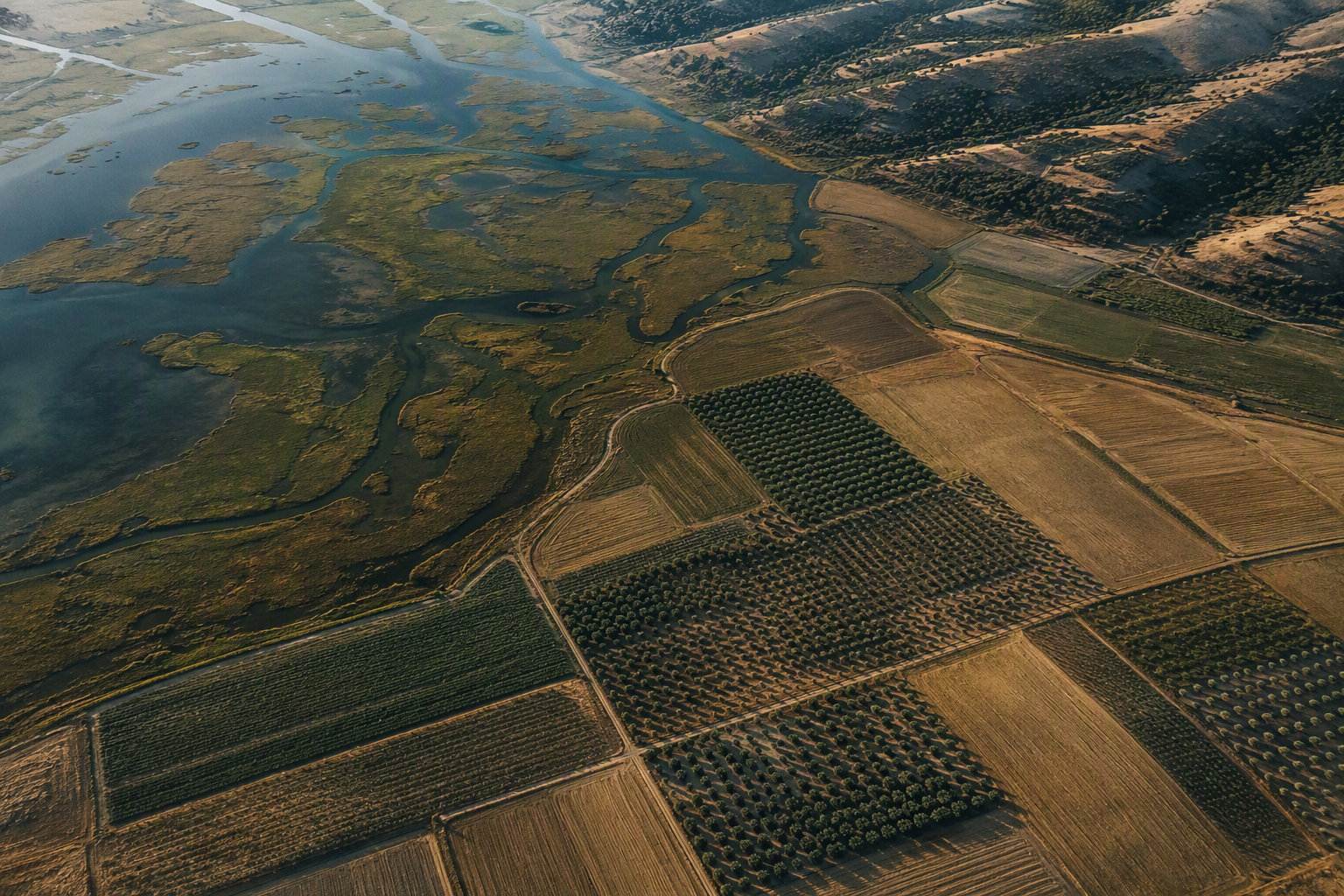
The dispute concerns land identified as olive-growing and agricultural area, placing the acquisition decision at the intersection of land use, farming and legal protections. The eventual ruling will determine whether the challenged part of the presidential decision remains in force.
Atal argued during the hearing that the public-interest basis and the authority used for it were invalid. These are the claimant side’s submissions, not findings made by the court. He also said the process for all parcels was currently paused.
For sustainability and land-use professionals, the case is relevant because it concerns the treatment of agricultural and olive lands under an emergency acquisition process. However, the available reports do not set out a final legal outcome, a new compliance requirement or a confirmed timetable for implementation.
What to watch
Atal said he expected the chamber’s decision in about 20 days, and no later than one month, following the hearing. This was an indication from the lawyer rather than a fixed court deadline.
The next material development will be the Sixth Chamber’s ruling on the annulment request. Readers should distinguish between the prosecutor’s public-interest assessment, the claimant’s legal arguments and the court’s eventual decision.
Sources: EkoIQ; İklim Haber.