What happened
Energy think tank Ember estimates that existing technologies could allow electricity to supply as much as 85% of Türkiye’s final energy consumption. The share is currently 22%.
The report identifies substantial scope across end-use sectors. It finds that building energy demand could be entirely electrified, alongside 96% of transport demand and 58% of industrial demand. Electricity’s present share is about 32% in buildings and 30% in industry, but remains below 1% in transport.
Residential heat pumps could lift the national electrification rate by 11 percentage points on their own. The analysis also says electric cars can provide equivalent mobility using less than one-third of the energy consumed today.
Each one-percentage-point rise in electrification is equivalent to either 5.7 million additional electric cars or 2.5 million households replacing fossil-fuel heating with heat pumps, according to the report.
Why it matters
Türkiye’s 22% electrification rate is close to the global and EU averages of 23%. It is above the Middle East average of 20% and Africa’s 12%, but below Asia’s 28%.
For Turkish industry, buildings and transport operators, the findings point to a need to move energy services now supplied by fossil fuels onto electricity. The report links this shift to lower reliance on imported fuels and stronger energy security. It also highlights the need for policy changes and infrastructure investment to carry renewable electricity through to final consumers.
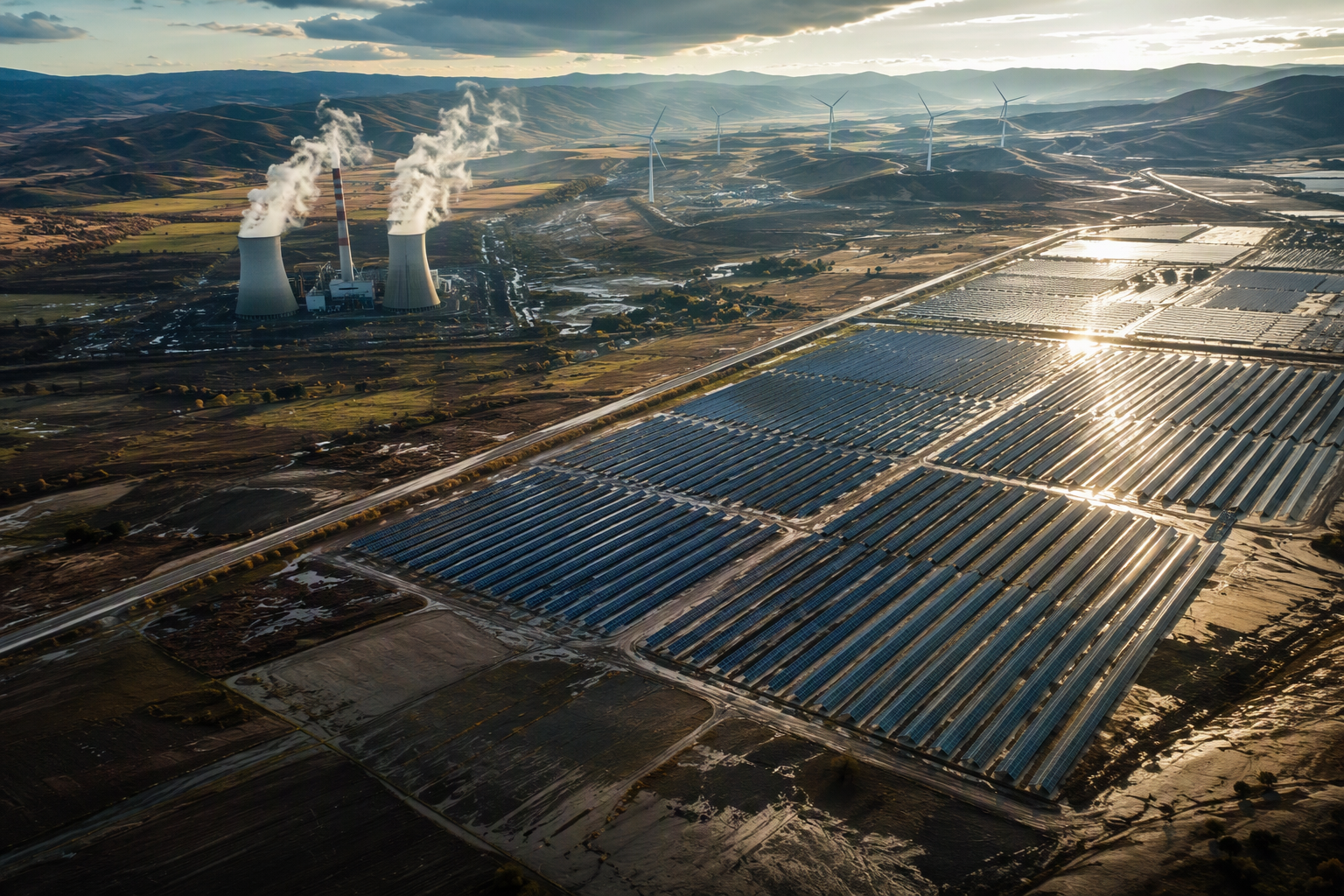
Electricity generation has moved faster than end-use electrification. Over the past decade, solar and wind increased from 4.5% to 22% of Türkiye’s power generation. Yet electricity demand has risen sevenfold since 1990, largely to meet new demand rather than displace fossil fuels. Fossil fuels have consequently retained a 70% share of final energy use for 34 years.
Background
Türkiye has set a target of reaching a 35% electrification rate by 2035 as part of its COP31 host commitments. Ember considers the target an important step towards the larger technical potential identified in its analysis.
Electrification increased by only 1.3 percentage points in the previous 11 years. Reaching 35% by 2035 would require progress at roughly ten times that pace over the next 11 years. If current trends persist, the report projects a 24% rate in 2035.
What's next
Türkiye’s 2035 target is supported by plans to triple installed wind and solar capacity, as well as an estimated 120 GW rooftop solar potential. Ember says delivery will depend on sector-specific roadmaps that advance electrification in buildings, transport and industry at the same time.