What happened
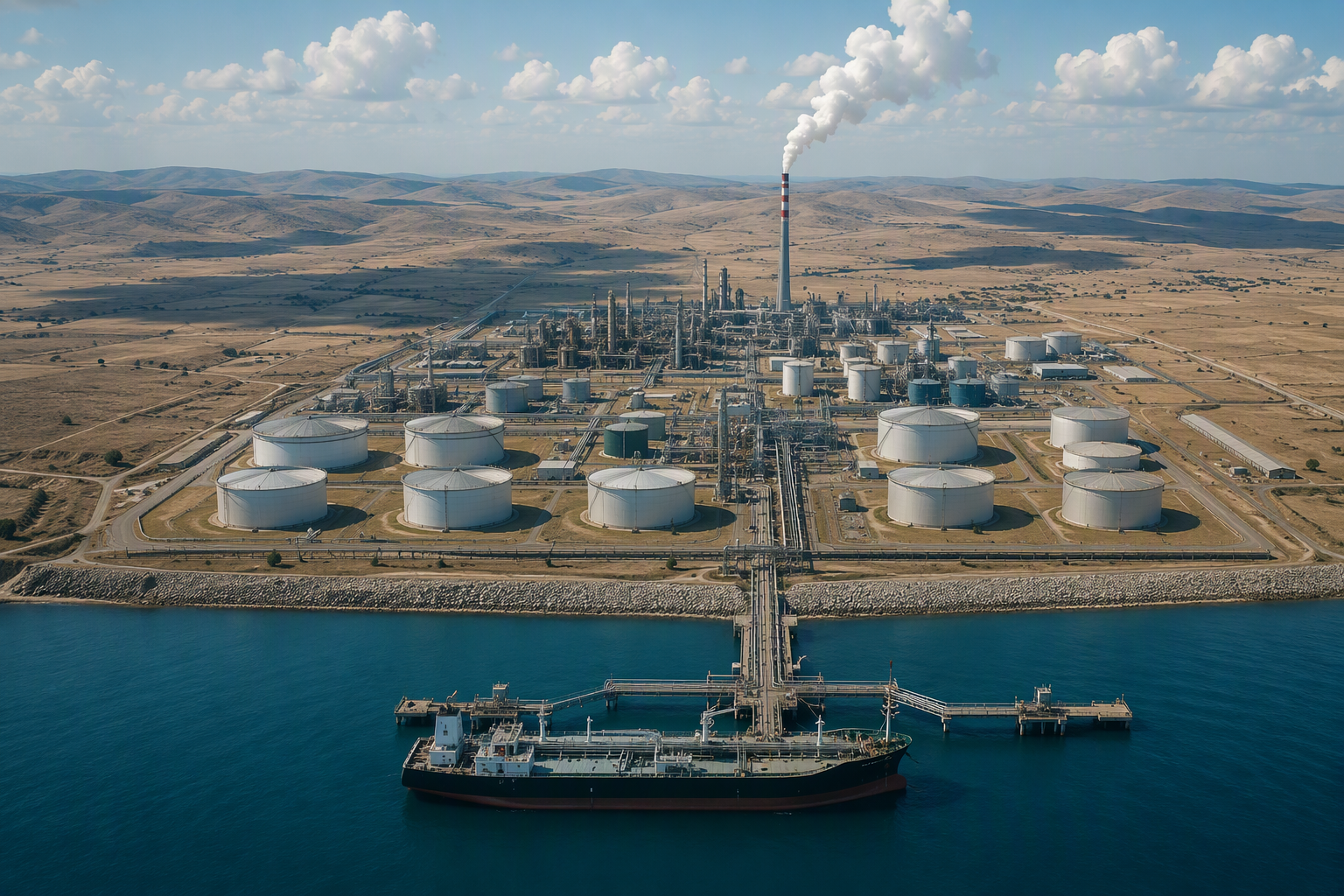
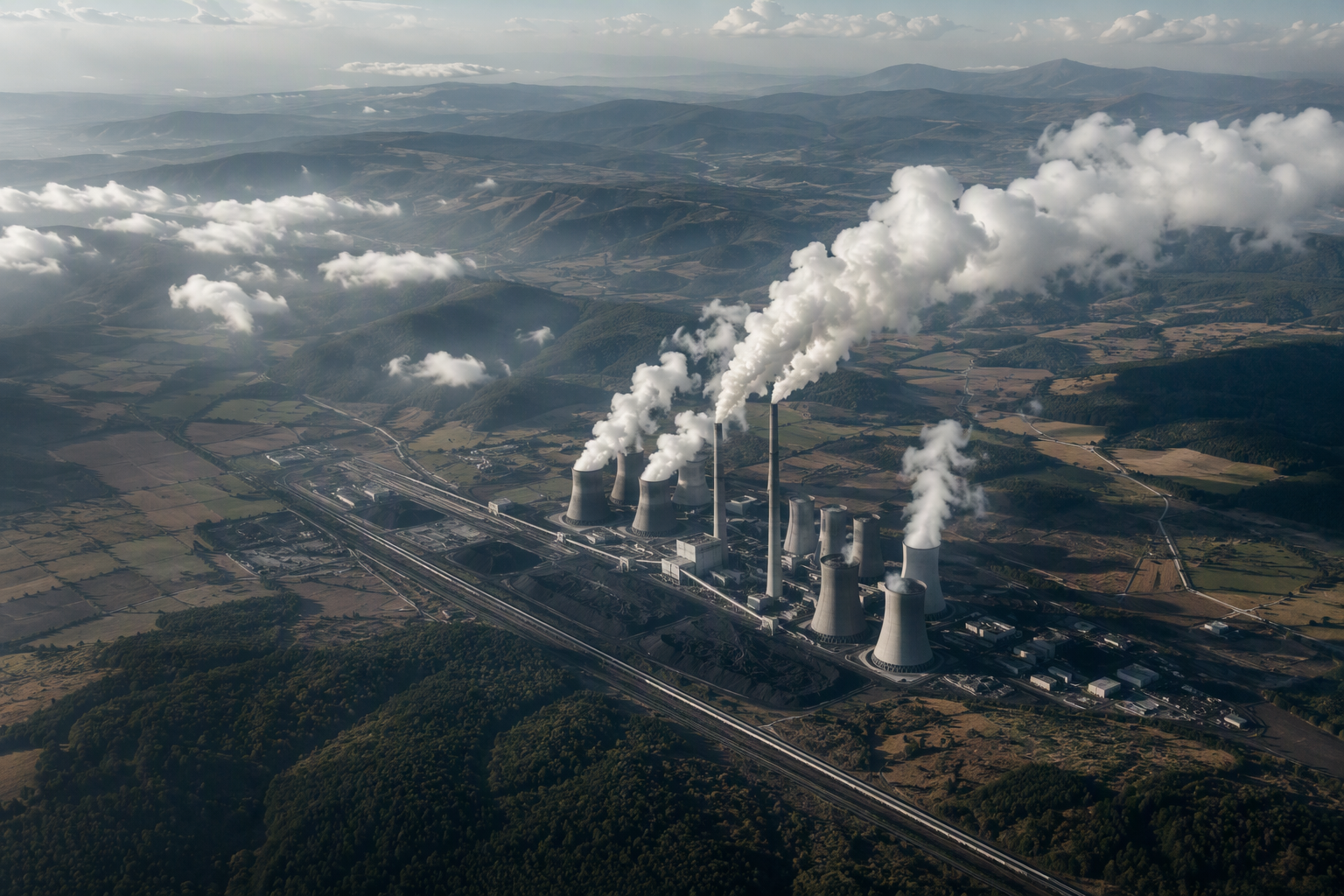
A report by the Centre for Research on Energy and Clean Air (CREA) and the Clean Air Right Platform estimates that fossil fuels produce 52% of Türkiye’s PM2.5 air pollution. It puts the resulting health-related economic burden at around $55 billion per year, equivalent to 4.1% of Türkiye’s 2024 gross domestic product.
The assessment associates pollution from coal, oil and gas with approximately 26,500 premature deaths annually in Türkiye. It estimates 8,100 deaths in Istanbul, 2,500 in Ankara and 2,400 in İzmir. The report includes deaths linked to cardiovascular and respiratory disease, lung cancer, stroke and diabetes.
It also estimates that PM2.5 pollution causes about 8.5 million days of sickness-related absence from work each year. The reported annual cost is roughly 2.5 times the 2024 budget of the Ministry of Health.
According to the assessment, emissions from land-based fossil-fuel sources in Türkiye also affect neighbouring countries. It estimates annual economic losses of $4.5 billion in Israel, $2.1 billion in Egypt, $1.5 billion in Greece, $800 million in Iraq and $200 million in Syria.
Why it matters
The findings frame fossil-fuel dependence as a health, labour and economic issue alongside an energy-security concern. Türkiye is heavily reliant on imported fossil fuels, leaving its energy bill exposed to international price movements. Turkish Statistical Institute data cited in the report show that the energy-import bill in August 2026 was 33.8% higher than in the same month a year earlier during the Hormuz crisis.
The report also highlights costs for carbon-intensive exporters. The European Union’s Carbon Border Adjustment Mechanism creates additional cost exposure for Turkish businesses in affected sectors, while fossil fuels remain the largest source of carbon emissions.
Background
Coal supplied 35% of Türkiye’s electricity generation in 2024 and gas supplied 19%, according to the report. In road transport, diesel represented 66% of energy consumption, LPG 17% and petrol 16%; electricity accounted for 0.2%. Fossil fuels made up about 60% of final energy use in industry.
The report was presented in Istanbul as Türkiye prepares to host COP31 in November.
What's next
The Clean Air Right Platform calls for a roadmap to reduce fossil-fuel use. It identifies ending approvals for new coal capacity, including proposed expansions at Afşin Elbistan A and Cenal, as an immediate step. It also calls for existing plants to close under plans that protect workers and affected communities.